EPISODE Highlights:
- We all see memes on the internet, and we’ve even said similar things here on Modern Mommy Doc, that tell us self-care isn’t selfish. But I feel like we need to be very clear on this subject. Are there forms of self-care that can be selfish? As a maternal and child public health expert, I have to say there absolutely are. A new study in 2021 showed us that moms with children under 5 saw alcohol consumption increase a startling 323% from 2020-2021. Granted, a lot of people drank more during the pandemic, but moms were the group that saw the biggest increase. This same group stated having more than 7 drinks in a week or 3 or more drinks at a time.
- So I wanted to dig into what could be behind this. Why is it a coping mechanism? The study gave a few reasons why we might have seen this stat. One was this social media trend of “mommy wine culture” that normalizes using alcohol to deal with parenting stress. The other was the accessibility to alcohol through delivery options like DoorDash and Post Mates and to-go options from restaurants.
- We have to start differentiating between coping in ways that will cause harm to us and our family and self-care. If you don’t have a problem with alcohol, having a drink at the end of the day can be harmless. Going out with a friend and having a glass of wine is just as simple. In the same way, it’s fine to take a trip away from your kids to be with your partner. But it gets excessive and points to a deeper issue when you need so much time away that being with your kids seems impossible. You cannot sustainably have a strong connection with them or speak into their lives when you’re never with them. Or if I choose to stay late one day a week at work so that I can make the most of the other time with my family, that’s great. But it’s when I’m constantly gone that becomes the problem.
- True self-care is about taking care of yourself in the most intimate ways and building connection with yourself to understand who you are. We are all interconnected with everything in this world. And the best way we can use our unique skills and talents that we were gifted with is to be as aware and connected with ourselves as possible. The best forms of self-care are the ways that allow you to do that.
- What does self-care look like that doesn’t cause collateral damage to you or your family? That could be incrementally taking 5 minutes in the car before you come into the house. Or going to a concert with a friend. Or buying store bought cookies for the bakesale instead of making them at home. It could be setting a boundary like not staying the entire time at a birthday party. Or giving a task to someone else. Or carving out some time just for yourself. Journaling. Practicing self-compassion when things are tough.
- What are the ways that you take care of yourself that don’t actually lead you to the outcome that you want and what are the ways that you cope that are actually supportive to you and others around you? Is it causing collateral damage because you’re doing that form of self-care in excess or is it the thing itself that needs to go?
- Let’s address the idea from memes that basically say “if you think you’re a shitty parent, you’re not.” It’s this blanket statement that lets you off the hook. If it talked about making mistakes and showing yourself grace, that’s a different story. No one wants to be a bad parent, but if you’re CONSISTENTLY showing up with your kids in a manner where you’re yelling at them, constantly short with them, or reactive instead of responsive – and that’s just your M.O. for months and years at a time – that’s going to cause collateral damage with your kids. So we have to think about the actual cause and effect of our actions and how we’re taking care of ourselves.
- There are things that are out of our control (systemic issues and injustices) but there are also things that are within our control. There are responsibilities that are ours to bear. No matter what the circumstances are, you’re at least able to be curious. You won’t automatically be a perfect parent. It’s a journey for everyone that requires a lot of grace. You can learn to be kind and aware enough of yourself and your circumstances to recognize that you do bear responsibility.
- So in light of the circumstances that you live within, what steps do you need to take to set yourself up for the most success possible while causing the least amount of damage to yourself and those around you? When you are curious enough, give yourself grace and time to know yourself better, and care for yourself in ways that have a lasting positive impact, there is change that’s possible. There is hope, it’s not all your fault, but there IS something you can do about it.

Kids going off to college are mean for a reason.

Maybe winning back to school isn't what we really want, after all.
First-class service has a lot to do with first-class parenting.
When you stop wasting time, you can start focusing on what matters most to you.
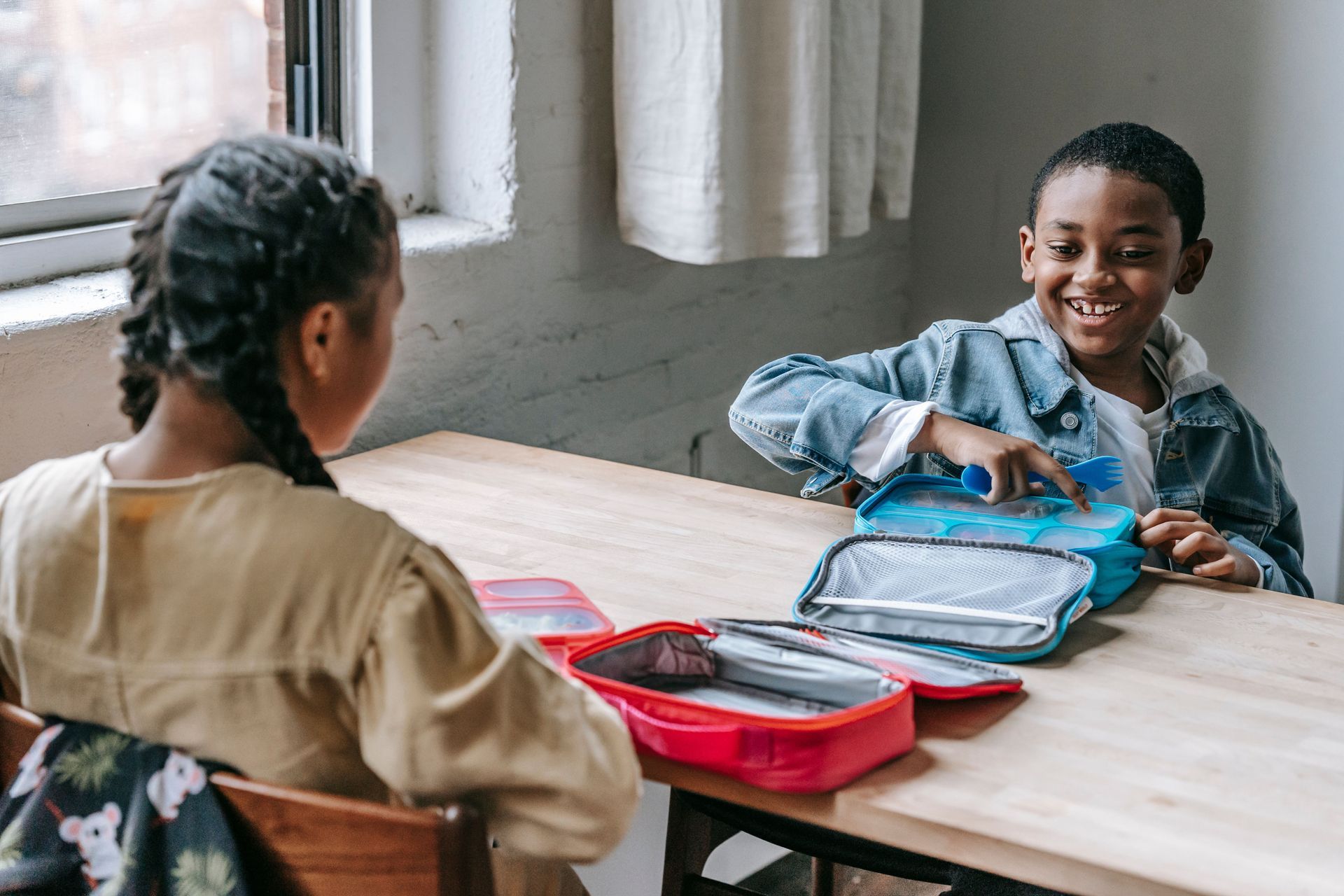
Making back-to-school meals a little easier