MMD BLOG


CATEGORY:

Dr. Whitney

THE PEDIATRICIAN-APPROVED BACKPACK EVERY PARENT SHOULD KNOW ABOUT

 Modern Mommy Doc


PUBLICATION DATE:

July 16, 2025

THE PEDIATRICIAN-APPROVED BACKPACK EVERY PARENT SHOULD KNOW ABOUT

 Modern Mommy Doc

CATEGORY: Dr. Whitney

When you’re deep in the chaos of back-to-school season—labeling folders, resetting bedtimes, praying that last year’s lunchbox doesn’t smell like mold—you’re probably not thinking much about backpacks. But here’s the thing: you should be.


Backpacks aren’t just a style choice or a place to stash snack wrappers. They’re something your kid uses every single day. And if they’re poorly designed or don’t fit well, they can seriously mess with your child’s body, especially their posture, alignment, and comfort.


I found that out the hard way with my own daughter last fall. One day after school, she came home and casually mentioned her shoulders were always sore. I realized she’d been hauling around what amounted to a small boulder in a backpack that hit mid-thigh. I’m a pediatrician. I should have noticed sooner. But like so many parents, I was focused on what was in the backpack, not how it was affecting her body. Cue the mom's guilt and a search for a better option.


That’s when I came across the Beckmann Active Air FLX Backpack. It’s not just cute (though yes, my daughter is obsessed with the Unicorn Princess design). It’s actually designed to support growing bodies.


Let’s break down why that matters.


Why Backpacks Aren’t Just Backpacks

Think about it: we wouldn’t send our kids to school with shoes that were too small or pants that cut off their circulation. But every fall, plenty of kids end up carrying 10 to 15 pounds of books, tech, and gear in a backpack that doesn’t fit their body, doesn’t distribute weight properly, and isn’t doing them any favors physically.

Here’s what can happen with an ill-fitting or overloaded backpack:

  • Shoulder and neck pain

  • Compressed posture

  • Muscle fatigue and tension

  • Spinal strain

  • Numbness or tingling in the arms or hands

  • Compensation patterns that affect how kids move—or even how they breathe


And no, it’s not just kids “being dramatic.” These are legit physical symptoms we see in real-life practice (and they’re often totally preventable with the right gear).


What to Look for in Any Backpack

Here’s what pediatricians (and parents) should prioritize when choosing a backpack:


✔️ Wide, padded shoulder straps – To distribute weight and prevent digging
✔️
Adjustable everything – So it fits your child’s body properly
✔️
Chest + hip straps – To improve posture and take pressure off the spine
✔️
Supportive back panel – Breathable and cushioned
✔️
Multiple compartments – To spread the load evenly
✔️
Compact shape – It shouldn’t hang more than a few inches below your child’s waist
✔️
Lightweight when empty – If it starts heavy, it only gets worse
✔️
Durable materials – So it actually lasts through a school year (or more)


Let your child try it on before committing, walk around in it, and practice packing it together. Teach them how to wear both straps (I know, the one-shoulder thing looks cool, but it’s an orthopedist’s nightmare in the making).


Why I Recommend the Beckmann Active Air FLX

The Beckmann Active Air FLX is one of the only backpacks I’ve found that actually checks all the boxes: comfort, structure, functionality, and sustainability.

Here’s what sets it apart:


  • Dynamic air-cushion support system: The back panel moves with your child’s body to reduce strain and improve posture. It molds to their shape and absorbs pressure in a way that feels almost like it’s custom-fitted.

  • Chest and hip straps: These help redistribute weight away from the shoulders so kids aren’t hunched forward by 10 a.m.

  • Expandable design: It grows with your child so you’re not buying a new one every year.

  • Laptop sleeve + waterproof compartment: Because real life includes soggy lunchboxes and tech that needs protecting.

  • Made from recycled materials: 100% of it. If you're trying to make more sustainable choices, this is a win.

  • Kid-approved designs: They have options that are playful without being flimsy. Your kid gets something they love and you get peace of mind.


Why This Isn’t Just Another Parenting Task

Look, I know what your to-do list looks like right now. I’m a mom, too. You’re making dentist appointments, setting up teacher meetings, trying to figure out what counts as a "nut-free" lunch snack. You don’t need another thing to manage.


But this one? It’s worth a little extra thought.


The right backpack can help your child feel more comfortable during the day, carry what they need with confidence, and avoid issues that crop up when we ignore the basics of body mechanics.

When we talk about setting our kids up for success, we usually focus on school supplies and routines. But how their body feels during the day matters just as much—maybe more. Because when your kid feels good physically, it’s easier for them to focus, stay active, and actually enjoy learning.


And if we can reduce back pain and early posture issues now, we’re setting them up for healthier habits long-term


Bottom line?

Backpacks aren’t just another school item. They’re a tool—and the right one can make a big difference in your kid’s day (and their body). That’s why the Beckmann Active Air FLX is on my short list of must-haves for the school year.


✨ You can check out the Beckmann Active Air FLX here

✨ And watch my Instagram Reel about it here 


#ad #beckmann #beckmannpartner
Raising Body-Confident Kids Starts at the Doctor's Office!

START NOW
By Modern Mommy Doc • October 9, 2026
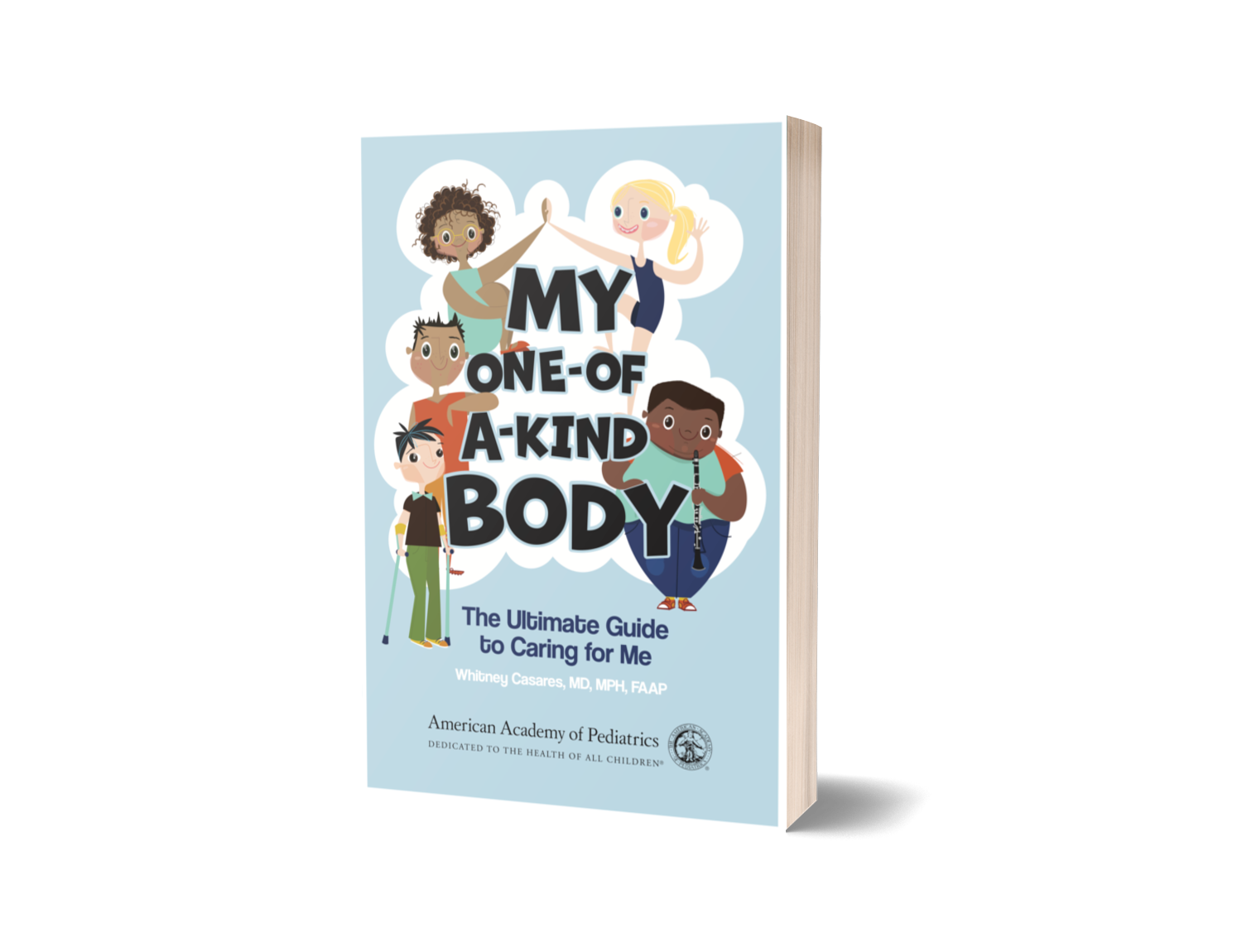
About the Episode: There’s so much parenting advice out there, and most of it doesn’t matter nearly as much as the internet wants you to think. (Seed oils? We have bigger fish to fry.) In this solo episode, Dr. Whitney gets back to basics and shares the six evidence-based parenting principles she focuses on as a pediatrician, the ones she dug into with a leading child development researcher. She also shares how these play out in real life as a mom of two neurodivergent kids, because guidance only helps if it actually fits your family. Key takeaways: Be sensitive and responsive. Simple practices like mirroring your child’s emotions and “serve and return” interactions build a loving, trusting foundation. Dr. Whitney shares how a Halloween decorating session turned into a deep conversation about religion once she slowed down and got curious. Meet kids where they are, especially at their worst. Drawing on Tina Payne Bryson, co-author of The Whole-Brain Child , Dr. Whitney explains that soothing a meltdown isn’t giving in. It’s letting your child know they’re not alone in a big feeling. Model self-regulation, and repair when you lose it. Self-regulation predicts academic success better than IQ. The goal isn’t staying calm all the time, it’s understanding why you got dysregulated, coming back to baseline, and offering yourself some self-compassion. Set limits for your kids and yourself. Every child’s needs are different (screen time affects Dr. Whitney’s two daughters very differently), but all kids need limits, and so do parents. Taking time for yourself models something healthy. Aim for authoritative, not permissive. High expectations paired with warmth and grace is the sweet spot. “Gentle parenting” can blur into permissiveness, which research shows is as harmful as authoritarian parenting. Protect unstructured time. Kids need boredom and free play to become self-directed. For ADHD and autistic kids, Dr. Whitney recommends offering a few options and letting kids choose. Support internal motivation. Using a “mirrors facing outward” image from her own therapist, Dr. Whitney explains why we want kids to trust their own instincts rather than constantly look outward for approval. Want to Start Raising Body-Confident Kids Today? 📘 Order the Books Raising Body-Confident Kids If you've ever caught yourself saying something to your kid about their body that sounded exactly like what your mother said to you, this book is for you. Raising Body-Confident Kids is a research-backed, judgment-free guide for parents who want to break the cycle of diet culture and body shame without swinging into toxic positivity or giving up all structure around food and movement. It answers the real questions parents are actually asking about Ozempic, about picky eaters, about what to say when your kid is being bullied for their body, and about social media influences. This is a practical, values-based game plan you can actually use, even if your own relationship with your body is still a work in progress. My One-of-a-Kind Body My One-of-a-Kind Body gives kids the language and understanding they need to care for their bodies with respect without fear, shame, or appearance-based messaging. Through inclusive illustrations and evidence-based health education, the book teaches body literacy, boundaries, and self-trust in a way kids can actually grasp. 👉 www.raisingbodyconfidentkids.com/books
By Modern Mommy Doc • October 5, 2026
What really matters when it comes to college admissions (for you and for them).
By Modern Mommy Doc • September 17, 2026
Kids going off to college are mean for a reason.
By Modern Mommy Doc • September 10, 2026
Maybe winning back to school isn't what we really want, after all.
By Modern Mommy Doc • August 27, 2026
First-class service has a lot to do with first-class parenting.

Welcome! Get the information you need to win at parenting without losing yourself.

LEARN MORE

My Kids' Book on Body Confidence


Trying to break the cycle of body shame and diet culture?


Overwhelmed by all the parenting advice out there?


SIGN UP FOR THE FREE STARTER KIT: UNBOTHERED. IT'S FREE. CLICK HERE


FRESH

ON THE PODCAST


By Modern Mommy Doc • October 9, 2026
About the Episode: There’s so much parenting advice out there, and most of it doesn’t matter nearly as much as the internet wants you to think. (Seed oils? We have bigger fish to fry.) In this solo episode, Dr. Whitney gets back to basics and shares the six evidence-based parenting principles she focuses on as a pediatrician, the ones she dug into with a leading child development researcher. She also shares how these play out in real life as a mom of two neurodivergent kids, because guidance only helps if it actually fits your family. Key takeaways: Be sensitive and responsive. Simple practices like mirroring your child’s emotions and “serve and return” interactions build a loving, trusting foundation. Dr. Whitney shares how a Halloween decorating session turned into a deep conversation about religion once she slowed down and got curious. Meet kids where they are, especially at their worst. Drawing on Tina Payne Bryson, co-author of The Whole-Brain Child , Dr. Whitney explains that soothing a meltdown isn’t giving in. It’s letting your child know they’re not alone in a big feeling. Model self-regulation, and repair when you lose it. Self-regulation predicts academic success better than IQ. The goal isn’t staying calm all the time, it’s understanding why you got dysregulated, coming back to baseline, and offering yourself some self-compassion. Set limits for your kids and yourself. Every child’s needs are different (screen time affects Dr. Whitney’s two daughters very differently), but all kids need limits, and so do parents. Taking time for yourself models something healthy. Aim for authoritative, not permissive. High expectations paired with warmth and grace is the sweet spot. “Gentle parenting” can blur into permissiveness, which research shows is as harmful as authoritarian parenting. Protect unstructured time. Kids need boredom and free play to become self-directed. For ADHD and autistic kids, Dr. Whitney recommends offering a few options and letting kids choose. Support internal motivation. Using a “mirrors facing outward” image from her own therapist, Dr. Whitney explains why we want kids to trust their own instincts rather than constantly look outward for approval. Want to Start Raising Body-Confident Kids Today? 📘 Order the Books Raising Body-Confident Kids If you've ever caught yourself saying something to your kid about their body that sounded exactly like what your mother said to you, this book is for you. Raising Body-Confident Kids is a research-backed, judgment-free guide for parents who want to break the cycle of diet culture and body shame without swinging into toxic positivity or giving up all structure around food and movement. It answers the real questions parents are actually asking about Ozempic, about picky eaters, about what to say when your kid is being bullied for their body, and about social media influences. This is a practical, values-based game plan you can actually use, even if your own relationship with your body is still a work in progress. My One-of-a-Kind Body My One-of-a-Kind Body gives kids the language and understanding they need to care for their bodies with respect without fear, shame, or appearance-based messaging. Through inclusive illustrations and evidence-based health education, the book teaches body literacy, boundaries, and self-trust in a way kids can actually grasp. 👉 www.raisingbodyconfidentkids.com/books
By Modern Mommy Doc • October 5, 2026
What really matters when it comes to college admissions (for you and for them).
By Modern Mommy Doc • September 17, 2026
Kids going off to college are mean for a reason.