MMD BLOG


CATEGORY:

BABIES + PARENTING HACKS

PARENTING TIPS | HOW TO BREEZE THROUGH YOUR BABY'S FIRST AIRPLANE TRIP

 Modern Mommy Doc


PUBLICATION DATE:

December 23, 2017

PARENTING TIPS | HOW TO BREEZE THROUGH YOUR BABY'S FIRST AIRPLANE TRIP

 Modern Mommy Doc

CATEGORY: BABIES + PARENTING HACKS

I’m covered in crumbs. Also, in milk, in about a tablespoon of applesauce and in sweat. That’s because I’ve been on an airplane wrangling my 17-month-old toddler and my four-year-old daughter for the last five hours. The four-year-old is doing just fine, actually. She’s getting a ton of screen time and I know I’ll pay the price later for the movie marathon we’ve allowed, but I’m okay with it given it’s a special circumstance. The toddler on the other hand? Well, it’s just a tough age (for help with toddler behavior and tantrums, click here for our free guide). Too old for cuddling and napping as we zoom through the sky, too young to hold her focus for any length of time. She’s in constant motion. If this plane does not speed up and get to our destination ahead of schedule, I may collapse in an exhausted heap.


Our trip (for which I am actually completely grateful - it’s a privilege to take my kids to a new place with new adventures) made me think about the first time I ever traveled with a child. It took me back to how I overpacked, how I overstressed and how I underappreciated how simple it could actually be. There are tons of parents who ask me in my office if I have any advice for the plane or the airport with a baby. Turns out, you can optimize your travel experience by taking these easy steps:


1. Carry As Little As Possible, Check the Rest


Know how, when you go through the airport, your carry-on luggage and personal item seem to somehow get heavier and heavier the further you walk? Multiply that times ten with a baby because you now have an extra PERSON you are lugging. There are obviously some items you have to bring with you - a small stack of diapers, wipes, a change of clothes, bottles if formula-feeding. But, the less stuff you have to lug through security, through the terminal or into the overhead bins, the better. Better to check it and forget it, in my book.


2. Don’t Spend Extra Time In the Airport, Except When Boarding The Plane


A lot of new parents think they should get to the airport super early if they are traveling with a baby or child. Usually, though, that just means extra chances for meltdowns (for your baby, not you) and germs. Obviously, give yourself enough time to make your plane, but don’t plan to linger excessively. On the other hand, when it’s time to board the plane, consider your unique situation. Airlines offer family boarding early on in the boarding process, which can be tempting. If you don’t have an assigned seat or you have carry-on luggage that demands overhead bin space, take full advantage of this perk. If you haven’t brought much with you, though, consider minimizing the amount of time you have to sit “trapped” in a small space with your infant.


3. Stay Away From Sick People


This is a hard one since, notoriously, airports and airplanes tend to be germ fests. The number one way to avoid a baby getting seriously ill from air travel? Don’t take them until after they are old enough to receive their first set of vaccines and are out of the highest infection risk zone (in our practice, we don’t give the first set of vaccines until at least six weeks old and recommend waiting a few weeks after vaccination for the shots to take effect before flying. I waited until about three months until flying with my first baby). Once you’re on your way, it pays off to wash your hands well with soap and water often and to keep your baby away from direct contact with sick people.


4. Give Baby Something to Suck On 


Once you depart on your flight, you'll want to help minimize discomfort in your baby’s ears, which can build as the pressure changes with altitude shifts. Giving baby something to suck on (a pacifier, a bottle or a breast) can really help. On the way up, it’s obvious when you need to pay attention to helping your little one with this but, on the way down, it’s easy to get the timing wrong. Instead of waiting for the flight staff to tell you you’ve started your descent, be observant. When you start to feel the plane descending, get your baby going on an ear pain prevention plan by initiating some type of sucking motion (note: if they are asleep, let them sleep).


5. Forget Over-Apologizing


So you have a baby on a plane? Oh, well. Tons of other passengers have been in your situation and we’re not irritated when we hear your baby cry. Those who are will have to just suffer through. If your baby wails the entire trip, it makes sense to at least acknowledge the patience and understanding of others around you. But those little gifts some propose to assuage your neighbors preventatively? Unless you have tons of free hours you would not rather spend doing ANYTHING else, I say forget it. You paid to be on the plane just like everyone else and you’re doing way more hard to work to make the trip successful than any of your seatmates.


In the end, traveling with a baby can actually be significantly easier than you first imagined. Hey, at least it’s not traveling with a toddler. Pack light, get the timing right and feel confident - you’ll be there in no time.



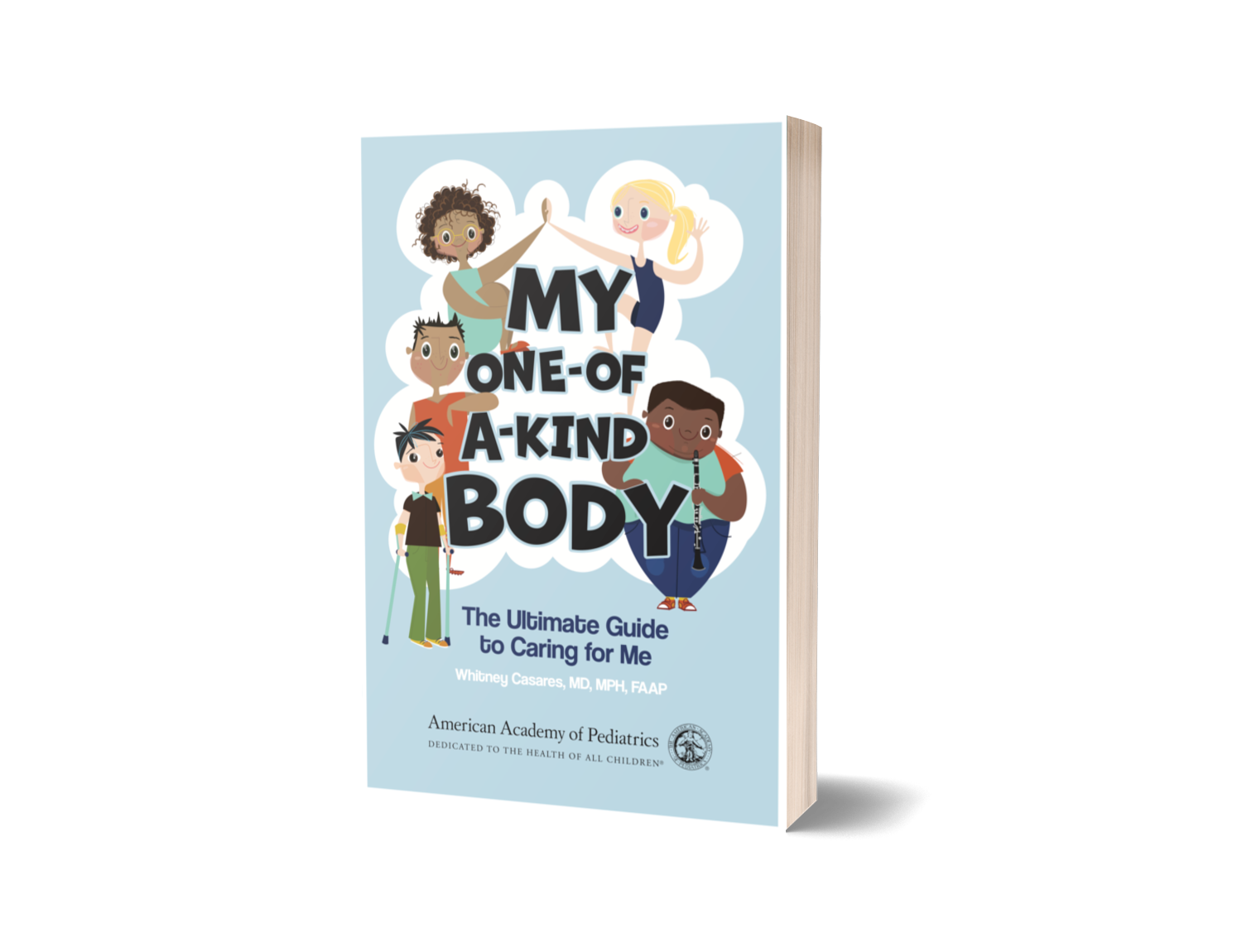
Raising Body-Confident Kids Starts at the Doctor's Office!

START NOW
By Dr. Whitney December 17, 2025
About the Episode: In this episode, Dr. Whitney sits down with Dr. Jay Gargus and Dave Justus from NeuroQure to discuss the power of early clarity when it comes to autism detection and why earlier intervention can fundamentally change outcomes for childre n and families. Dr. Gargus explains the science behind early behavioral therapies and why their impact goes far beyond short-term skill-building. Research shows that early, evidence-based interventions can lead to measurable, lifelong improvements in IQ, so cial skills, independence, and educational placement, often determining whether a child can thrive in mainstream education or requires ongoing specialized support. The conversation also tackles a critical and often overlooked issue: access. Dave Justus shares the personal motivation behind NeuroQure’s work and explains why the test is being launched at cost, with installment plans and employer subsidies, while the team works toward insurance coverage. The goal is to prevent families from losing precious years waiting for answers. Together, they emphasize a hopeful message for parents: families don’t need to wait for a future “silver bullet.” We already have therapies that work and getting kids connected to them earlier can change the course of a lifetime. In this episode, we discuss: Why early autism detection leads to lifelong changes—not just short-term gains What a 17-point IQ difference actually means for education, independence, and quality of life How early intervention can shift developmental trajectories as early as 6 months The science and validation behind current autism therapies Why NeuroQure is pricing testing at cost while pursuing insurance coverage How early clarity can reduce long-term strain on families, schools, and healthcare systems This episode is a powerful reminder that timing matters and that early access to answers can make an extraordinary difference for children and the families who love them. About Our Guest: Dr. Jay Gargus, MD, PhD is a physician-scientist and nationally recognized expert in neurodevelopmental disorders, with decades of experience researching the biological underpinnings of autism. His work has focused on translating well-established science into meaningful, real-world interventions that can improve lifelong outcomes for children. Dr. Gargus emphasizes that early, evidence-based therapies are already available—and that connecting families to them sooner can fundamentally change developmental trajectories. Dave Justus is a parent and the founder of NeuroQure, whose work is driven by personal experience navigating delayed autism diagnosis and intervention. Motivated by the belief that early clarity can spare families years of uncertainty, Dave is focused on expanding access to early testing through cost-based pricing and ongoing efforts to secure insurance coverage. His mission is simple but powerful: ensure families don’t have to wait for answers that could change everything. Want to Start Raising Body-Confident Kids Today? 📘 Order the Book Order your copy of My One-of-a-Kind Body 👉 www.raisingbodyconfidentkids.com/books 🎁 Claim Your Free Bonus When you order on our site, you’ll also get access to a FREE video mini-course with five bite-sized lessons for parents. In just 25 minutes, you’ll walk away with: Simple, script-style ways to respond when your kid says, “I hate my thighs” How to talk about health without weight talk What to do when your own inner critic shows up How to interrupt diet culture at home The first step to raising a body-confident kid, even if you didn’t grow up as one 📩 Subscribe to The Modern Mommy Doc Podcast for more episodes on parenting with confidence and clarity. Leave a review using the hashtag #ModernMommyDoc.
By Dr. Whitney November 13, 2025
Stop being so busy, and start being more present.
By Dr. Whitney November 5, 2025
Starting out right with solids doesn't have to be so scary.
By Dr. Whitney October 29, 2025
What if YOU are the one who needs to calm down first?

Welcome! Get the information you need to win at parenting without losing yourself.

LEARN MORE

My Kids' Book on Body Confidence is Finally Here!


Wish your partner would do more to lessen your mental load?


Want to make self-care a priority but not sure how to?


SIGN UP FOR SUSTAINABLE SELF-CARE. IT'S FREE. CLICK HERE


FRESH

ON THE PODCAST


By Dr. Whitney December 17, 2025
About the Episode: In this episode, Dr. Whitney sits down with Dr. Jay Gargus and Dave Justus from NeuroQure to discuss the power of early clarity when it comes to autism detection and why earlier intervention can fundamentally change outcomes for childre n and families. Dr. Gargus explains the science behind early behavioral therapies and why their impact goes far beyond short-term skill-building. Research shows that early, evidence-based interventions can lead to measurable, lifelong improvements in IQ, so cial skills, independence, and educational placement, often determining whether a child can thrive in mainstream education or requires ongoing specialized support. The conversation also tackles a critical and often overlooked issue: access. Dave Justus shares the personal motivation behind NeuroQure’s work and explains why the test is being launched at cost, with installment plans and employer subsidies, while the team works toward insurance coverage. The goal is to prevent families from losing precious years waiting for answers. Together, they emphasize a hopeful message for parents: families don’t need to wait for a future “silver bullet.” We already have therapies that work and getting kids connected to them earlier can change the course of a lifetime. In this episode, we discuss: Why early autism detection leads to lifelong changes—not just short-term gains What a 17-point IQ difference actually means for education, independence, and quality of life How early intervention can shift developmental trajectories as early as 6 months The science and validation behind current autism therapies Why NeuroQure is pricing testing at cost while pursuing insurance coverage How early clarity can reduce long-term strain on families, schools, and healthcare systems This episode is a powerful reminder that timing matters and that early access to answers can make an extraordinary difference for children and the families who love them. About Our Guest: Dr. Jay Gargus, MD, PhD is a physician-scientist and nationally recognized expert in neurodevelopmental disorders, with decades of experience researching the biological underpinnings of autism. His work has focused on translating well-established science into meaningful, real-world interventions that can improve lifelong outcomes for children. Dr. Gargus emphasizes that early, evidence-based therapies are already available—and that connecting families to them sooner can fundamentally change developmental trajectories. Dave Justus is a parent and the founder of NeuroQure, whose work is driven by personal experience navigating delayed autism diagnosis and intervention. Motivated by the belief that early clarity can spare families years of uncertainty, Dave is focused on expanding access to early testing through cost-based pricing and ongoing efforts to secure insurance coverage. His mission is simple but powerful: ensure families don’t have to wait for answers that could change everything. Want to Start Raising Body-Confident Kids Today? 📘 Order the Book Order your copy of My One-of-a-Kind Body 👉 www.raisingbodyconfidentkids.com/books 🎁 Claim Your Free Bonus When you order on our site, you’ll also get access to a FREE video mini-course with five bite-sized lessons for parents. In just 25 minutes, you’ll walk away with: Simple, script-style ways to respond when your kid says, “I hate my thighs” How to talk about health without weight talk What to do when your own inner critic shows up How to interrupt diet culture at home The first step to raising a body-confident kid, even if you didn’t grow up as one 📩 Subscribe to The Modern Mommy Doc Podcast for more episodes on parenting with confidence and clarity. Leave a review using the hashtag #ModernMommyDoc.
By Dr. Whitney November 13, 2025
Stop being so busy, and start being more present.