MMD BLOG


CATEGORY:

MAMA WELLNESS + TODDLERS

MOMMY GUILT | YEP, MAMA. YOU ARE THE PROBLEM...AND THE SOLUTION

 Modern Mommy Doc


PUBLICATION DATE:

December 23, 2017

MOMMY GUILT | YEP, MAMA. YOU ARE THE PROBLEM...AND THE SOLUTION

 Modern Mommy Doc

CATEGORY: MAMA WELLNESS + TODDLERS

“Well, she’s your daughter.”


I can’t count the number of times I’ve heard that before. It’s usually in reference to some sensitive, drama-queen episode my husband is watching my daughter work through with his eyes rolled so far back into his head they might very well get stuck there. It could be the household motto.


He’s right (and he doesn’t mean it disparagingly. He’s just calling it like it is).


She is so much like me. We’re both sensitive, we’re a bit anxious, and we’re definitely drama queens. Sometimes I feel like she is, in fact, me on steroids - uninhibited and uncensored. And it has been true since the beginning. She used to sob when we left her with a sitter – even if only for 15 minutes. She tells my spouse and I that we’re not being kind if we use a tone of voice that has a hint of irritation. She’s easily worried and easily offended.


But her struggles are also her strengths. With sensitivity and high emotions comes high levels of empathy. While she is intense and easily frustrated, she also has a huge heart. If there is no justice, she is crushed. If she senses sincere need, fear or pain in others, she is there to lend a hand.


“Maybe a hug would help,” she says to her friends or sister when they are teary or injured. "It will be ok. I’m right here.”


I’m all about trying to see the issues that challenge her as strengths (she’ll be the head of some world-saving, peace-making nonprofit when she grows up, no doubt) and psychological research strongly supports that approach.


But, when she’s having her most difficult, high-emotion times, it’s harder to focus on the positives. Instead, like a lot of moms I know, I go searching for reasons why my kids are the way they are. Often, that search leads me right back to myself and to a whole new level of mommy guilt.


I find myself forgetting that my children are a mix of genes (not just mine, my husband’s too!) and environment. That there are tons of individual temperament components that influence how she deals with and reacts to the stresses that come her way. That my own tendencies are not the only influence on how my child turns out. More importantly, I lose sight of the fact that those amazing, perceptive, emotionally in-tune parts of my child’s makeup are also an extension of my genetic attributes and that the fact we share some of those characteristics puts me in a unique position to empathize with and encourage her as she works through it all.


Even if they don’t verbally express it at each visit, this grating part of mommy (or daddy) guilt is underlying the questions of so many of the parents I come in contact with at my practice. It’s especially relevant when it comes to behavior and mental health issues, but it’s also there when it comes to all sorts of other health conditions. Obviously, the attention and the effort we put into our kids makes a difference, but, even if we try our bests to better ourselves and our kids, we have to remember it’s not all about us.


If you are feeling guilty that, by just being you, you are messing up your kid, take heart.


Yep, you are part of the problem...but you're also part of the solution. And you're just the mama your kid needs.



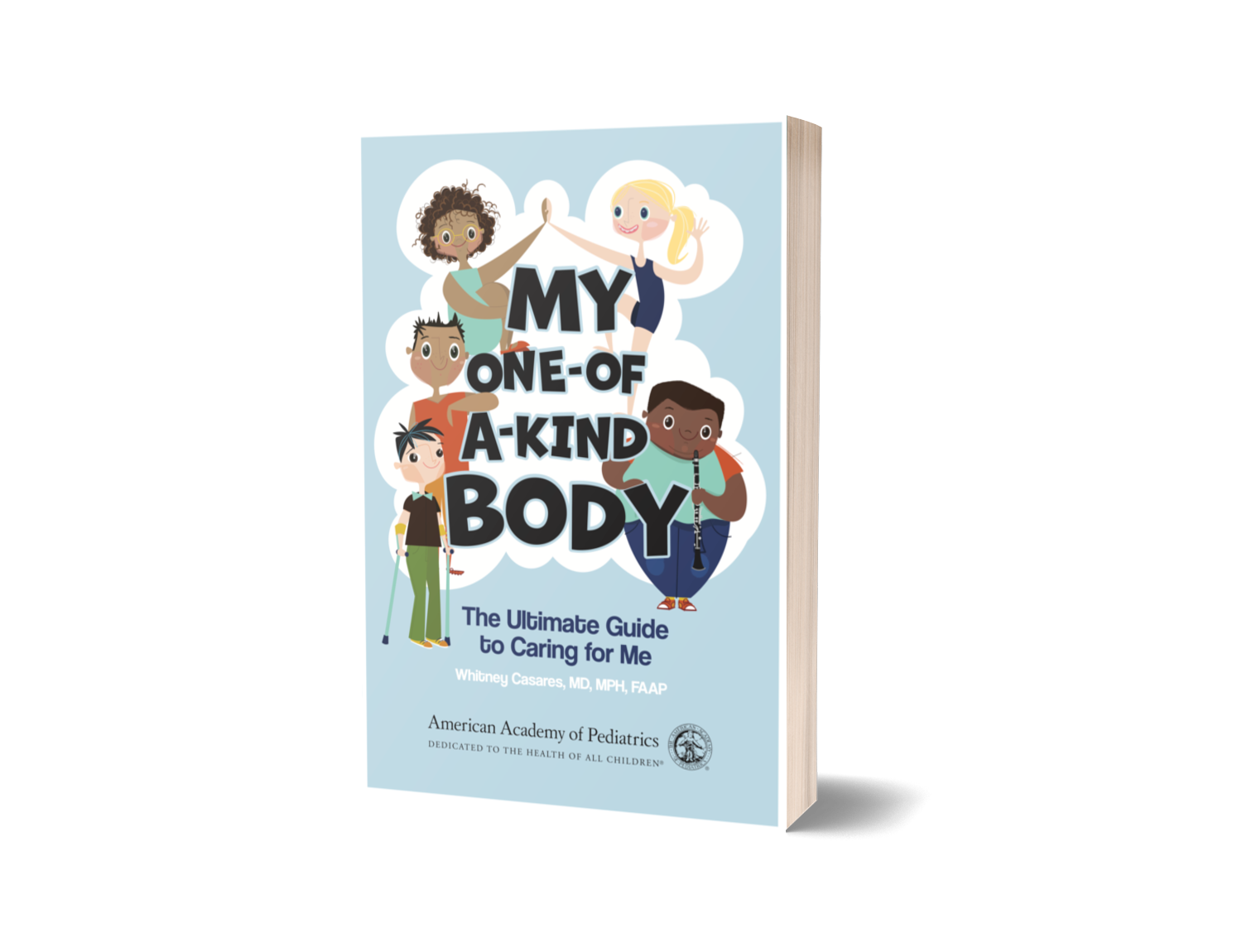
Raising Body-Confident Kids Starts at the Doctor's Office!

START NOW
By Dr. Whitney December 17, 2025
About the Episode: In this episode, Dr. Whitney sits down with Dr. Jay Gargus and Dave Justus from NeuroQure to discuss the power of early clarity when it comes to autism detection and why earlier intervention can fundamentally change outcomes for childre n and families. Dr. Gargus explains the science behind early behavioral therapies and why their impact goes far beyond short-term skill-building. Research shows that early, evidence-based interventions can lead to measurable, lifelong improvements in IQ, so cial skills, independence, and educational placement, often determining whether a child can thrive in mainstream education or requires ongoing specialized support. The conversation also tackles a critical and often overlooked issue: access. Dave Justus shares the personal motivation behind NeuroQure’s work and explains why the test is being launched at cost, with installment plans and employer subsidies, while the team works toward insurance coverage. The goal is to prevent families from losing precious years waiting for answers. Together, they emphasize a hopeful message for parents: families don’t need to wait for a future “silver bullet.” We already have therapies that work and getting kids connected to them earlier can change the course of a lifetime. In this episode, we discuss: Why early autism detection leads to lifelong changes—not just short-term gains What a 17-point IQ difference actually means for education, independence, and quality of life How early intervention can shift developmental trajectories as early as 6 months The science and validation behind current autism therapies Why NeuroQure is pricing testing at cost while pursuing insurance coverage How early clarity can reduce long-term strain on families, schools, and healthcare systems This episode is a powerful reminder that timing matters and that early access to answers can make an extraordinary difference for children and the families who love them. About Our Guest: Dr. Jay Gargus, MD, PhD is a physician-scientist and nationally recognized expert in neurodevelopmental disorders, with decades of experience researching the biological underpinnings of autism. His work has focused on translating well-established science into meaningful, real-world interventions that can improve lifelong outcomes for children. Dr. Gargus emphasizes that early, evidence-based therapies are already available—and that connecting families to them sooner can fundamentally change developmental trajectories. Dave Justus is a parent and the founder of NeuroQure, whose work is driven by personal experience navigating delayed autism diagnosis and intervention. Motivated by the belief that early clarity can spare families years of uncertainty, Dave is focused on expanding access to early testing through cost-based pricing and ongoing efforts to secure insurance coverage. His mission is simple but powerful: ensure families don’t have to wait for answers that could change everything. Want to Start Raising Body-Confident Kids Today? 📘 Order the Book Order your copy of My One-of-a-Kind Body 👉 www.raisingbodyconfidentkids.com/books 🎁 Claim Your Free Bonus When you order on our site, you’ll also get access to a FREE video mini-course with five bite-sized lessons for parents. In just 25 minutes, you’ll walk away with: Simple, script-style ways to respond when your kid says, “I hate my thighs” How to talk about health without weight talk What to do when your own inner critic shows up How to interrupt diet culture at home The first step to raising a body-confident kid, even if you didn’t grow up as one 📩 Subscribe to The Modern Mommy Doc Podcast for more episodes on parenting with confidence and clarity. Leave a review using the hashtag #ModernMommyDoc.
By Dr. Whitney November 13, 2025
Stop being so busy, and start being more present.
By Dr. Whitney November 5, 2025
Starting out right with solids doesn't have to be so scary.
By Dr. Whitney October 29, 2025
What if YOU are the one who needs to calm down first?

Welcome! Get the information you need to win at parenting without losing yourself.

LEARN MORE

My Kids' Book on Body Confidence is Finally Here!


Wish your partner would do more to lessen your mental load?


Want to make self-care a priority but not sure how to?


SIGN UP FOR SUSTAINABLE SELF-CARE. IT'S FREE. CLICK HERE


FRESH

ON THE PODCAST


By Dr. Whitney December 17, 2025
About the Episode: In this episode, Dr. Whitney sits down with Dr. Jay Gargus and Dave Justus from NeuroQure to discuss the power of early clarity when it comes to autism detection and why earlier intervention can fundamentally change outcomes for childre n and families. Dr. Gargus explains the science behind early behavioral therapies and why their impact goes far beyond short-term skill-building. Research shows that early, evidence-based interventions can lead to measurable, lifelong improvements in IQ, so cial skills, independence, and educational placement, often determining whether a child can thrive in mainstream education or requires ongoing specialized support. The conversation also tackles a critical and often overlooked issue: access. Dave Justus shares the personal motivation behind NeuroQure’s work and explains why the test is being launched at cost, with installment plans and employer subsidies, while the team works toward insurance coverage. The goal is to prevent families from losing precious years waiting for answers. Together, they emphasize a hopeful message for parents: families don’t need to wait for a future “silver bullet.” We already have therapies that work and getting kids connected to them earlier can change the course of a lifetime. In this episode, we discuss: Why early autism detection leads to lifelong changes—not just short-term gains What a 17-point IQ difference actually means for education, independence, and quality of life How early intervention can shift developmental trajectories as early as 6 months The science and validation behind current autism therapies Why NeuroQure is pricing testing at cost while pursuing insurance coverage How early clarity can reduce long-term strain on families, schools, and healthcare systems This episode is a powerful reminder that timing matters and that early access to answers can make an extraordinary difference for children and the families who love them. About Our Guest: Dr. Jay Gargus, MD, PhD is a physician-scientist and nationally recognized expert in neurodevelopmental disorders, with decades of experience researching the biological underpinnings of autism. His work has focused on translating well-established science into meaningful, real-world interventions that can improve lifelong outcomes for children. Dr. Gargus emphasizes that early, evidence-based therapies are already available—and that connecting families to them sooner can fundamentally change developmental trajectories. Dave Justus is a parent and the founder of NeuroQure, whose work is driven by personal experience navigating delayed autism diagnosis and intervention. Motivated by the belief that early clarity can spare families years of uncertainty, Dave is focused on expanding access to early testing through cost-based pricing and ongoing efforts to secure insurance coverage. His mission is simple but powerful: ensure families don’t have to wait for answers that could change everything. Want to Start Raising Body-Confident Kids Today? 📘 Order the Book Order your copy of My One-of-a-Kind Body 👉 www.raisingbodyconfidentkids.com/books 🎁 Claim Your Free Bonus When you order on our site, you’ll also get access to a FREE video mini-course with five bite-sized lessons for parents. In just 25 minutes, you’ll walk away with: Simple, script-style ways to respond when your kid says, “I hate my thighs” How to talk about health without weight talk What to do when your own inner critic shows up How to interrupt diet culture at home The first step to raising a body-confident kid, even if you didn’t grow up as one 📩 Subscribe to The Modern Mommy Doc Podcast for more episodes on parenting with confidence and clarity. Leave a review using the hashtag #ModernMommyDoc.
By Dr. Whitney November 13, 2025
Stop being so busy, and start being more present.