MMD BLOG


CATEGORY:

MAMA WELLNESS

WHY LEARNING HOW TO GO THROUGH AN EMOTION TO GET OVER IT HELPS YOU BE A BETTER PARENT

 Modern Mommy Doc


PUBLICATION DATE:

September 6, 2020

WHY LEARNING HOW TO GO THROUGH AN EMOTION TO GET OVER IT HELPS YOU BE A BETTER PARENT

 Modern Mommy Doc

CATEGORY: MAMA WELLNESS

It’s my husband’s 40th birthday and I really want it to be all about him. We’re living in The Land of Covid — you know: that desolate, dark place where milestone birthdays go to die— the one where no friends get to give you a real hug or drop by for a real beer. My husband, the ultimate “life of the party” and the ultimate friend, is stuck just with me for his party this time around. 


He’s not pouting on the outside but I can tell he’s just plain disappointed. Some of his friends had pretty epic parties as they entered their fourth decade and, while he doesn’t need all that, he’d love to be hanging with his best buds instead of in a party of two. 


“I’m sorry, babe,” I say as he leaves for work in the morning without a lick of enthusiasm. 


I try to make things extra special to compensate for the weird times we’re living in. I’ve planned for a special Spanish restaurant meal to be delivered right at 8:30 p.m. when I know the kids will be asleep. Four of his besties and their wives are planning on meeting us on Zoom to watch a slideshow I threw together (No, wait, stop. Actually it took me 12 stinkin’ hours to put it together but I’m pretty sure it’s just because I’m not lacking in some technological skills).


I got a former Red Sox player to send him a special birthday wish video. I’m trying. 


8:10 p.m. : The kids are suddenly energizer bunnies and it looks like sleep is the furthest thing from their minds.


8:15 p.m.: The food delivery service says they’ll be 20 minutes late.


8:31 p.m.: My computer is on the fritz. No one can get into the Zoom Meeting.


8:35 p.m.: Food Delivery Notification: “Your Order Has Been Cancelled.”


8:36 p.m.: My husband to me, “It’s all fine. Who cares? Yeah, sure it’s disappointing but at least it’s a story.”


9:15 p.m.: Replacement Italian food delivered (and cold). 


9:20 p.m.: Second Italian food order delivered (I somehow ordered twice?!?!)


9:30 p.m.: Tears from me at how terribly wrong this birthday has gone, on the couch, having a very weird birthday celebration. I’m done trying to put on a really happy face in a moment when I feel genuine frustration but it feels selfish on someone else’s birthday to show it. 


9:31: I let it all out and now I’m good. We’re laughing at the plethora of pasta we’ll have this week in the fridge and at how NOTHING in our lives looks the same as it did last year (for the better in some areas and for worse in many others). 


We all face disappointment and discouragement. We all feel sad, get frustrated, and want to just straight up cry from time to time. So do our kids.


And the cool thing is, when we learn how to move through our emotions in a healthy way, instead of stuffing them down or trying to grit our teeth through them, we teach our kids to do the same. 


In pediatrics we talk about the idea of The Whole Brain Child, an amazing book you should absolutely read if you haven’t already. The basic concept is that we all have a more primitive, emotional part of our brain in what’s called the amygdala, and a more logical, practical part that, anatomically, sits on top and acts as a sort of lid on those emotions. Our kids tend to “flip their lids” easily when they’re upset, but as adults we sometimes do this, too. Think about the times you’ve been cut off in traffic and you suddenly find yourself trying not to bang the steering wheel or scream at a perfect stranger. 


When it comes to parenting, our job is help kids learn a healthy way to deal with emotions so that lid doesn’t get flipped as often and, in my pediatrics office, we typically talk about emotion-coaching our children as a way to “burp the lid” over time so it doesn’t need to have an explosive opening each time something doesn’t go our child’s way. 


As adults, though, how do we burp our own lids and set an example for our kids to do the same?


We take care of ourselves by getting sleep, exercise, and time to ourselves so we’re able to ride the waves of life more easily, no matter what comes our ways. Listen, Mama. These are the facts: if you are sleep-deprived and your body has not been in motion for weeks, you WILL be more likely to lose it in general. We take a stance that we’re ok with not always being ok. We articulate our feelings, our wants, and our desires clearly. We allow our emotions to come out again and again, slowly over time, so they don’t boil over unexpectedly. 


It's okay to feel anxiety, feel a bit scared, and have worries - ESPECIALLY right now with COVID-19, back to school (or whatever it is we’re calling this fall’s distance learning plans), and our new work normals. 


Identifying emotions (good AND more importantly, bad) is a critical component to resilience and building it. It also helps us work through bad things and times. Our children are sponges and the product of what they see on a day to day basis. If we want them to grow up where they can have vulnerable moments with their partners and friends, let's show them and teach them! 


What do you do to help your kids be able to work through challenging times? How do you set up an excellent example for your kids to learn from when dealing with emotions?



Raising Body-Confident Kids Starts at the Doctor's Office!

START NOW
By Dr. Whitney December 17, 2025
About the Episode: In this episode, Dr. Whitney sits down with Dr. Jay Gargus and Dave Justus from NeuroQure to discuss the power of early clarity when it comes to autism detection and why earlier intervention can fundamentally change outcomes for childre n and families. Dr. Gargus explains the science behind early behavioral therapies and why their impact goes far beyond short-term skill-building. Research shows that early, evidence-based interventions can lead to measurable, lifelong improvements in IQ, so cial skills, independence, and educational placement, often determining whether a child can thrive in mainstream education or requires ongoing specialized support. The conversation also tackles a critical and often overlooked issue: access. Dave Justus shares the personal motivation behind NeuroQure’s work and explains why the test is being launched at cost, with installment plans and employer subsidies, while the team works toward insurance coverage. The goal is to prevent families from losing precious years waiting for answers. Together, they emphasize a hopeful message for parents: families don’t need to wait for a future “silver bullet.” We already have therapies that work and getting kids connected to them earlier can change the course of a lifetime. In this episode, we discuss: Why early autism detection leads to lifelong changes—not just short-term gains What a 17-point IQ difference actually means for education, independence, and quality of life How early intervention can shift developmental trajectories as early as 6 months The science and validation behind current autism therapies Why NeuroQure is pricing testing at cost while pursuing insurance coverage How early clarity can reduce long-term strain on families, schools, and healthcare systems This episode is a powerful reminder that timing matters and that early access to answers can make an extraordinary difference for children and the families who love them. About Our Guest: Dr. Jay Gargus, MD, PhD is a physician-scientist and nationally recognized expert in neurodevelopmental disorders, with decades of experience researching the biological underpinnings of autism. His work has focused on translating well-established science into meaningful, real-world interventions that can improve lifelong outcomes for children. Dr. Gargus emphasizes that early, evidence-based therapies are already available—and that connecting families to them sooner can fundamentally change developmental trajectories. Dave Justus is a parent and the founder of NeuroQure, whose work is driven by personal experience navigating delayed autism diagnosis and intervention. Motivated by the belief that early clarity can spare families years of uncertainty, Dave is focused on expanding access to early testing through cost-based pricing and ongoing efforts to secure insurance coverage. His mission is simple but powerful: ensure families don’t have to wait for answers that could change everything. Want to Start Raising Body-Confident Kids Today? 📘 Order the Book Order your copy of My One-of-a-Kind Body 👉 www.raisingbodyconfidentkids.com/books 🎁 Claim Your Free Bonus When you order on our site, you’ll also get access to a FREE video mini-course with five bite-sized lessons for parents. In just 25 minutes, you’ll walk away with: Simple, script-style ways to respond when your kid says, “I hate my thighs” How to talk about health without weight talk What to do when your own inner critic shows up How to interrupt diet culture at home The first step to raising a body-confident kid, even if you didn’t grow up as one 📩 Subscribe to The Modern Mommy Doc Podcast for more episodes on parenting with confidence and clarity. Leave a review using the hashtag #ModernMommyDoc.
By Dr. Whitney November 13, 2025
Stop being so busy, and start being more present.
By Dr. Whitney November 5, 2025
Starting out right with solids doesn't have to be so scary.
By Dr. Whitney October 29, 2025
What if YOU are the one who needs to calm down first?

Welcome! Get the information you need to win at parenting without losing yourself.

LEARN MORE

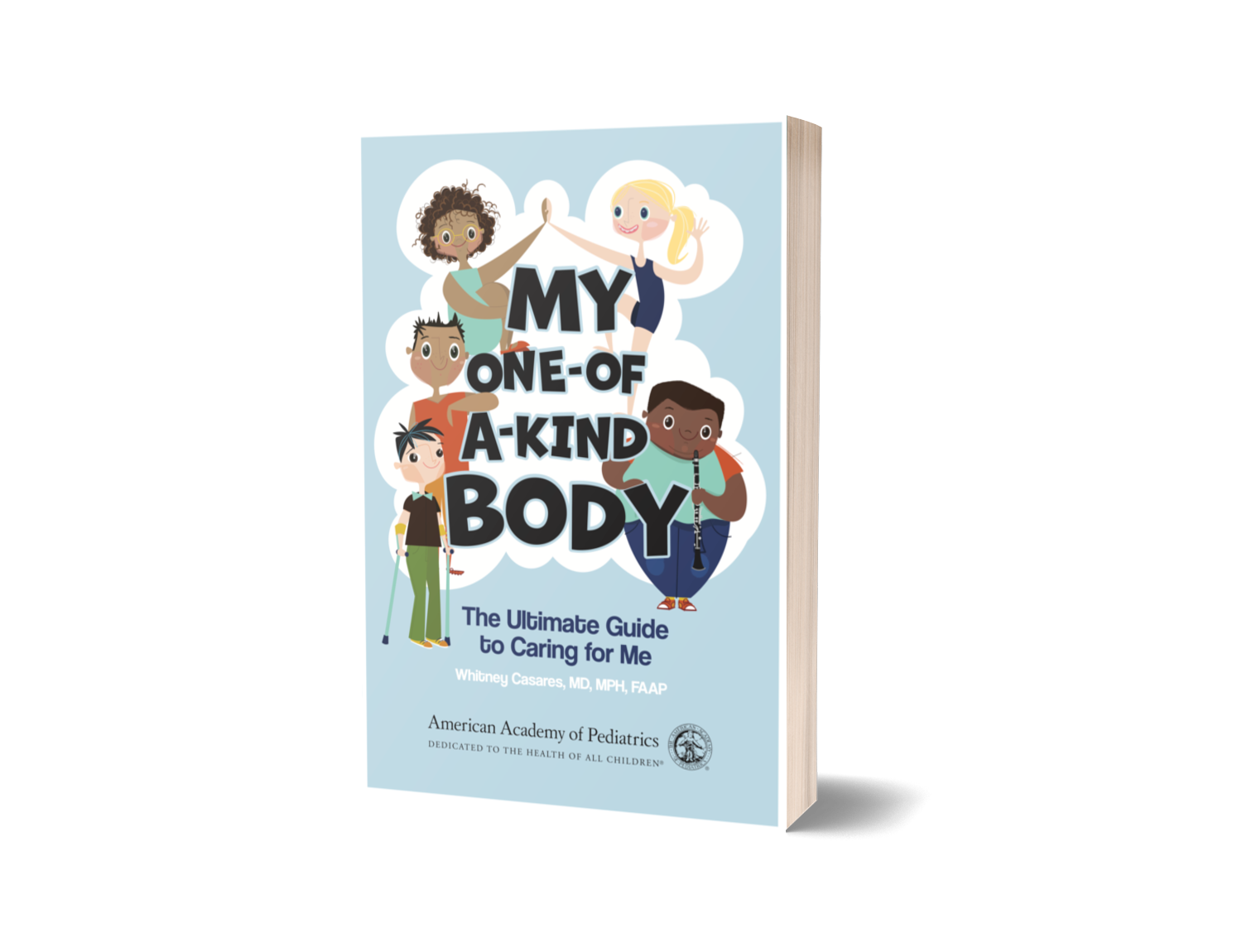
My Kids' Book on Body Confidence is Finally Here!


Wish your partner would do more to lessen your mental load?


Want to make self-care a priority but not sure how to?


SIGN UP FOR SUSTAINABLE SELF-CARE. IT'S FREE. CLICK HERE


FRESH

ON THE PODCAST


By Dr. Whitney December 17, 2025
About the Episode: In this episode, Dr. Whitney sits down with Dr. Jay Gargus and Dave Justus from NeuroQure to discuss the power of early clarity when it comes to autism detection and why earlier intervention can fundamentally change outcomes for childre n and families. Dr. Gargus explains the science behind early behavioral therapies and why their impact goes far beyond short-term skill-building. Research shows that early, evidence-based interventions can lead to measurable, lifelong improvements in IQ, so cial skills, independence, and educational placement, often determining whether a child can thrive in mainstream education or requires ongoing specialized support. The conversation also tackles a critical and often overlooked issue: access. Dave Justus shares the personal motivation behind NeuroQure’s work and explains why the test is being launched at cost, with installment plans and employer subsidies, while the team works toward insurance coverage. The goal is to prevent families from losing precious years waiting for answers. Together, they emphasize a hopeful message for parents: families don’t need to wait for a future “silver bullet.” We already have therapies that work and getting kids connected to them earlier can change the course of a lifetime. In this episode, we discuss: Why early autism detection leads to lifelong changes—not just short-term gains What a 17-point IQ difference actually means for education, independence, and quality of life How early intervention can shift developmental trajectories as early as 6 months The science and validation behind current autism therapies Why NeuroQure is pricing testing at cost while pursuing insurance coverage How early clarity can reduce long-term strain on families, schools, and healthcare systems This episode is a powerful reminder that timing matters and that early access to answers can make an extraordinary difference for children and the families who love them. About Our Guest: Dr. Jay Gargus, MD, PhD is a physician-scientist and nationally recognized expert in neurodevelopmental disorders, with decades of experience researching the biological underpinnings of autism. His work has focused on translating well-established science into meaningful, real-world interventions that can improve lifelong outcomes for children. Dr. Gargus emphasizes that early, evidence-based therapies are already available—and that connecting families to them sooner can fundamentally change developmental trajectories. Dave Justus is a parent and the founder of NeuroQure, whose work is driven by personal experience navigating delayed autism diagnosis and intervention. Motivated by the belief that early clarity can spare families years of uncertainty, Dave is focused on expanding access to early testing through cost-based pricing and ongoing efforts to secure insurance coverage. His mission is simple but powerful: ensure families don’t have to wait for answers that could change everything. Want to Start Raising Body-Confident Kids Today? 📘 Order the Book Order your copy of My One-of-a-Kind Body 👉 www.raisingbodyconfidentkids.com/books 🎁 Claim Your Free Bonus When you order on our site, you’ll also get access to a FREE video mini-course with five bite-sized lessons for parents. In just 25 minutes, you’ll walk away with: Simple, script-style ways to respond when your kid says, “I hate my thighs” How to talk about health without weight talk What to do when your own inner critic shows up How to interrupt diet culture at home The first step to raising a body-confident kid, even if you didn’t grow up as one 📩 Subscribe to The Modern Mommy Doc Podcast for more episodes on parenting with confidence and clarity. Leave a review using the hashtag #ModernMommyDoc.
By Dr. Whitney November 13, 2025
Stop being so busy, and start being more present.