MMD BLOG


CATEGORY:

MAMA WELLNESS + PERSPECTIVE

WHY AMERICAN MOMS NEED TO STOP BLAMING THEMSELVES

 Modern Mommy Doc


PUBLICATION DATE:

May 3, 2021

WHY AMERICAN MOMS NEED TO STOP BLAMING THEMSELVES

 Modern Mommy Doc

CATEGORY: MAMA WELLNESS + PERSPECTIVE

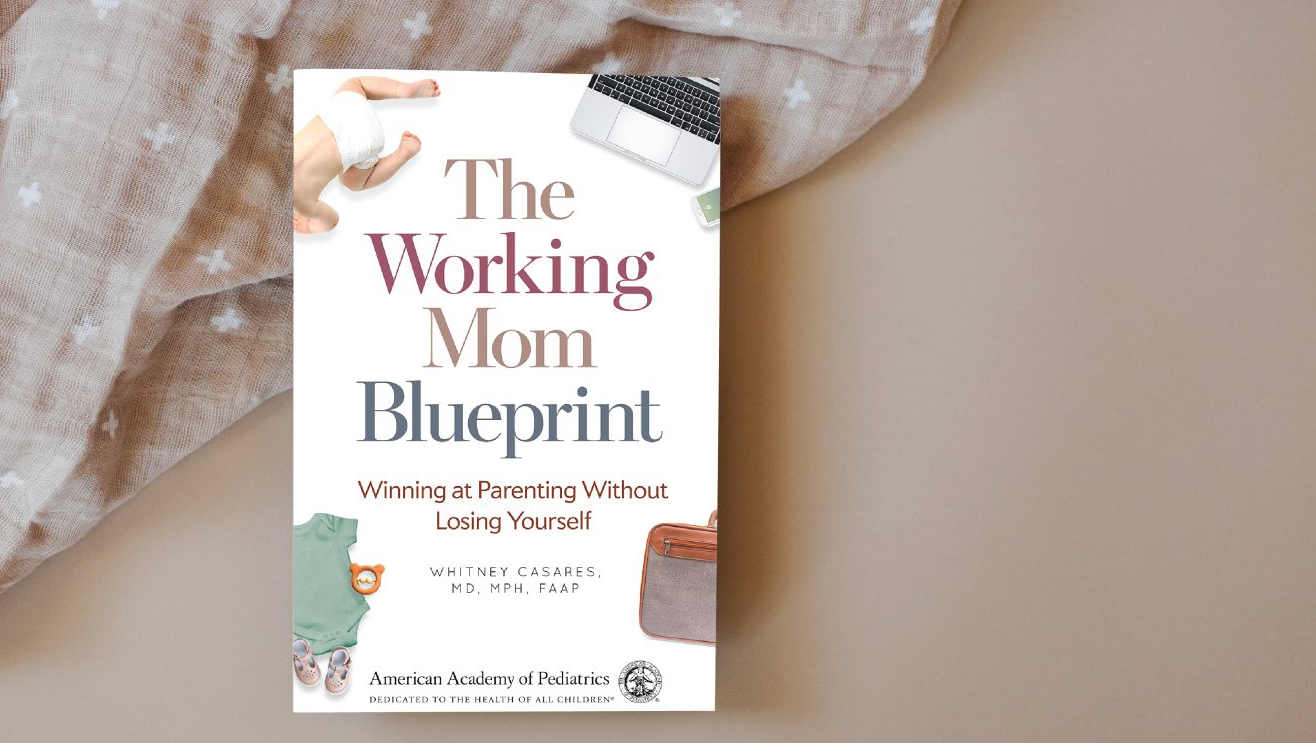
When was the last time you actually took a day off—not just from work, but from everything that is weighing on you, like the laundry items on your to-do list (which probably includes laundry), all of the stress and the chaos, and the overwhelming feeling of walking in the opposite direction on a treadmill going way too fast? Like Dr. Whitney puts it in her newest book which comes out May 11, The Working Mom Blueprint: Winning at Parenting Without Losing Yourself: “It’s technically my day off today, but it sure feels like my day on.”


This is the predicament so many of us fall into—and it’s certainly no surprise considering how many things we’re tirelessly trying to balance all at once: raising little humans, working full-time, taking care of a household, maintaining a thriving romantic relationship, etc., all while attempting to care for ourselves while we’re at it. Our newly defined “Modern Motherhood” has become a rather unattainable uphill battle at best. We’re being led to believe that doing it all
is possible, when the reality is that it most certainly is not, especially if we’re being encouraged to keep our sanity intact. 


In Dr. Whitney’s new book, she shares an excerpt from sociologist Caitlyn Collins, author of Making Motherhood Work: How Women Manage Careers and Caregiving, who discovered in her research that American moms seem to have it the worst when it comes to trying to balance work-family conflicts. She found that American moms see it all as their fault—as a personal problem—when, in reality, structural problems and cultural norms are to blame. 


“I want American moms to stop blaming themselves. I want American mothers to stop thinking that somehow their  conflict is their own fault, and that if they tried a little harder, got a new schedule, woke up a little earlier every morning, using the right planner or the right app, that they could somehow figure out the key to managing their stress. That’s just not the case.”


As it turns out, working harder at mothering, and “doing it all” is overrated and exhausting. It burns us out, making us anxious, frazzled, and resentful. As Dr. Whitney shares, “You can’t do everything if you want to do anything well—there are trade-offs and benefits to every decision that you make and you’ll have to make some tough decisions as a working mom about your priorities if you want to actually enjoy anything.”


It’s becoming increasingly clear that it’s not American moms who need to change, or who need to do more, but rather it’s a system failure. The U.S.'s narrative needs to change, and perhaps the immense burnout brought on by the burden of a pandemic and the lack of infrastructure in place to help parents through this dark and difficult time put an even greater spotlight on this.


The message that’s being sent for moms to do more needs to be repositioned entirely and that’s what you’ll learn in
The Working Mom Blueprint: how to approach motherhood with perspective and intention and how to make room for the most important things in life—the things that make you you, for the things that give you joy.


So how do we balance our home and work lives? 


One constant that’s not going to change is that there are 24 hours in a day. So how do we establish a work and at-home routine that allows us to get what we need to get done while still being present and experiencing joy in our day-to-day life? Here are some of the tips Dr. Whitney shares in The Working Mom Blueprint: 


1) Decide how far you want to lean in.


Sheryl Sandberg gave all moms hope and inspiration when she encouraged us to “lean in,” but just how far should we lean in before our balance feels off kilter? Perhaps having a perfectly balanced work and home life doesn’t exist. “No you cannot have it all, but you can have more than you ever thought possible if you intentionally choose to live your life on the basis of what’s most important to you and according to what you value most,” Dr. Whitney says in The Working Mom Blueprint


2) Ask for alternative schedules.


Can your work schedule give and take even a little bit to better accommodate your at-home life? What about starting 1 hour later and ending 1 hour later—or starting 1 hour earlier and ending one hour earlier. Maybe this way you can have that 5:30 PM family dinner you struggled to put on the table prior. 


3) Say no—protect the time you have.


So many of us are “yes” people. We want to be everything to everyone and do everything for everyone. But is that even possible? Hardly. Make your choices wisely and in the favor of what works best for you and your family. 


When asked if you could start a movement or make a change for workings moms what would it be? As Dr. Whitney shares,


“My dream is for women to have support from their employers to lean in and out when they want to (and need to) from their professional endeavors and from their commitments at home. Workplace policies, paid parental leave for both moms and dads, and a culture shift toward seeing working mom professionals through a whole-person lens is what we need to make  modern motherhood more manageable."


What do you think needs to change in our society to help working moms thrive and feel more supported?


Blog Response - American Moms + Support
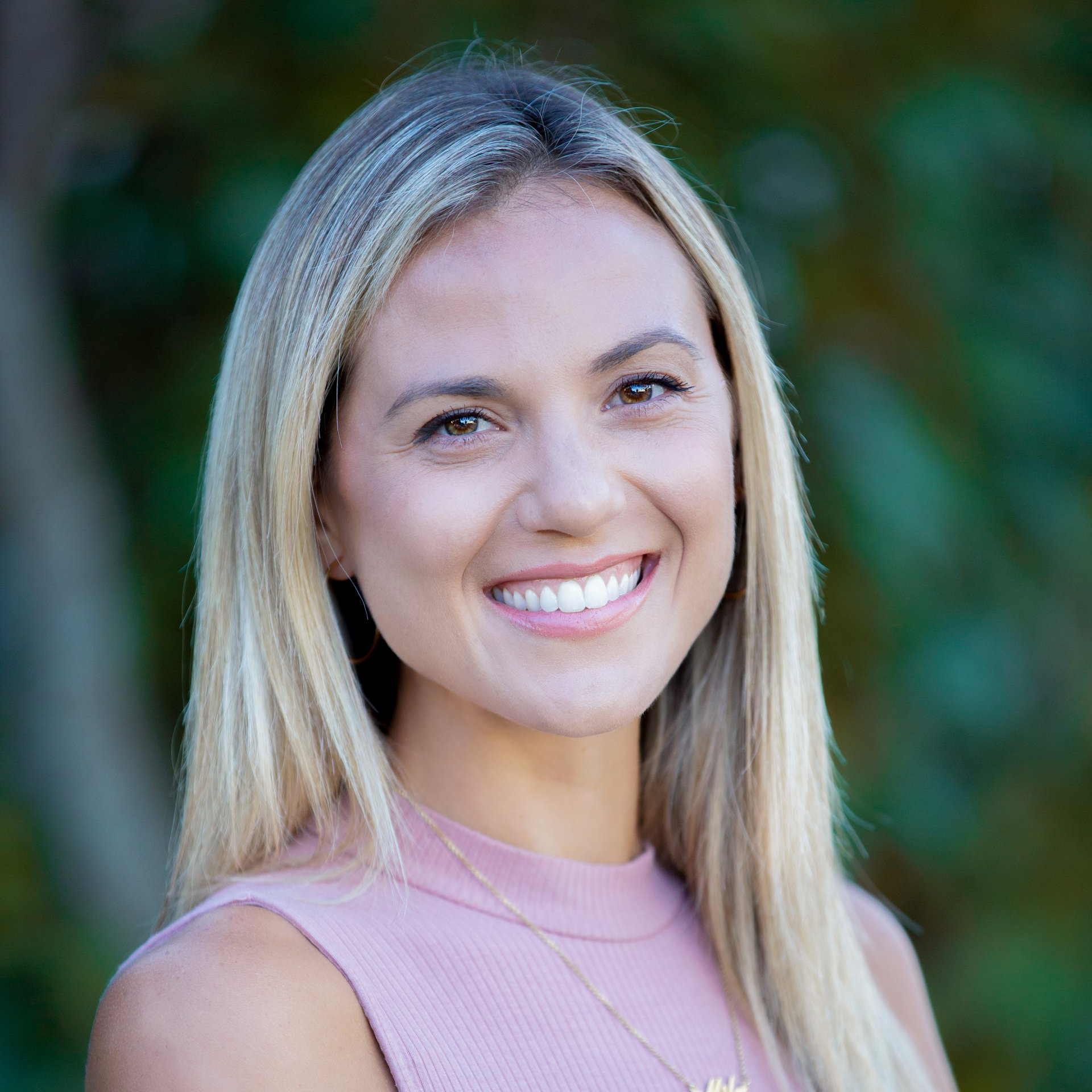
Written by Jenn Sinrich

Jenn Sinrich is a freelance editor, writer and content strategist located in Boston, Massachusetts. She received her BA in journalism from Northeastern University and has a decade worth of experience working for a myriad of female-focused publications including SELF, Parents, Women's Health, BRIDES, Martha Stewart Weddings and more. When she's not putting pen to paper (or, really, fingers to keyboard), she's enjoying the most precious moments in life with her husband and daughter.


Raising Body-Confident Kids Starts at the Doctor's Office!

START NOW
By Dr. Whitney December 17, 2025
About the Episode: In this episode, Dr. Whitney sits down with Dr. Jay Gargus and Dave Justus from NeuroQure to discuss the power of early clarity when it comes to autism detection and why earlier intervention can fundamentally change outcomes for childre n and families. Dr. Gargus explains the science behind early behavioral therapies and why their impact goes far beyond short-term skill-building. Research shows that early, evidence-based interventions can lead to measurable, lifelong improvements in IQ, so cial skills, independence, and educational placement, often determining whether a child can thrive in mainstream education or requires ongoing specialized support. The conversation also tackles a critical and often overlooked issue: access. Dave Justus shares the personal motivation behind NeuroQure’s work and explains why the test is being launched at cost, with installment plans and employer subsidies, while the team works toward insurance coverage. The goal is to prevent families from losing precious years waiting for answers. Together, they emphasize a hopeful message for parents: families don’t need to wait for a future “silver bullet.” We already have therapies that work and getting kids connected to them earlier can change the course of a lifetime. In this episode, we discuss: Why early autism detection leads to lifelong changes—not just short-term gains What a 17-point IQ difference actually means for education, independence, and quality of life How early intervention can shift developmental trajectories as early as 6 months The science and validation behind current autism therapies Why NeuroQure is pricing testing at cost while pursuing insurance coverage How early clarity can reduce long-term strain on families, schools, and healthcare systems This episode is a powerful reminder that timing matters and that early access to answers can make an extraordinary difference for children and the families who love them. About Our Guest: Dr. Jay Gargus, MD, PhD is a physician-scientist and nationally recognized expert in neurodevelopmental disorders, with decades of experience researching the biological underpinnings of autism. His work has focused on translating well-established science into meaningful, real-world interventions that can improve lifelong outcomes for children. Dr. Gargus emphasizes that early, evidence-based therapies are already available—and that connecting families to them sooner can fundamentally change developmental trajectories. Dave Justus is a parent and the founder of NeuroQure, whose work is driven by personal experience navigating delayed autism diagnosis and intervention. Motivated by the belief that early clarity can spare families years of uncertainty, Dave is focused on expanding access to early testing through cost-based pricing and ongoing efforts to secure insurance coverage. His mission is simple but powerful: ensure families don’t have to wait for answers that could change everything. Want to Start Raising Body-Confident Kids Today? 📘 Order the Book Order your copy of My One-of-a-Kind Body 👉 www.raisingbodyconfidentkids.com/books 🎁 Claim Your Free Bonus When you order on our site, you’ll also get access to a FREE video mini-course with five bite-sized lessons for parents. In just 25 minutes, you’ll walk away with: Simple, script-style ways to respond when your kid says, “I hate my thighs” How to talk about health without weight talk What to do when your own inner critic shows up How to interrupt diet culture at home The first step to raising a body-confident kid, even if you didn’t grow up as one 📩 Subscribe to The Modern Mommy Doc Podcast for more episodes on parenting with confidence and clarity. Leave a review using the hashtag #ModernMommyDoc.
By Dr. Whitney November 13, 2025
Stop being so busy, and start being more present.
By Dr. Whitney November 5, 2025
Starting out right with solids doesn't have to be so scary.
By Dr. Whitney October 29, 2025
What if YOU are the one who needs to calm down first?

Welcome! Get the information you need to win at parenting without losing yourself.

LEARN MORE

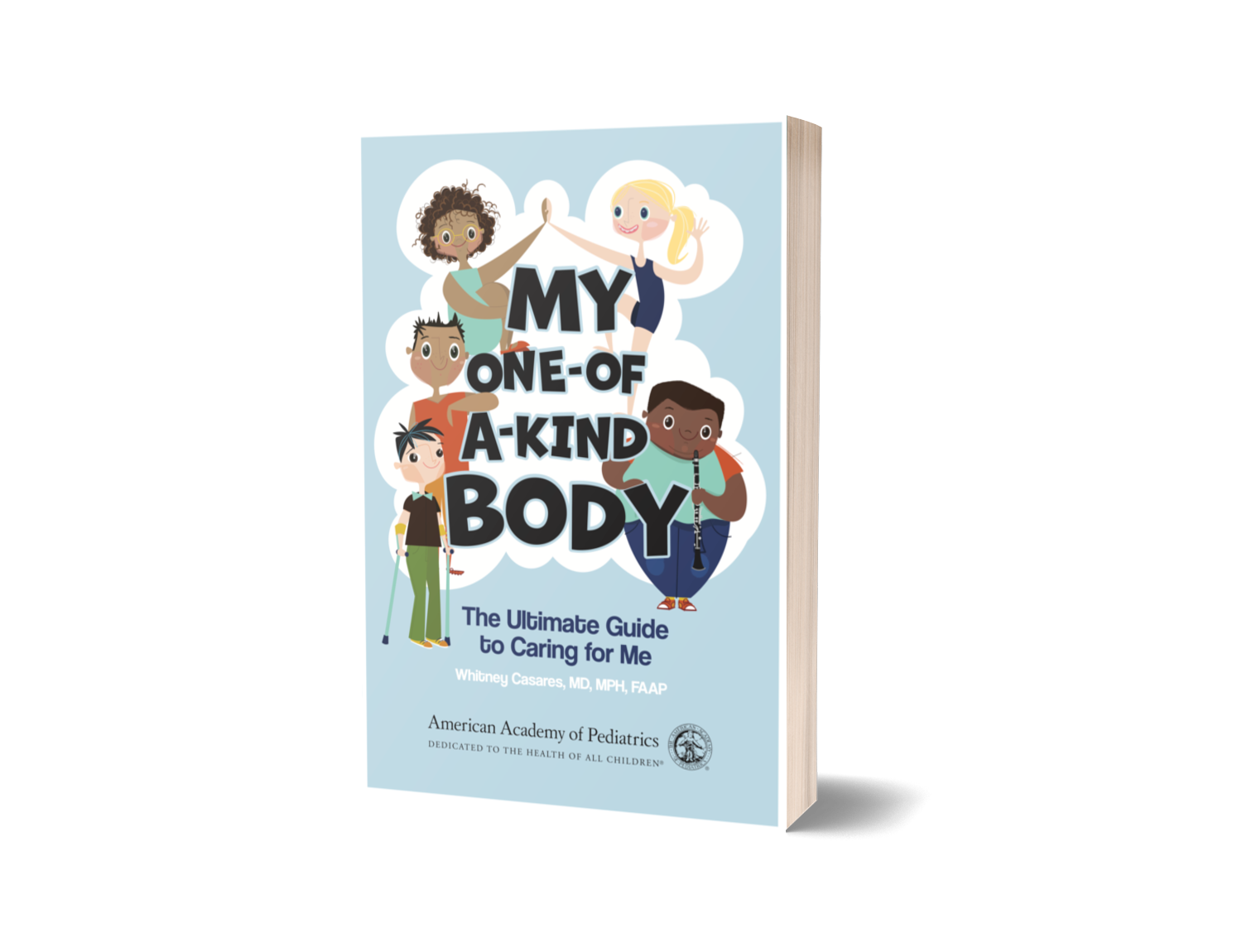
My Kids' Book on Body Confidence is Finally Here!


Wish your partner would do more to lessen your mental load?


Want to make self-care a priority but not sure how to?


SIGN UP FOR SUSTAINABLE SELF-CARE. IT'S FREE. CLICK HERE


FRESH

ON THE PODCAST


By Dr. Whitney December 17, 2025
About the Episode: In this episode, Dr. Whitney sits down with Dr. Jay Gargus and Dave Justus from NeuroQure to discuss the power of early clarity when it comes to autism detection and why earlier intervention can fundamentally change outcomes for childre n and families. Dr. Gargus explains the science behind early behavioral therapies and why their impact goes far beyond short-term skill-building. Research shows that early, evidence-based interventions can lead to measurable, lifelong improvements in IQ, so cial skills, independence, and educational placement, often determining whether a child can thrive in mainstream education or requires ongoing specialized support. The conversation also tackles a critical and often overlooked issue: access. Dave Justus shares the personal motivation behind NeuroQure’s work and explains why the test is being launched at cost, with installment plans and employer subsidies, while the team works toward insurance coverage. The goal is to prevent families from losing precious years waiting for answers. Together, they emphasize a hopeful message for parents: families don’t need to wait for a future “silver bullet.” We already have therapies that work and getting kids connected to them earlier can change the course of a lifetime. In this episode, we discuss: Why early autism detection leads to lifelong changes—not just short-term gains What a 17-point IQ difference actually means for education, independence, and quality of life How early intervention can shift developmental trajectories as early as 6 months The science and validation behind current autism therapies Why NeuroQure is pricing testing at cost while pursuing insurance coverage How early clarity can reduce long-term strain on families, schools, and healthcare systems This episode is a powerful reminder that timing matters and that early access to answers can make an extraordinary difference for children and the families who love them. About Our Guest: Dr. Jay Gargus, MD, PhD is a physician-scientist and nationally recognized expert in neurodevelopmental disorders, with decades of experience researching the biological underpinnings of autism. His work has focused on translating well-established science into meaningful, real-world interventions that can improve lifelong outcomes for children. Dr. Gargus emphasizes that early, evidence-based therapies are already available—and that connecting families to them sooner can fundamentally change developmental trajectories. Dave Justus is a parent and the founder of NeuroQure, whose work is driven by personal experience navigating delayed autism diagnosis and intervention. Motivated by the belief that early clarity can spare families years of uncertainty, Dave is focused on expanding access to early testing through cost-based pricing and ongoing efforts to secure insurance coverage. His mission is simple but powerful: ensure families don’t have to wait for answers that could change everything. Want to Start Raising Body-Confident Kids Today? 📘 Order the Book Order your copy of My One-of-a-Kind Body 👉 www.raisingbodyconfidentkids.com/books 🎁 Claim Your Free Bonus When you order on our site, you’ll also get access to a FREE video mini-course with five bite-sized lessons for parents. In just 25 minutes, you’ll walk away with: Simple, script-style ways to respond when your kid says, “I hate my thighs” How to talk about health without weight talk What to do when your own inner critic shows up How to interrupt diet culture at home The first step to raising a body-confident kid, even if you didn’t grow up as one 📩 Subscribe to The Modern Mommy Doc Podcast for more episodes on parenting with confidence and clarity. Leave a review using the hashtag #ModernMommyDoc.
By Dr. Whitney November 13, 2025
Stop being so busy, and start being more present.