MMD BLOG


CATEGORY:

PARENTING

PARENTING HACKS FOR NEW MOMS | KEEPING PERSPECTIVE

 Modern Mommy Doc


PUBLICATION DATE:

July 11, 2018

PARENTING HACKS FOR NEW MOMS | KEEPING PERSPECTIVE

 Modern Mommy Doc

CATEGORY: PARENTING

This weekend, I learned a powerful lesson in motherhood perspective. My family woke up stressed. Both my kids and my husband were going for a week to the coast with their grandparents while I stayed behind to work. The flight was scheduled for 11:45 a.m., so at 10:15 we were in high-gear trying to get everyone out the door and ready for the big adventure. Like it always goes, my husband and I were a bit curt with each other as one we tried to make last-minute additions to our suitcases and keep the kids occupied at the same time. My toddler kept pulling everything out of the luggage and throwing it up in the air with glee. 


“Rain, mama!” she squealed. 


“Feeling a little on edge?” my husband smirked as I sighed heavily in her direction and tried to pry her fingers off her make-believe tropical storm props. 


I felt myself trying to get back to mindfulness as we raced the clock. (By the way, if you're looking for toddler behavior and tantrum help, check out our free guide here). 


Finally, we made it out the door but, closing our fence behind us, I saw something was missing. Something big. In fact, two things. 


“Where are our cars?” My big girl asked. 


A Lesson in Perspective:


I looked around, sure we had just forgotten where we parked them the night before but slowly it set in. Our cars were gone. Vanished without a trace. Kaplouf!


Yep, someone stole both of my cars right from in front of my house. Had we dropped the keys on our way in the night before? Our minds raced to retrace our steps. 


As we scrambled to the airport in a taxi and started making calls to the police and our insurance company, my daughter burst out into tears. 


“Someone took our cars? They took our things? Why would someone do that to me? I love our cars!” 


(By the way, our cars are not fancy in the least, she just gets strongly attached to her stuff.)


Losing PerspectivE:


I may not have been in tears, but I was feeling the same exact way: completely violated and totally helpless. 


As we zipped along the highway, though, I realized I had a unique opportunity to reframe our situation, not only for my children but for myself. 


Gaining Perspective Back:


Worrying Less About the Small Things


First of all, I saw how petty and small-minded I had been when we were preparing for the trip earlier that morning. Yes, we’d had a plane to catch and yes, my baby was cramping my style and my schedule, but my level of annoyance was in no way commiserate with the level of inconvenience I was facing. It reminded me of how often I handle all the other situations I referee with my kids (squabbles, tantrums, and power-plays) in the same over-the-top, reactive way—and that I can choose to treat my kids’ infringements like life-threatening emergencies, reacting abruptly without perspective, or I can choose to treat them like the minor hiccups that they (usually are). 


Using Bad Experiences to Teach My Kids Resilience


Second, I realized this was an amazing opportunity to teach my kids about prioritizing people over possessions. While my daughter worried about the loss of our vehicle, I worried about the loss of our financial security. My immediate thought was, “Do I have comprehensive coverage? How much will this cost me?” And, though those things are important, my child’s question about why someone would choose to take something that belongs to someone else helped me get to a place of deeper appreciation about what was NOT taken (my children), about what had NOT happened (a house break-in, a major car accident). Because she got so, understandably, focused on our things, it helped me pan out to the wider picture and end up….thankful. 


Making it a Teaching Moment


Lastly, I was able to give my children some insight into why things get taken, opening the door to an in-the-moment conversation about how we prepare for emergencies, accidents, and mayhem. About why we save some money and set it aside just “in case.” About how there are people out there designated to help us when things go wrong. About how sometimes isn’t all about enjoying the roses, it’s also about overcoming the thorns, building resilience along the way.


Back When I Had No Perspective


It made me think back to when I was a new mom, working out the details of breastfeeding, trying to make sense of sleep cycles and colic. I remembered how easy it was in the small, stressful moments, to think small. About how much better motherhood got once I started looking at the big picture, focusing on coping with versus changing my new mom day-to-day reality. About how all of us, when we’re mothering, can’t control everything, but can control our perspectives. 


Life’s not fair. It’s never going to be. And, while I’m not quite sure that “everything happens for a reason” applies to a robbery taking place literally in my front yard, the events of this past weekend, did, in the end, help me gain an even clearer vision of what’s important and what’s really not—and of how to teach my kids to understand why things ultimately don’t matter: the people we love do. 


If you are a new mom or an expectant mom, getting perspective and having the right expectations is one of the most important things you can do.


Raising Body-Confident Kids Starts at the Doctor's Office!

START NOW
By Dr. Whitney December 17, 2025
About the Episode: In this episode, Dr. Whitney sits down with Dr. Jay Gargus and Dave Justus from NeuroQure to discuss the power of early clarity when it comes to autism detection and why earlier intervention can fundamentally change outcomes for childre n and families. Dr. Gargus explains the science behind early behavioral therapies and why their impact goes far beyond short-term skill-building. Research shows that early, evidence-based interventions can lead to measurable, lifelong improvements in IQ, so cial skills, independence, and educational placement, often determining whether a child can thrive in mainstream education or requires ongoing specialized support. The conversation also tackles a critical and often overlooked issue: access. Dave Justus shares the personal motivation behind NeuroQure’s work and explains why the test is being launched at cost, with installment plans and employer subsidies, while the team works toward insurance coverage. The goal is to prevent families from losing precious years waiting for answers. Together, they emphasize a hopeful message for parents: families don’t need to wait for a future “silver bullet.” We already have therapies that work and getting kids connected to them earlier can change the course of a lifetime. In this episode, we discuss: Why early autism detection leads to lifelong changes—not just short-term gains What a 17-point IQ difference actually means for education, independence, and quality of life How early intervention can shift developmental trajectories as early as 6 months The science and validation behind current autism therapies Why NeuroQure is pricing testing at cost while pursuing insurance coverage How early clarity can reduce long-term strain on families, schools, and healthcare systems This episode is a powerful reminder that timing matters and that early access to answers can make an extraordinary difference for children and the families who love them. About Our Guest: Dr. Jay Gargus, MD, PhD is a physician-scientist and nationally recognized expert in neurodevelopmental disorders, with decades of experience researching the biological underpinnings of autism. His work has focused on translating well-established science into meaningful, real-world interventions that can improve lifelong outcomes for children. Dr. Gargus emphasizes that early, evidence-based therapies are already available—and that connecting families to them sooner can fundamentally change developmental trajectories. Dave Justus is a parent and the founder of NeuroQure, whose work is driven by personal experience navigating delayed autism diagnosis and intervention. Motivated by the belief that early clarity can spare families years of uncertainty, Dave is focused on expanding access to early testing through cost-based pricing and ongoing efforts to secure insurance coverage. His mission is simple but powerful: ensure families don’t have to wait for answers that could change everything. Want to Start Raising Body-Confident Kids Today? 📘 Order the Book Order your copy of My One-of-a-Kind Body 👉 www.raisingbodyconfidentkids.com/books 🎁 Claim Your Free Bonus When you order on our site, you’ll also get access to a FREE video mini-course with five bite-sized lessons for parents. In just 25 minutes, you’ll walk away with: Simple, script-style ways to respond when your kid says, “I hate my thighs” How to talk about health without weight talk What to do when your own inner critic shows up How to interrupt diet culture at home The first step to raising a body-confident kid, even if you didn’t grow up as one 📩 Subscribe to The Modern Mommy Doc Podcast for more episodes on parenting with confidence and clarity. Leave a review using the hashtag #ModernMommyDoc.
By Dr. Whitney November 13, 2025
Stop being so busy, and start being more present.
By Dr. Whitney November 5, 2025
Starting out right with solids doesn't have to be so scary.
By Dr. Whitney October 29, 2025
What if YOU are the one who needs to calm down first?

Welcome! Get the information you need to win at parenting without losing yourself.

LEARN MORE

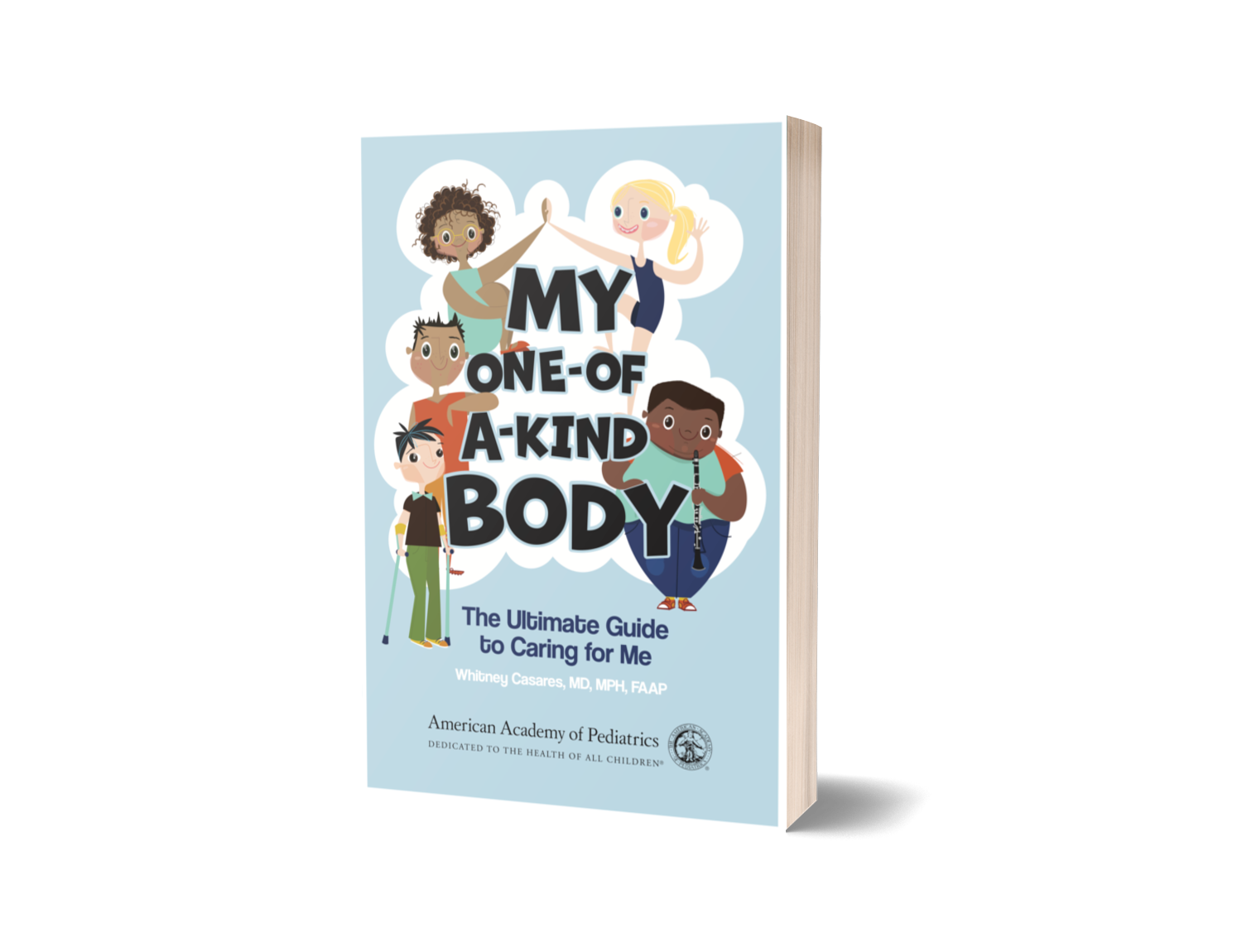
My Kids' Book on Body Confidence is Finally Here!


Wish your partner would do more to lessen your mental load?


Want to make self-care a priority but not sure how to?


SIGN UP FOR SUSTAINABLE SELF-CARE. IT'S FREE. CLICK HERE


FRESH

ON THE PODCAST


By Dr. Whitney December 17, 2025
About the Episode: In this episode, Dr. Whitney sits down with Dr. Jay Gargus and Dave Justus from NeuroQure to discuss the power of early clarity when it comes to autism detection and why earlier intervention can fundamentally change outcomes for childre n and families. Dr. Gargus explains the science behind early behavioral therapies and why their impact goes far beyond short-term skill-building. Research shows that early, evidence-based interventions can lead to measurable, lifelong improvements in IQ, so cial skills, independence, and educational placement, often determining whether a child can thrive in mainstream education or requires ongoing specialized support. The conversation also tackles a critical and often overlooked issue: access. Dave Justus shares the personal motivation behind NeuroQure’s work and explains why the test is being launched at cost, with installment plans and employer subsidies, while the team works toward insurance coverage. The goal is to prevent families from losing precious years waiting for answers. Together, they emphasize a hopeful message for parents: families don’t need to wait for a future “silver bullet.” We already have therapies that work and getting kids connected to them earlier can change the course of a lifetime. In this episode, we discuss: Why early autism detection leads to lifelong changes—not just short-term gains What a 17-point IQ difference actually means for education, independence, and quality of life How early intervention can shift developmental trajectories as early as 6 months The science and validation behind current autism therapies Why NeuroQure is pricing testing at cost while pursuing insurance coverage How early clarity can reduce long-term strain on families, schools, and healthcare systems This episode is a powerful reminder that timing matters and that early access to answers can make an extraordinary difference for children and the families who love them. About Our Guest: Dr. Jay Gargus, MD, PhD is a physician-scientist and nationally recognized expert in neurodevelopmental disorders, with decades of experience researching the biological underpinnings of autism. His work has focused on translating well-established science into meaningful, real-world interventions that can improve lifelong outcomes for children. Dr. Gargus emphasizes that early, evidence-based therapies are already available—and that connecting families to them sooner can fundamentally change developmental trajectories. Dave Justus is a parent and the founder of NeuroQure, whose work is driven by personal experience navigating delayed autism diagnosis and intervention. Motivated by the belief that early clarity can spare families years of uncertainty, Dave is focused on expanding access to early testing through cost-based pricing and ongoing efforts to secure insurance coverage. His mission is simple but powerful: ensure families don’t have to wait for answers that could change everything. Want to Start Raising Body-Confident Kids Today? 📘 Order the Book Order your copy of My One-of-a-Kind Body 👉 www.raisingbodyconfidentkids.com/books 🎁 Claim Your Free Bonus When you order on our site, you’ll also get access to a FREE video mini-course with five bite-sized lessons for parents. In just 25 minutes, you’ll walk away with: Simple, script-style ways to respond when your kid says, “I hate my thighs” How to talk about health without weight talk What to do when your own inner critic shows up How to interrupt diet culture at home The first step to raising a body-confident kid, even if you didn’t grow up as one 📩 Subscribe to The Modern Mommy Doc Podcast for more episodes on parenting with confidence and clarity. Leave a review using the hashtag #ModernMommyDoc.
By Dr. Whitney November 13, 2025
Stop being so busy, and start being more present.