MMD BLOG


CATEGORY:

NUTRITION + NEW MAMA

GUEST BLOG | A NEW MOM'S GUIDE TO POSTPARTUM NUTRITION WHILE BREASTFEEDING

 Modern Mommy Doc


PUBLICATION DATE:

July 23, 2018

GUEST BLOG | A NEW MOM'S GUIDE TO POSTPARTUM NUTRITION WHILE BREASTFEEDING

 Modern Mommy Doc

CATEGORY: NUTRITION + NEW MAMA

What to Eat for Healthy Weight Loss and Postpartum Nutrition, Without Sacrificing Milk Supply


This week, we're saying thanks to our friends at Alavita for giving us some awesome nutrition tips for new moms!


Anna Bohnengel, MS, RD, LD is a dietitian and co-founder of Alavita. Trained at the NIH, she has spent most of her career in clinical research at OHSU and in private practice. Specializing in nutrition for women’s health, she focuses on helping women feel energized & confident through a fresh, simple and results-driven approach. 


As a new mom herself, her work is now personal as she helps women enjoy a healthy pregnancy and thrive postpartum. 


As a new mama, it’s natural to be chomping at the bit to feel like yourself again. 


Yes, your body performed a miracle and you’re overflowing with love for your sweet new baby. But, you’re also tired of being tired, eager to fit into your jeans, and ready to climb the stairs without getting out of breath. 


As a breastfeeding mama, it's equally natural to have a lot of worries clogging up your brain. You’re worried about compromising your milk supply, concerned it’s selfish to take time for yourself, and not sure how you’re possibly going to return to your normal weight because you’re hungry enough to eat a horse. You're worried about postpartum nutrition. 


Here’s the good news- you can return to your fit, powerhouse-self while breastfeeding. 


You can also be the best mama ever, not in spite of taking time to eat well and workout, but because you prioritize self-care. It will all happen… just not immediately. The name of the game is baby-steps. 


And patience. 


It took 9 (ish) months to grow this new human, give yourself at least that much time to recover and renew. Fill your thoughts with reminders that you got this. And, good things, including postpartum nutrition, take time. 


Now that you’ve got your mindset in place, here are some guiding principles for your postpartum nutrition plan. 


Your Seven-Step Postpartum Nutrition Plan: 


1. Eat Enough


In the excitement to lose the baby weight, it’s tempting to whip out your calorie calculator and start skimping on food. This strategy will likely backfire. Here are just a few of the reasons why we don’t recommend focusing on cutting calories: 


Relying on willpower alone is unreliable in the face of sleep-deprived food cravings.


Undereating slows down your metabolism and shifts metabolic pathways to prioritize storing rather than burning fat. 


Although some amount of cutting back is safe, over-doing the calorie restriction can compromise your milk volume, and your health. 


Going around hungry will make you miserable and cranky. 


So how much is enough? Trust your body to tell you. If you feel hungry, it’s likely you need fuel. Your nutrient needs are higher while breastfeeding than while pregnant! You’re still growing another human! 


If your appetite does not chime in, try eating at least every 3-4 hours, starting within one hour of waking up, to get your metabolism kicked into gear. Since your baby eats every three hours, use this schedule as a reminder to nourish yourself as well. 


Takeaway: Give yourself permission to eat when you’re hungry for optimal postpartum nutrition


2. Protein. Every. Single. Time. You. Eat. 


Now that you’re giving yourself the grace to eat, make protein your bestie. It will keep you satisfied to prevent over-eating later in the day. Eating enough protein will preserve your muscles as you shed your fat-stores. If you’re a numbers gal, aim for 10-20g of protein per snack and 20-30g per meal. 


Takeaway: Have three eggs (with the yolk for needed choline) for breakfast, Greek yogurt or jerky for snacks, and 4 oz of fish, chicken or grass-fed meat at most meals. 


3. Include Healthy Fats


Avoiding fat is so 1990s. As postpartum nutrition science has evolved, so has our understanding that eating fat does not make you fat. In fact, quite the opposite. Many nutrients essential to maintaining a healthy weight (and for breastfeeding), like vitamin D, require fats for absorption. 


Healthy fats are especially beneficial postpartum. Omega-3 fats (think fatty fish like salmon) reduce inflammation, encourage recovery and may help stave away postpartum depression. When you eat omega-3 fats, you also transmit more of this nutrient critical to brain development to your sweet babe through your breastmilk. 


Takeaway: Have salmon for dinner, don’t be shy with the extra virgin olive oil and pile on the avocado.



4. FILL UP ON FIBER


Fiber is found in nutrient-dense, plant-based foods like veggies, fruits, nuts/seeds and complex carbs. These are all nutrient-dense foods that will give you more energy, and is there anything a new mom needs more of than energy?!? Fiber also feeds the good bacteria in your gut, which in turn, promotes a healthy weight. 


Takeaway: You’re already eating protein every time you eat. Now, add some plants to that plate. 


5. HYDRATE


It’s true that sometimes thirst can disguise itself as hunger and that your hydration needs are sky-high to support breastfeeding and postpartum nutrition. Not to mention, dehydration makes you feel irritable, foggy-headed and depleted. 


Takeaway: If you haven’t heard it yet, it’s time to set up a hydration station at every spot in the house where you breastfeed. 


6. STRENGTH TRAIN


This final suggestion to help you achieve a healthy weight while breastfeeding and for overall postpartum nutrition is to incorporate strength training into your fitness routine. As little as 2-3 times per week is all that it takes to build muscle mass, your metabolic engine. Strength training will not make you bulky. It will help you feel toned and strong. 


Takeaway: Whether living room exercises like push-ups and squats, shakes & quakes in a barre class or slinging kettle bells at the gym, make resistance training part of your routine. Follow it up with plenty of water, protein, and plants. 


7. KEEP TAKING YOUR PRENATAL


Final, final suggestion: Ignore the ‘pre’ in prenatal vitamins and take them before during and after pregnancy. If you know another babe is on the way, there’s no reason to stop taking them. See this guide to choosing a prenatal. 

Raising Body-Confident Kids Starts at the Doctor's Office!

START NOW
By Dr. Whitney December 17, 2025
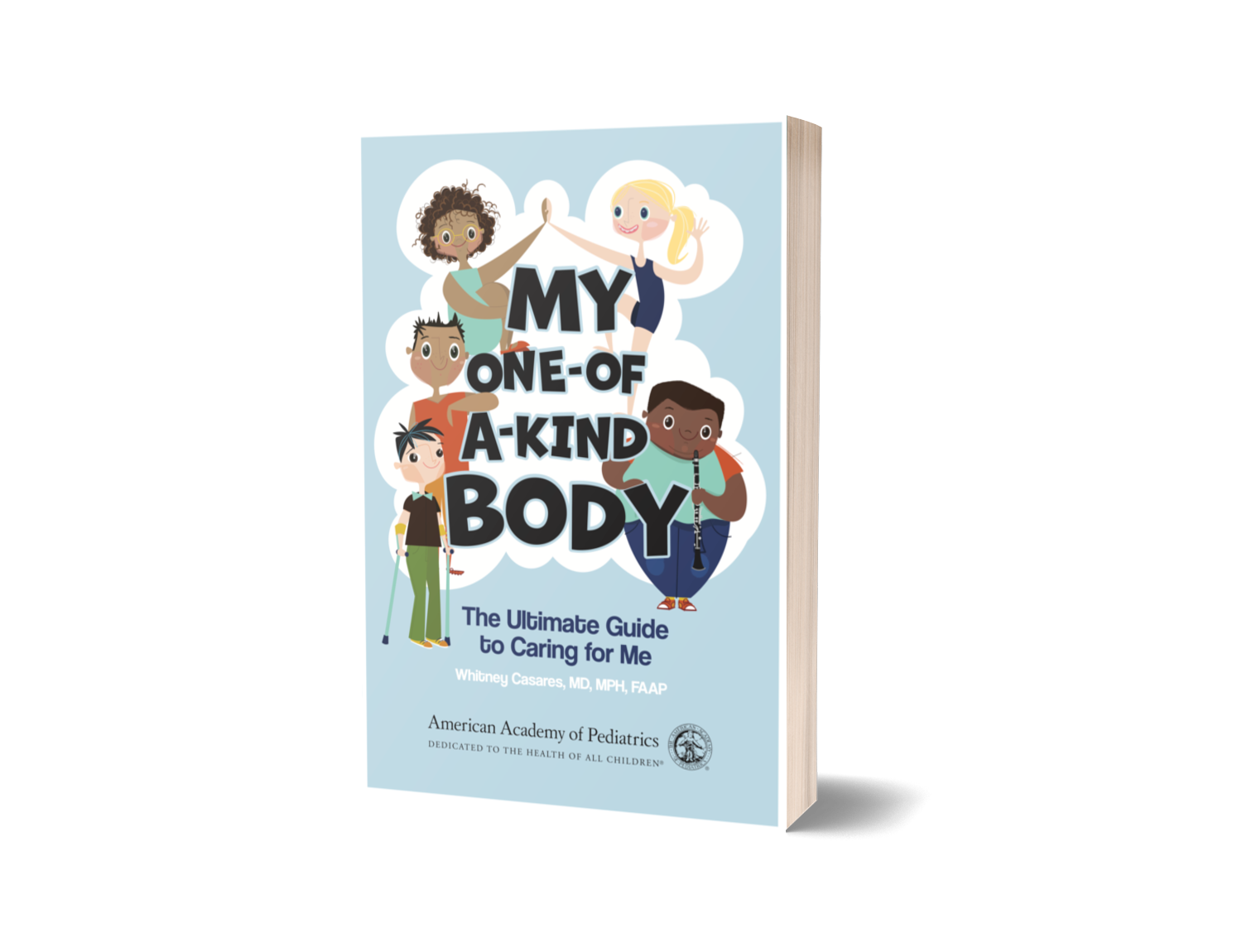
About the Episode: In this episode, Dr. Whitney sits down with Dr. Jay Gargus and Dave Justus from NeuroQure to discuss the power of early clarity when it comes to autism detection and why earlier intervention can fundamentally change outcomes for childre n and families. Dr. Gargus explains the science behind early behavioral therapies and why their impact goes far beyond short-term skill-building. Research shows that early, evidence-based interventions can lead to measurable, lifelong improvements in IQ, so cial skills, independence, and educational placement, often determining whether a child can thrive in mainstream education or requires ongoing specialized support. The conversation also tackles a critical and often overlooked issue: access. Dave Justus shares the personal motivation behind NeuroQure’s work and explains why the test is being launched at cost, with installment plans and employer subsidies, while the team works toward insurance coverage. The goal is to prevent families from losing precious years waiting for answers. Together, they emphasize a hopeful message for parents: families don’t need to wait for a future “silver bullet.” We already have therapies that work and getting kids connected to them earlier can change the course of a lifetime. In this episode, we discuss: Why early autism detection leads to lifelong changes—not just short-term gains What a 17-point IQ difference actually means for education, independence, and quality of life How early intervention can shift developmental trajectories as early as 6 months The science and validation behind current autism therapies Why NeuroQure is pricing testing at cost while pursuing insurance coverage How early clarity can reduce long-term strain on families, schools, and healthcare systems This episode is a powerful reminder that timing matters and that early access to answers can make an extraordinary difference for children and the families who love them. About Our Guest: Dr. Jay Gargus, MD, PhD is a physician-scientist and nationally recognized expert in neurodevelopmental disorders, with decades of experience researching the biological underpinnings of autism. His work has focused on translating well-established science into meaningful, real-world interventions that can improve lifelong outcomes for children. Dr. Gargus emphasizes that early, evidence-based therapies are already available—and that connecting families to them sooner can fundamentally change developmental trajectories. Dave Justus is a parent and the founder of NeuroQure, whose work is driven by personal experience navigating delayed autism diagnosis and intervention. Motivated by the belief that early clarity can spare families years of uncertainty, Dave is focused on expanding access to early testing through cost-based pricing and ongoing efforts to secure insurance coverage. His mission is simple but powerful: ensure families don’t have to wait for answers that could change everything. Want to Start Raising Body-Confident Kids Today? 📘 Order the Book Order your copy of My One-of-a-Kind Body 👉 www.raisingbodyconfidentkids.com/books 🎁 Claim Your Free Bonus When you order on our site, you’ll also get access to a FREE video mini-course with five bite-sized lessons for parents. In just 25 minutes, you’ll walk away with: Simple, script-style ways to respond when your kid says, “I hate my thighs” How to talk about health without weight talk What to do when your own inner critic shows up How to interrupt diet culture at home The first step to raising a body-confident kid, even if you didn’t grow up as one 📩 Subscribe to The Modern Mommy Doc Podcast for more episodes on parenting with confidence and clarity. Leave a review using the hashtag #ModernMommyDoc.
By Dr. Whitney November 13, 2025
Stop being so busy, and start being more present.
By Dr. Whitney November 5, 2025
Starting out right with solids doesn't have to be so scary.
By Dr. Whitney October 29, 2025
What if YOU are the one who needs to calm down first?

Welcome! Get the information you need to win at parenting without losing yourself.

LEARN MORE

My Kids' Book on Body Confidence is Finally Here!


Wish your partner would do more to lessen your mental load?


Want to make self-care a priority but not sure how to?


SIGN UP FOR SUSTAINABLE SELF-CARE. IT'S FREE. CLICK HERE


FRESH

ON THE PODCAST


By Dr. Whitney December 17, 2025
About the Episode: In this episode, Dr. Whitney sits down with Dr. Jay Gargus and Dave Justus from NeuroQure to discuss the power of early clarity when it comes to autism detection and why earlier intervention can fundamentally change outcomes for childre n and families. Dr. Gargus explains the science behind early behavioral therapies and why their impact goes far beyond short-term skill-building. Research shows that early, evidence-based interventions can lead to measurable, lifelong improvements in IQ, so cial skills, independence, and educational placement, often determining whether a child can thrive in mainstream education or requires ongoing specialized support. The conversation also tackles a critical and often overlooked issue: access. Dave Justus shares the personal motivation behind NeuroQure’s work and explains why the test is being launched at cost, with installment plans and employer subsidies, while the team works toward insurance coverage. The goal is to prevent families from losing precious years waiting for answers. Together, they emphasize a hopeful message for parents: families don’t need to wait for a future “silver bullet.” We already have therapies that work and getting kids connected to them earlier can change the course of a lifetime. In this episode, we discuss: Why early autism detection leads to lifelong changes—not just short-term gains What a 17-point IQ difference actually means for education, independence, and quality of life How early intervention can shift developmental trajectories as early as 6 months The science and validation behind current autism therapies Why NeuroQure is pricing testing at cost while pursuing insurance coverage How early clarity can reduce long-term strain on families, schools, and healthcare systems This episode is a powerful reminder that timing matters and that early access to answers can make an extraordinary difference for children and the families who love them. About Our Guest: Dr. Jay Gargus, MD, PhD is a physician-scientist and nationally recognized expert in neurodevelopmental disorders, with decades of experience researching the biological underpinnings of autism. His work has focused on translating well-established science into meaningful, real-world interventions that can improve lifelong outcomes for children. Dr. Gargus emphasizes that early, evidence-based therapies are already available—and that connecting families to them sooner can fundamentally change developmental trajectories. Dave Justus is a parent and the founder of NeuroQure, whose work is driven by personal experience navigating delayed autism diagnosis and intervention. Motivated by the belief that early clarity can spare families years of uncertainty, Dave is focused on expanding access to early testing through cost-based pricing and ongoing efforts to secure insurance coverage. His mission is simple but powerful: ensure families don’t have to wait for answers that could change everything. Want to Start Raising Body-Confident Kids Today? 📘 Order the Book Order your copy of My One-of-a-Kind Body 👉 www.raisingbodyconfidentkids.com/books 🎁 Claim Your Free Bonus When you order on our site, you’ll also get access to a FREE video mini-course with five bite-sized lessons for parents. In just 25 minutes, you’ll walk away with: Simple, script-style ways to respond when your kid says, “I hate my thighs” How to talk about health without weight talk What to do when your own inner critic shows up How to interrupt diet culture at home The first step to raising a body-confident kid, even if you didn’t grow up as one 📩 Subscribe to The Modern Mommy Doc Podcast for more episodes on parenting with confidence and clarity. Leave a review using the hashtag #ModernMommyDoc.
By Dr. Whitney November 13, 2025
Stop being so busy, and start being more present.