MMD BLOG


CATEGORY:

MOM RAGE + ANXIETY

I’M SO ANGRY—THERE MUST BE SOMETHING WRONG WITH ME

 Modern Mommy Doc


PUBLICATION DATE:

September 20, 2021

I’M SO ANGRY—THERE MUST BE SOMETHING WRONG WITH ME

 Modern Mommy Doc

CATEGORY: MOM RAGE + ANXIETY

I yelled. Again.


I got mad because my kid was in a bad mood--which made ME in a bad mood. Again.

I came unglued about something so tiny. 


Again.


It had become what seemed like a never-ending cycle. I would go, go, GO at work and then come home exhausted to an imperfect house full of imperfect kids and an imperfect spouse. That (weird!) didn’t always act exactly as I wanted them to.


The kids would get riled up about something--even if it was because they were happy--and I wanted to pull my hair out. I’d have to make dinner in 20 minutes because I had to jet back out the door for a school meeting that I had ZERO desire to attend. Only to come back home to kids still awake and still saying all the words, a mess in the kitchen, and a husband who wanted to talk about our budget for the month.


All of these things that, by themselves, would be fine enough. But when you pile them together and add in the fact that I haven’t stopped moving since 1992, it usually ends up in me losing my mind and my family gets hit with the full force of it. 


Do you feel like you yell every day? Like there’s something wrong with you because you just can’t get your ish together?


Frustrated with your partner. Overwhelmed with your kids. Burnt out at work.


The perfect storm.


As moms, we can often feel like we’ve gotta hold it all together ALL the time and if we ever can’t hold up to that crazy high standard, it’s because we’re terrible moms. And because we’re broken. 


The real reason you feel like this isn’t because YOU’RE broke, it’s because your SYSTEM is broken.


Your system that gets your needs met has some huge, gaping holes in it. You get frustrated because your attention, attunement, rest, self-care, or equity in your house is lacking (or maybe not even there at all!) You get overwhelmed because you’re doing EVERYTHING instead of giving yourself permission to do what matters to you and living in alignment with YOUR priorities instead of others’ expectations on you (I’m looking at you, school meeting.)


Two things need to happen in order to flip this script: One, you need to name what really matters so you can actively and intentionally pursue those things and let others fall to the side. And two, you’ve got to learn how to take care of yourself in ways that actually refresh and refuel.


Naming Your Priorities

So many moms I meet describe their days as chaotic and conflicted. They feel pulled in every direction, all at the same time. They’re trying to do it all, but doing nothing well. The answer? A life that’s centered.


Creating a centered life starts with having a centered vision: a clear idea of what life would look like for you if you were living according to what mattered most to you. Your centered vision is all the things that give your life purpose and that make you feel centered. Name your top 5 and those are the things you design your life around instead of living your life and trying to shove those things into the dusty nooks and crannies.


(Does this give you permission to just not make dinner one night for your fam because it’s not one of your priorities? No. But it gives you grace and room to order take-out so that you can be present during family movie night.)


Creating Self-Care Habits That Stick

We can all think of and probably do one thing that makes us feel refreshed in a week. But what happens when milk gets spilled all over homework, you get yelled at at work, and everyone gets sick? If your self-care agenda is a one-time deal, it’s not going to do you much good. You need a self-care routine that is doable and repeatable long-term.


You need daily and weekly habits.


Daily Habits


One of the EASIEST ways I know to implement self-care every single day (or just about!) is through meditation. I’m not necessarily talking about sitting cross-legged and humming “OHM” over and over--but if that works for you, more power to you! Meditation just gives us a framework for slowing down and learning to pay attention to our own inner voice. A few quieted minutes can completely change your day.


One powerful way to meditate daily is to practice writing
Morning Pages (first presented by Julia Cameron, author of The Artist’s Way). Morning Pages are three pages (written in actual pen on actual paper) of stream-of-consciousness writing that you complete first thing in the morning. What you write can be anything and everything — whatever comes into your mind — but it can be especially helpful as a re-centering and reconnecting exercise to start by writing what you’re feeling.


Of course, you can meditate in a variety of ways. And you can do the same type of writing exercises performed in Morning Pages at any time of the day, although completing them in the morning allows you to set yourself up for intentionality right at the start of each day.


When can you find five minutes in the day to meditate?


Weekly Habits


When we regularly take good care of ourselves, we can take care of all the other parts of our lives — including our partners, children, and households — with more intentionality, peace, and joy. When we spend time taking care of ourselves and doing the things that make us feel connected to ourselves (that meet our needs WITHOUT having to consider anyone else’s needs), we strengthen our internal compasses. Which makes it much easier to make big decisions as well as the moment-to-moment choices that leave us feeling centered and content instead of conflicted.


Now this is going to be a stretch for some of you mamas, but this is SO important for regular self-care:
Plan on carving out one to two hours three days a week when you can focus solely on doing what you want to do. Self-care doesn’t have to be elaborate or spectacular. Maybe it’s reading a book quietly on your porch or talking with a friend. Maybe it’s something active. Only you know what you need to do to stay centered and energized throughout your week.


Of course, there will be weeks you won’t get to your self-care plan at all. Be prepared to give yourself some grace on that. But if you can commit to three times a week most weeks, it’ll be often enough it’ll become a routine. And you’ll end up feeling the benefits even on the weeks you don’t get to it. 


What is something you can do about every other day, almost every single week?


If you’re looking for more on how to name your priorities and how to make self-care a habit you can stick to, you’ll love our Modern Mamas Club. We get into the nitty gritty of how you can make this a reality for you and why it’s so damn important. Head to Modern Mamas Club get your first month for FREE!


Raising Body-Confident Kids Starts at the Doctor's Office!

START NOW
By Dr. Whitney December 17, 2025
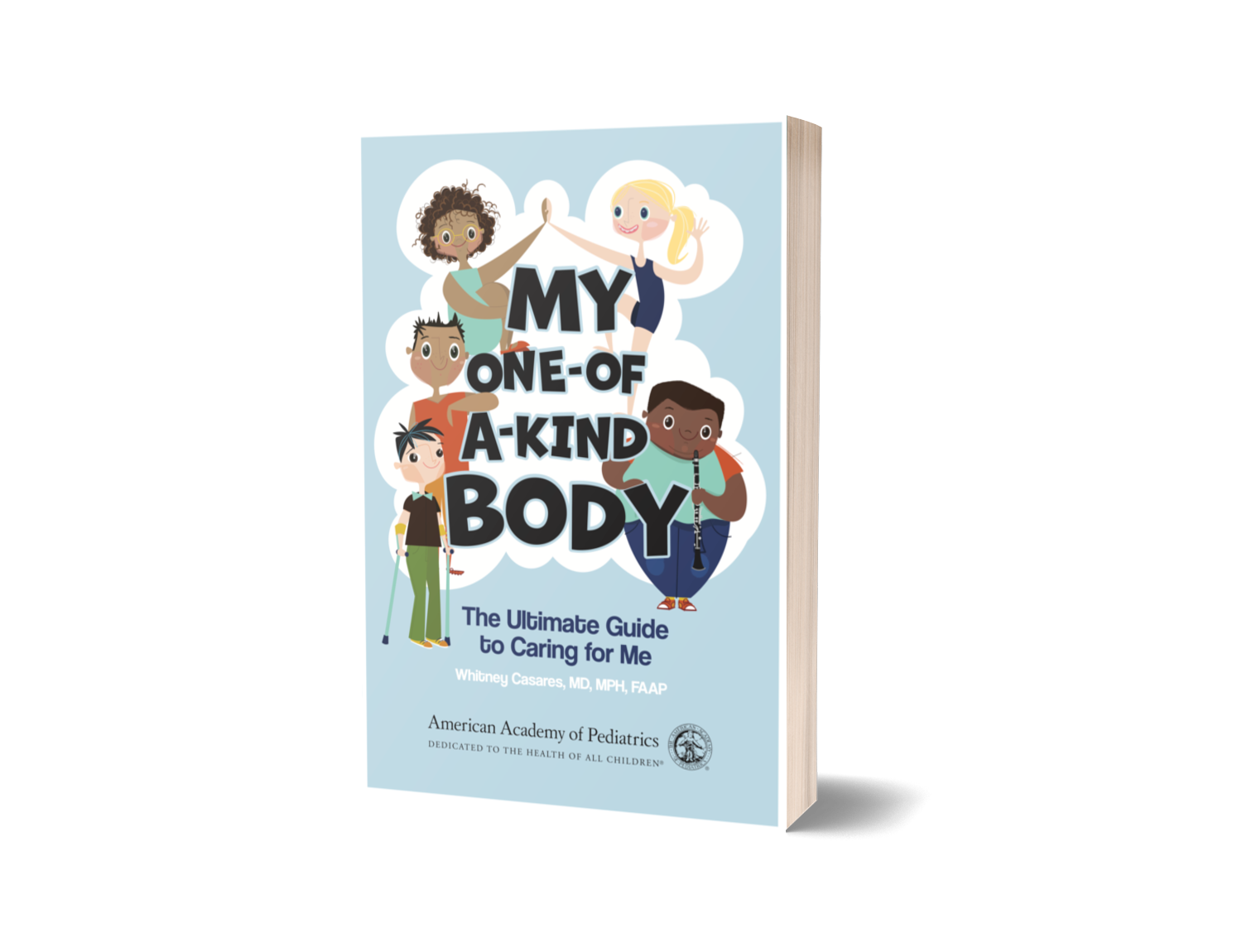
About the Episode: In this episode, Dr. Whitney sits down with Dr. Jay Gargus and Dave Justus from NeuroQure to discuss the power of early clarity when it comes to autism detection and why earlier intervention can fundamentally change outcomes for childre n and families. Dr. Gargus explains the science behind early behavioral therapies and why their impact goes far beyond short-term skill-building. Research shows that early, evidence-based interventions can lead to measurable, lifelong improvements in IQ, so cial skills, independence, and educational placement, often determining whether a child can thrive in mainstream education or requires ongoing specialized support. The conversation also tackles a critical and often overlooked issue: access. Dave Justus shares the personal motivation behind NeuroQure’s work and explains why the test is being launched at cost, with installment plans and employer subsidies, while the team works toward insurance coverage. The goal is to prevent families from losing precious years waiting for answers. Together, they emphasize a hopeful message for parents: families don’t need to wait for a future “silver bullet.” We already have therapies that work and getting kids connected to them earlier can change the course of a lifetime. In this episode, we discuss: Why early autism detection leads to lifelong changes—not just short-term gains What a 17-point IQ difference actually means for education, independence, and quality of life How early intervention can shift developmental trajectories as early as 6 months The science and validation behind current autism therapies Why NeuroQure is pricing testing at cost while pursuing insurance coverage How early clarity can reduce long-term strain on families, schools, and healthcare systems This episode is a powerful reminder that timing matters and that early access to answers can make an extraordinary difference for children and the families who love them. About Our Guest: Dr. Jay Gargus, MD, PhD is a physician-scientist and nationally recognized expert in neurodevelopmental disorders, with decades of experience researching the biological underpinnings of autism. His work has focused on translating well-established science into meaningful, real-world interventions that can improve lifelong outcomes for children. Dr. Gargus emphasizes that early, evidence-based therapies are already available—and that connecting families to them sooner can fundamentally change developmental trajectories. Dave Justus is a parent and the founder of NeuroQure, whose work is driven by personal experience navigating delayed autism diagnosis and intervention. Motivated by the belief that early clarity can spare families years of uncertainty, Dave is focused on expanding access to early testing through cost-based pricing and ongoing efforts to secure insurance coverage. His mission is simple but powerful: ensure families don’t have to wait for answers that could change everything. Want to Start Raising Body-Confident Kids Today? 📘 Order the Book Order your copy of My One-of-a-Kind Body 👉 www.raisingbodyconfidentkids.com/books 🎁 Claim Your Free Bonus When you order on our site, you’ll also get access to a FREE video mini-course with five bite-sized lessons for parents. In just 25 minutes, you’ll walk away with: Simple, script-style ways to respond when your kid says, “I hate my thighs” How to talk about health without weight talk What to do when your own inner critic shows up How to interrupt diet culture at home The first step to raising a body-confident kid, even if you didn’t grow up as one 📩 Subscribe to The Modern Mommy Doc Podcast for more episodes on parenting with confidence and clarity. Leave a review using the hashtag #ModernMommyDoc.
By Dr. Whitney November 13, 2025
Stop being so busy, and start being more present.
By Dr. Whitney November 5, 2025
Starting out right with solids doesn't have to be so scary.
By Dr. Whitney October 29, 2025
What if YOU are the one who needs to calm down first?

Welcome! Get the information you need to win at parenting without losing yourself.

LEARN MORE

My Kids' Book on Body Confidence is Finally Here!


Wish your partner would do more to lessen your mental load?


Want to make self-care a priority but not sure how to?


SIGN UP FOR SUSTAINABLE SELF-CARE. IT'S FREE. CLICK HERE


FRESH

ON THE PODCAST


By Dr. Whitney December 17, 2025
About the Episode: In this episode, Dr. Whitney sits down with Dr. Jay Gargus and Dave Justus from NeuroQure to discuss the power of early clarity when it comes to autism detection and why earlier intervention can fundamentally change outcomes for childre n and families. Dr. Gargus explains the science behind early behavioral therapies and why their impact goes far beyond short-term skill-building. Research shows that early, evidence-based interventions can lead to measurable, lifelong improvements in IQ, so cial skills, independence, and educational placement, often determining whether a child can thrive in mainstream education or requires ongoing specialized support. The conversation also tackles a critical and often overlooked issue: access. Dave Justus shares the personal motivation behind NeuroQure’s work and explains why the test is being launched at cost, with installment plans and employer subsidies, while the team works toward insurance coverage. The goal is to prevent families from losing precious years waiting for answers. Together, they emphasize a hopeful message for parents: families don’t need to wait for a future “silver bullet.” We already have therapies that work and getting kids connected to them earlier can change the course of a lifetime. In this episode, we discuss: Why early autism detection leads to lifelong changes—not just short-term gains What a 17-point IQ difference actually means for education, independence, and quality of life How early intervention can shift developmental trajectories as early as 6 months The science and validation behind current autism therapies Why NeuroQure is pricing testing at cost while pursuing insurance coverage How early clarity can reduce long-term strain on families, schools, and healthcare systems This episode is a powerful reminder that timing matters and that early access to answers can make an extraordinary difference for children and the families who love them. About Our Guest: Dr. Jay Gargus, MD, PhD is a physician-scientist and nationally recognized expert in neurodevelopmental disorders, with decades of experience researching the biological underpinnings of autism. His work has focused on translating well-established science into meaningful, real-world interventions that can improve lifelong outcomes for children. Dr. Gargus emphasizes that early, evidence-based therapies are already available—and that connecting families to them sooner can fundamentally change developmental trajectories. Dave Justus is a parent and the founder of NeuroQure, whose work is driven by personal experience navigating delayed autism diagnosis and intervention. Motivated by the belief that early clarity can spare families years of uncertainty, Dave is focused on expanding access to early testing through cost-based pricing and ongoing efforts to secure insurance coverage. His mission is simple but powerful: ensure families don’t have to wait for answers that could change everything. Want to Start Raising Body-Confident Kids Today? 📘 Order the Book Order your copy of My One-of-a-Kind Body 👉 www.raisingbodyconfidentkids.com/books 🎁 Claim Your Free Bonus When you order on our site, you’ll also get access to a FREE video mini-course with five bite-sized lessons for parents. In just 25 minutes, you’ll walk away with: Simple, script-style ways to respond when your kid says, “I hate my thighs” How to talk about health without weight talk What to do when your own inner critic shows up How to interrupt diet culture at home The first step to raising a body-confident kid, even if you didn’t grow up as one 📩 Subscribe to The Modern Mommy Doc Podcast for more episodes on parenting with confidence and clarity. Leave a review using the hashtag #ModernMommyDoc.
By Dr. Whitney November 13, 2025
Stop being so busy, and start being more present.