MMD BLOG


CATEGORY:

MAMA WELLNESS

HOW TO BE AN INTENTIONAL PARENT: IDENTIFYING YOUR OWN NEEDS FIRST

 Modern Mommy Doc


PUBLICATION DATE:

August 3, 2020

HOW TO BE AN INTENTIONAL PARENT: IDENTIFYING YOUR OWN NEEDS FIRST

 Modern Mommy Doc

CATEGORY: MAMA WELLNESS

It’s July. No, it’s December. What month is it again? Cause it sure feels like we’ve been living in a complete time warp for the past three months. I can barely remember the last time I wore makeup or went clothes shopping…or the last time I traveled anywhere further than my local grocery store or my pediatrics office.

I’ve thought a lot about the fact we’re halfway through the year lately. I’m a big believer in regular, intentional self check-ins, in taking stock of what worked personally and professionally in the last few months of life but this mid-year reflection on what’s important, on what I want my life to look like as an individual and as a parent, is on a whole other level.


I mean, I’ve had some more time to think about it this time around, that’s for sure. But we’ve also been living in a completely unique time with completely unique stressors… the kind that defines a generation, the kind that makes you take pause and think about big picture things. Like, what do I want my life to look like in five to ten years? What dreams do I have? What did I always think I would do but suddenly seems out of reach for the foreseeable future (guess my never going to happen but nice to think abour two-year sabbatical in Southern France is going to have to wait given the EU’s most recent decisions and the risks of unnecessary international travel at a time like this) but are now on my “Yes, as soon as it’s open I’m going to do it” my bucket list?


Forced Intention


What happened when my life was basically forced to stop in March? The hustle and bustle were gone, most of the to-dos fell away, social pressures were off. Were there parts of that I really enjoyed and want to hold onto even post-pandemic? Did my dreams crystalize?


Setting an Intention to Dream


We all, but especially all we moms, HAVE to prioritize dreaming. We have to have a clear goal in mind as we’re weaving our way through life and through parenthood because man, are there some hard days and some bumpy roads and it can all seem a little pointless when there’s baby poop on your white jeans and marker on your counter....UNLESS you’re looking at the bigger picture, seeing those seemingly pointless moments as just blips along your journey.


Maybe your dream is to own your own business or to travel the world. Maybe it’s to solve a major problem in your community or to be an advocate for those who need one most. It doesn’t matter what your dream is. It matters that it’s yours, and that it will carry you through times of uncertainty and times when you feel bogged down in solid foods, and potty training, and first-grade math. 


Dreaming 101: Setting Yourself Up for Success 


Step 1: Visualize Your Dream


Close your eyes and let your mind wander. Visualize yourself with your priorities in-line, living your most authentic life. Where are you? What are you wearing? What does it smell like around you? What colors do you see? Where are you going? Think about who you’re with and what you’re doing. Notice what’s around you. Goal-setting guru Rachel Hollis has so much more on this.


List your biggest goals. Think big. Forget about what your life looks like now as you do this exercise and instead think about what you want it to look like. 


Ex. I will be financially secure 


1.         ____________________________________________________


2.         ____________________________________________________


3.         ____________________________________________________


4.         ____________________________________________________


5.         ____________________________________________________


Step 2: Pick one dream to focus on.


Now, write three goals to get to that dream. Make sure they’re S.M.A.R.T. - Specific, Measurable, Attainable, and Realistic.


Specific:


Make sure you have a concrete goal in mind. “I want to feel better about myself” is not a goal. It’s a great reflection. It’s a starting place, but it’s just too ambiguous. There is no way to tell if you’ve actually achieved your goal once you get there.


Measurable:


Measurable goals have an outcome you can assess after a certain amount of time to determine your level of progress. That way, you know when you’ve met your goal and can set a new goal. 


Attainable:


If you set a goal that is too far out of reach, the chances of you reaching that goal are pretty slim. Instead, set a goal that is possible to reach. For example, an unattainable goal for me would be, “I will be a marathon runner next month.” Instead, “I will complete a 10k run in three months” is more likely. 


Realistic:


Realistic goals are goals that are not based in fantasy. Instead, they are possible to achieve, even if it takes multiple, painful steps to get there.


Time:


Even with self-care goals, time is an important element. For example, “My goal is to write a children’s book by one year from now. I’ll do step x by one month from now, step y by two months from now, and step z by three months from now to work toward that goal.” 


Ex. In three years, I will have no consumer or student loan debt 


1. ________________________________________________________________


2_________________________________________________________________


3.________________________________________________________________


Step 3: Set three mini-goals to achieve that larger goal.


Make sure the mini-goals are positive—things you will do, not things you won’t do.


Ex. I will bring my lunch from home every day to work (not I won’t eat out at lunch). 


Go big if you can but make sure the goals are very specific here. 


Ex. I will reduce my child care costs by 50%


1.         _______________________________________________________________


4.         _______________________________________________________________


5.         _______________________________________________________________


Step 4: Choose one goal to focus on first. 


Write out all the factors you’ll need to consider to make that goal happen. This is where you want to deep dive on potential pitfalls that could trip you up or think outside the box about how you might make it happen. Once you’ve worked out the details to get to that goal and have started to make a change, move onto the next goal, still within that dream.


The coronavirus pandemic only has a few tiny silver linings, but one of them FOR SURE is the fact that it's forcing all of us to take a step back and reconsider where we are now and where we want to be.


My dream? 


To reach mamas nationwide with the message that taking good care of ourselves means we’ll be better prepared to take good care of our kids.


What are your dreams? Where do you want to be in five to ten years? 


We’re so inspired when we hear others’ stories of trials and successes in the past, but also when we hear about their hopes and dreams for the future. Share away, Mama! We’re all ears and we’re here to support you as you dream on.


Raising Body-Confident Kids Starts at the Doctor's Office!

START NOW
By Dr. Whitney December 17, 2025
About the Episode: In this episode, Dr. Whitney sits down with Dr. Jay Gargus and Dave Justus from NeuroQure to discuss the power of early clarity when it comes to autism detection and why earlier intervention can fundamentally change outcomes for childre n and families. Dr. Gargus explains the science behind early behavioral therapies and why their impact goes far beyond short-term skill-building. Research shows that early, evidence-based interventions can lead to measurable, lifelong improvements in IQ, so cial skills, independence, and educational placement, often determining whether a child can thrive in mainstream education or requires ongoing specialized support. The conversation also tackles a critical and often overlooked issue: access. Dave Justus shares the personal motivation behind NeuroQure’s work and explains why the test is being launched at cost, with installment plans and employer subsidies, while the team works toward insurance coverage. The goal is to prevent families from losing precious years waiting for answers. Together, they emphasize a hopeful message for parents: families don’t need to wait for a future “silver bullet.” We already have therapies that work and getting kids connected to them earlier can change the course of a lifetime. In this episode, we discuss: Why early autism detection leads to lifelong changes—not just short-term gains What a 17-point IQ difference actually means for education, independence, and quality of life How early intervention can shift developmental trajectories as early as 6 months The science and validation behind current autism therapies Why NeuroQure is pricing testing at cost while pursuing insurance coverage How early clarity can reduce long-term strain on families, schools, and healthcare systems This episode is a powerful reminder that timing matters and that early access to answers can make an extraordinary difference for children and the families who love them. About Our Guest: Dr. Jay Gargus, MD, PhD is a physician-scientist and nationally recognized expert in neurodevelopmental disorders, with decades of experience researching the biological underpinnings of autism. His work has focused on translating well-established science into meaningful, real-world interventions that can improve lifelong outcomes for children. Dr. Gargus emphasizes that early, evidence-based therapies are already available—and that connecting families to them sooner can fundamentally change developmental trajectories. Dave Justus is a parent and the founder of NeuroQure, whose work is driven by personal experience navigating delayed autism diagnosis and intervention. Motivated by the belief that early clarity can spare families years of uncertainty, Dave is focused on expanding access to early testing through cost-based pricing and ongoing efforts to secure insurance coverage. His mission is simple but powerful: ensure families don’t have to wait for answers that could change everything. Want to Start Raising Body-Confident Kids Today? 📘 Order the Book Order your copy of My One-of-a-Kind Body 👉 www.raisingbodyconfidentkids.com/books 🎁 Claim Your Free Bonus When you order on our site, you’ll also get access to a FREE video mini-course with five bite-sized lessons for parents. In just 25 minutes, you’ll walk away with: Simple, script-style ways to respond when your kid says, “I hate my thighs” How to talk about health without weight talk What to do when your own inner critic shows up How to interrupt diet culture at home The first step to raising a body-confident kid, even if you didn’t grow up as one 📩 Subscribe to The Modern Mommy Doc Podcast for more episodes on parenting with confidence and clarity. Leave a review using the hashtag #ModernMommyDoc.
By Dr. Whitney November 13, 2025
Stop being so busy, and start being more present.
By Dr. Whitney November 5, 2025
Starting out right with solids doesn't have to be so scary.
By Dr. Whitney October 29, 2025
What if YOU are the one who needs to calm down first?

Welcome! Get the information you need to win at parenting without losing yourself.

LEARN MORE

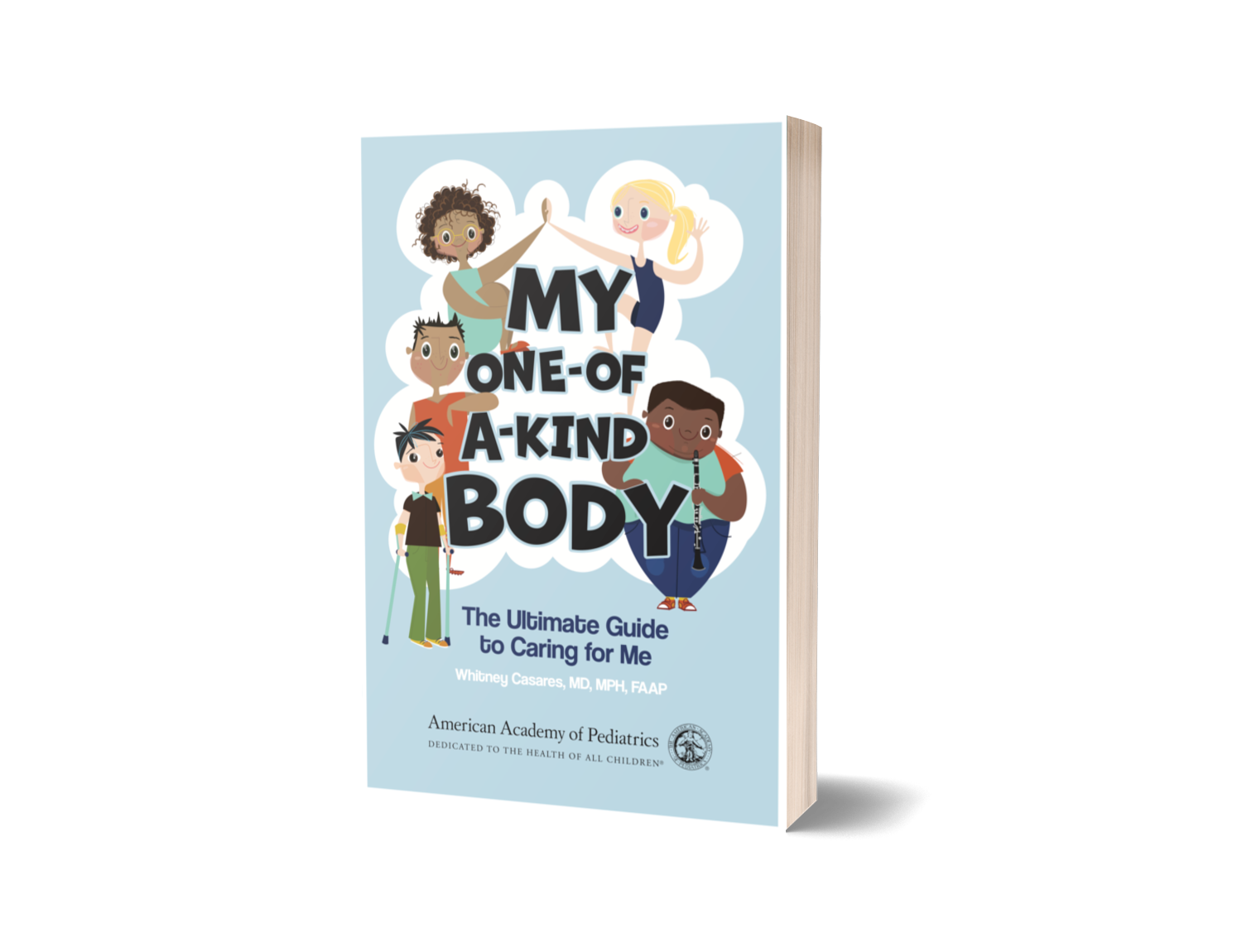
My Kids' Book on Body Confidence is Finally Here!


Wish your partner would do more to lessen your mental load?


Want to make self-care a priority but not sure how to?


SIGN UP FOR SUSTAINABLE SELF-CARE. IT'S FREE. CLICK HERE


FRESH

ON THE PODCAST


By Dr. Whitney December 17, 2025
About the Episode: In this episode, Dr. Whitney sits down with Dr. Jay Gargus and Dave Justus from NeuroQure to discuss the power of early clarity when it comes to autism detection and why earlier intervention can fundamentally change outcomes for childre n and families. Dr. Gargus explains the science behind early behavioral therapies and why their impact goes far beyond short-term skill-building. Research shows that early, evidence-based interventions can lead to measurable, lifelong improvements in IQ, so cial skills, independence, and educational placement, often determining whether a child can thrive in mainstream education or requires ongoing specialized support. The conversation also tackles a critical and often overlooked issue: access. Dave Justus shares the personal motivation behind NeuroQure’s work and explains why the test is being launched at cost, with installment plans and employer subsidies, while the team works toward insurance coverage. The goal is to prevent families from losing precious years waiting for answers. Together, they emphasize a hopeful message for parents: families don’t need to wait for a future “silver bullet.” We already have therapies that work and getting kids connected to them earlier can change the course of a lifetime. In this episode, we discuss: Why early autism detection leads to lifelong changes—not just short-term gains What a 17-point IQ difference actually means for education, independence, and quality of life How early intervention can shift developmental trajectories as early as 6 months The science and validation behind current autism therapies Why NeuroQure is pricing testing at cost while pursuing insurance coverage How early clarity can reduce long-term strain on families, schools, and healthcare systems This episode is a powerful reminder that timing matters and that early access to answers can make an extraordinary difference for children and the families who love them. About Our Guest: Dr. Jay Gargus, MD, PhD is a physician-scientist and nationally recognized expert in neurodevelopmental disorders, with decades of experience researching the biological underpinnings of autism. His work has focused on translating well-established science into meaningful, real-world interventions that can improve lifelong outcomes for children. Dr. Gargus emphasizes that early, evidence-based therapies are already available—and that connecting families to them sooner can fundamentally change developmental trajectories. Dave Justus is a parent and the founder of NeuroQure, whose work is driven by personal experience navigating delayed autism diagnosis and intervention. Motivated by the belief that early clarity can spare families years of uncertainty, Dave is focused on expanding access to early testing through cost-based pricing and ongoing efforts to secure insurance coverage. His mission is simple but powerful: ensure families don’t have to wait for answers that could change everything. Want to Start Raising Body-Confident Kids Today? 📘 Order the Book Order your copy of My One-of-a-Kind Body 👉 www.raisingbodyconfidentkids.com/books 🎁 Claim Your Free Bonus When you order on our site, you’ll also get access to a FREE video mini-course with five bite-sized lessons for parents. In just 25 minutes, you’ll walk away with: Simple, script-style ways to respond when your kid says, “I hate my thighs” How to talk about health without weight talk What to do when your own inner critic shows up How to interrupt diet culture at home The first step to raising a body-confident kid, even if you didn’t grow up as one 📩 Subscribe to The Modern Mommy Doc Podcast for more episodes on parenting with confidence and clarity. Leave a review using the hashtag #ModernMommyDoc.
By Dr. Whitney November 13, 2025
Stop being so busy, and start being more present.