MMD BLOG


CATEGORY:

PARENTING + PANDEMIC PARENTING

FAILED STATE: PARENTING IN THE AGE OF ZOOM

 Modern Mommy Doc


PUBLICATION DATE:

November 17, 2020

FAILED STATE: PARENTING IN THE AGE OF ZOOM

 Modern Mommy Doc

CATEGORY: PARENTING + PANDEMIC PARENTING

It was one of the highlights in an otherwise bleak year: That BBC interview when Professor Robert Kelly was candidly interrupted by one and then both of his young children while on live TV. Kelly himself seemed unimpressed by his children’s arrival, acknowledging their exuberant presence with only apologies to his colleague. But the rest of the world exploded with a bemused sense of relief. “Don’t sweat it,” all the comments, Tweets, and reshares seemed to say. “We’ve been there, too.”


And really, what parent hasn’t? Balancing motherhood and work has always been a topic with evolving answers. But doing it from home adds a layer of complexity that seems to frequently result in bloopers you couldn’t make up.


For my family, it wasn’t live TV — but it was a live classroom setting.


“Fart, flop, doodle!”


I was downstairs when I heard it.


“‘Fart, flop, doodle,’ I said!”


My 7-year-old and I had spent the previous 10 minutes trying to log on to her class’s Google Meet session, and I was coming off the adrenaline rush of trying to get it to work. Finally we were on! And then, as if on cue, my preschool daughter’s voice started booming from upstairs.


She was playing with her dolls, oblivious to the fact she was also on camera. Half-dressed, she came bounding down the stairs. “Lulu! Fart, flop, doodle to you!” It wasn’t just once in the background. Oh no. She repeated it over and over. And over.


I don’t know where the phrase, “Fart, flop, doodle,” came from. A show? A friend? Either way, an entire second-grade class suddenly got a very specific impression about the goings-on at the Casares household. It was my own Robert Kelly moment, and I had a choice. I could pretend like it wasn’t happening. I could excuse myself and sternly remove my younger daughter from the room. Or I could find the humor in this unique parenting moment.


Sheepishly, I grinned into the camera, shrugged my shoulders, and joined in the chorus of giggles.


A PANDEMIC PLUS?


If there is a silver lining to this pandemic, it may just be the wake-up call the rest of the world is having right now about how hard it is to raise happy kids while holding down a career. What caregivers have been doing forever, in other words, is now something a lot of people are discovering for the first time. The put-on-a-movie-so-I-can-take-this-call strategy. The schedule-the-Zoom-meeting-during-the-nap approach. The stay-up-until-midnight-working solution so you can spend most of the day caring for people who literally depend on you for survival.



Have I mentioned it before?

#MomsAreSuperheroines


But the real positive to emerge from this recognition is not the pat on the back. It’s the movement toward restructuring work so that it’s more conducive to family life. Big corporations, schools, small businesses — employers everywhere suddenly have more than just a moral imperative to offer flexible working conditions. They have a practical one.


The benefits of flexibility are manifold. Flexibility means parents don’t need to choose between love and duty, between family and work. In being supported in both, they can give their best to both. They can also let go of mommy (and daddy) guilt. This is an issue I address frequently because it’s so toxic, so pointless and…so pervasive. If national work-from-home movements take us one step closer to letting that go, I’m all for it.


Embracing a Growth Mindset


Of course, some days the hilarious antics don’t feel all that hilarious. Maybe you’re operating on four hours of interrupted sleep, or your toddler spilled juice one time too many. The fact is, sometimes we cry or yell instead of laugh. It happens. Honestly, when my preschooler walked in that day, I could’ve just as easily reacted with grim resignation, like Kelly, or embarrassed fluster, or even frustration. No one handles things perfectly all the time. The trick is recognizing your mistakes and then making them right.


The best way to do this? Do-overs.


  • Kids are people, too. Just as you would apologize to a friend if you lost your temper or handled something badly, apologize to your kids. It doesn’t need to be long or complicated. Phrases like, “I’m sorry,” or, “I wish I’d done it a different way,” or even, “Can I have a do-over?” teach kids how to correct a social mistake.


  • The benefits of modeling sincere apologies go beyond social niceties. As outlined by Carol S. Dweck in “Mindset,” learning to view imperfection as an opportunity for growth leads to more resilience.


  • Let your kids see it in action even when they’re not directly involved. If you have an argument with your partner (or friend or relative) in front of your kids, be sure they also see the two of you make it right. This process of coming back together and making up is a powerful model for how to behave.


And one final tip? Just make sure you switch off your computer or device when you’re done. Then you can go back to being as weird as you want.


Raising Body-Confident Kids Starts at the Doctor's Office!

START NOW
By Dr. Whitney December 17, 2025
About the Episode: In this episode, Dr. Whitney sits down with Dr. Jay Gargus and Dave Justus from NeuroQure to discuss the power of early clarity when it comes to autism detection and why earlier intervention can fundamentally change outcomes for childre n and families. Dr. Gargus explains the science behind early behavioral therapies and why their impact goes far beyond short-term skill-building. Research shows that early, evidence-based interventions can lead to measurable, lifelong improvements in IQ, so cial skills, independence, and educational placement, often determining whether a child can thrive in mainstream education or requires ongoing specialized support. The conversation also tackles a critical and often overlooked issue: access. Dave Justus shares the personal motivation behind NeuroQure’s work and explains why the test is being launched at cost, with installment plans and employer subsidies, while the team works toward insurance coverage. The goal is to prevent families from losing precious years waiting for answers. Together, they emphasize a hopeful message for parents: families don’t need to wait for a future “silver bullet.” We already have therapies that work and getting kids connected to them earlier can change the course of a lifetime. In this episode, we discuss: Why early autism detection leads to lifelong changes—not just short-term gains What a 17-point IQ difference actually means for education, independence, and quality of life How early intervention can shift developmental trajectories as early as 6 months The science and validation behind current autism therapies Why NeuroQure is pricing testing at cost while pursuing insurance coverage How early clarity can reduce long-term strain on families, schools, and healthcare systems This episode is a powerful reminder that timing matters and that early access to answers can make an extraordinary difference for children and the families who love them. About Our Guest: Dr. Jay Gargus, MD, PhD is a physician-scientist and nationally recognized expert in neurodevelopmental disorders, with decades of experience researching the biological underpinnings of autism. His work has focused on translating well-established science into meaningful, real-world interventions that can improve lifelong outcomes for children. Dr. Gargus emphasizes that early, evidence-based therapies are already available—and that connecting families to them sooner can fundamentally change developmental trajectories. Dave Justus is a parent and the founder of NeuroQure, whose work is driven by personal experience navigating delayed autism diagnosis and intervention. Motivated by the belief that early clarity can spare families years of uncertainty, Dave is focused on expanding access to early testing through cost-based pricing and ongoing efforts to secure insurance coverage. His mission is simple but powerful: ensure families don’t have to wait for answers that could change everything. Want to Start Raising Body-Confident Kids Today? 📘 Order the Book Order your copy of My One-of-a-Kind Body 👉 www.raisingbodyconfidentkids.com/books 🎁 Claim Your Free Bonus When you order on our site, you’ll also get access to a FREE video mini-course with five bite-sized lessons for parents. In just 25 minutes, you’ll walk away with: Simple, script-style ways to respond when your kid says, “I hate my thighs” How to talk about health without weight talk What to do when your own inner critic shows up How to interrupt diet culture at home The first step to raising a body-confident kid, even if you didn’t grow up as one 📩 Subscribe to The Modern Mommy Doc Podcast for more episodes on parenting with confidence and clarity. Leave a review using the hashtag #ModernMommyDoc.
By Dr. Whitney November 13, 2025
Stop being so busy, and start being more present.
By Dr. Whitney November 5, 2025
Starting out right with solids doesn't have to be so scary.
By Dr. Whitney October 29, 2025
What if YOU are the one who needs to calm down first?

Welcome! Get the information you need to win at parenting without losing yourself.

LEARN MORE

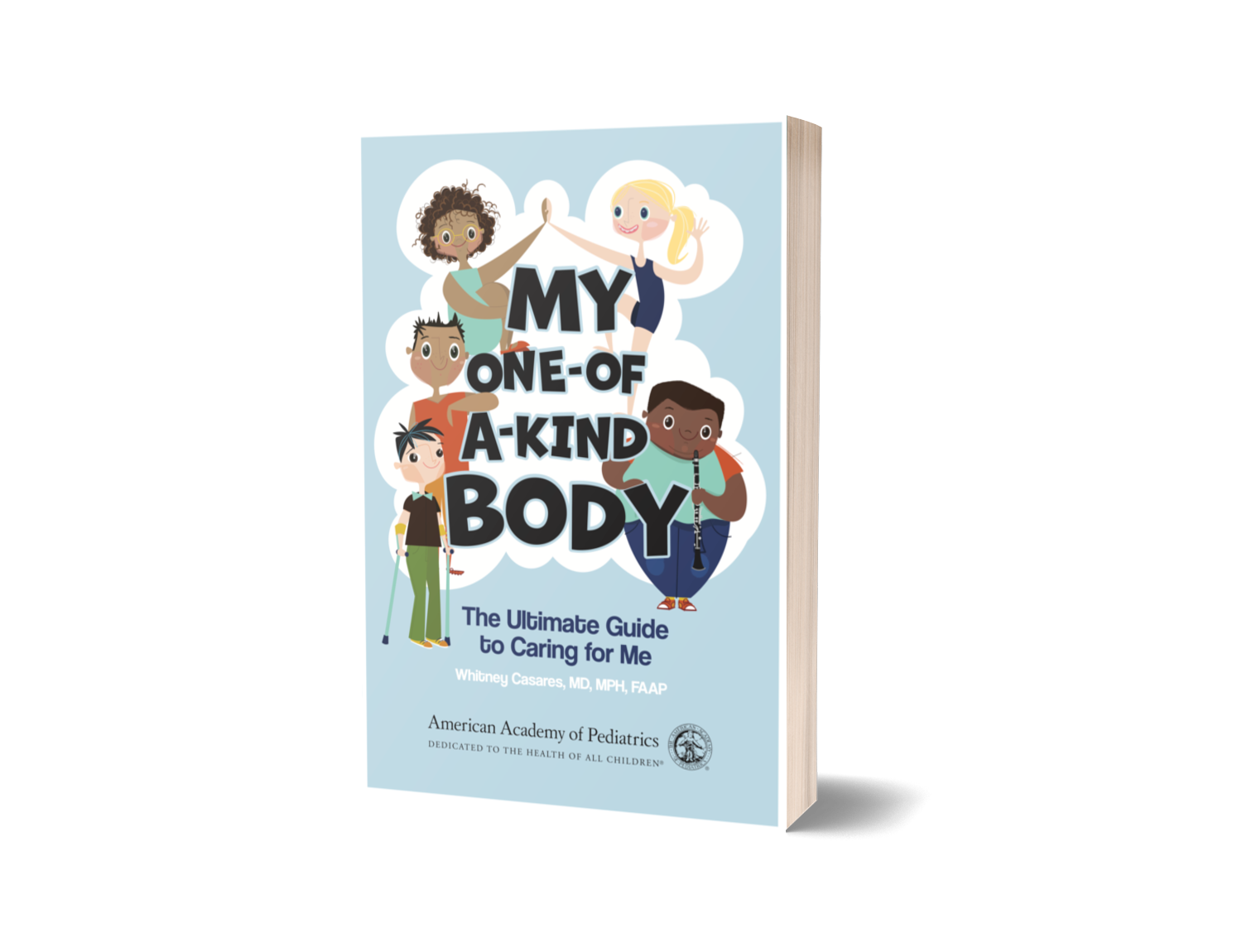
My Kids' Book on Body Confidence is Finally Here!


Wish your partner would do more to lessen your mental load?


Want to make self-care a priority but not sure how to?


SIGN UP FOR SUSTAINABLE SELF-CARE. IT'S FREE. CLICK HERE


FRESH

ON THE PODCAST


By Dr. Whitney December 17, 2025
About the Episode: In this episode, Dr. Whitney sits down with Dr. Jay Gargus and Dave Justus from NeuroQure to discuss the power of early clarity when it comes to autism detection and why earlier intervention can fundamentally change outcomes for childre n and families. Dr. Gargus explains the science behind early behavioral therapies and why their impact goes far beyond short-term skill-building. Research shows that early, evidence-based interventions can lead to measurable, lifelong improvements in IQ, so cial skills, independence, and educational placement, often determining whether a child can thrive in mainstream education or requires ongoing specialized support. The conversation also tackles a critical and often overlooked issue: access. Dave Justus shares the personal motivation behind NeuroQure’s work and explains why the test is being launched at cost, with installment plans and employer subsidies, while the team works toward insurance coverage. The goal is to prevent families from losing precious years waiting for answers. Together, they emphasize a hopeful message for parents: families don’t need to wait for a future “silver bullet.” We already have therapies that work and getting kids connected to them earlier can change the course of a lifetime. In this episode, we discuss: Why early autism detection leads to lifelong changes—not just short-term gains What a 17-point IQ difference actually means for education, independence, and quality of life How early intervention can shift developmental trajectories as early as 6 months The science and validation behind current autism therapies Why NeuroQure is pricing testing at cost while pursuing insurance coverage How early clarity can reduce long-term strain on families, schools, and healthcare systems This episode is a powerful reminder that timing matters and that early access to answers can make an extraordinary difference for children and the families who love them. About Our Guest: Dr. Jay Gargus, MD, PhD is a physician-scientist and nationally recognized expert in neurodevelopmental disorders, with decades of experience researching the biological underpinnings of autism. His work has focused on translating well-established science into meaningful, real-world interventions that can improve lifelong outcomes for children. Dr. Gargus emphasizes that early, evidence-based therapies are already available—and that connecting families to them sooner can fundamentally change developmental trajectories. Dave Justus is a parent and the founder of NeuroQure, whose work is driven by personal experience navigating delayed autism diagnosis and intervention. Motivated by the belief that early clarity can spare families years of uncertainty, Dave is focused on expanding access to early testing through cost-based pricing and ongoing efforts to secure insurance coverage. His mission is simple but powerful: ensure families don’t have to wait for answers that could change everything. Want to Start Raising Body-Confident Kids Today? 📘 Order the Book Order your copy of My One-of-a-Kind Body 👉 www.raisingbodyconfidentkids.com/books 🎁 Claim Your Free Bonus When you order on our site, you’ll also get access to a FREE video mini-course with five bite-sized lessons for parents. In just 25 minutes, you’ll walk away with: Simple, script-style ways to respond when your kid says, “I hate my thighs” How to talk about health without weight talk What to do when your own inner critic shows up How to interrupt diet culture at home The first step to raising a body-confident kid, even if you didn’t grow up as one 📩 Subscribe to The Modern Mommy Doc Podcast for more episodes on parenting with confidence and clarity. Leave a review using the hashtag #ModernMommyDoc.
By Dr. Whitney November 13, 2025
Stop being so busy, and start being more present.