MMD BLOG


CATEGORY:

HOUSEHOLD + MAMA WELLNESS

ALL THE SINGLE (-TASKING) LADIES

 Modern Mommy Doc


PUBLICATION DATE:

December 7, 2020

ALL THE SINGLE (-TASKING) LADIES

 Modern Mommy Doc

CATEGORY: HOUSEHOLD + MAMA WELLNESS

“The sausage is on fire!”


It was my husband’s weekend morning to sleep in, but no one was getting any shuteye after that announcement. My four-year-old was letting us all know that total destruction was just a package of breakfast meat away.


“It’s on fire!”


By that point, I had been up for about an hour trying to finish some paperwork, check a few emails, and play DJ for a toddler who wanted the Disney “Descendants 3” soundtrack (“No, ‘Descendants 2,’ Mama! No, ‘Descendants 1,’ Mama!”) all while making breakfast for the family.


Apparently, that was one (or two or three) tasks too many. As I was checking my phone, I glanced at the stove and saw a wisp of smoke curl toward the ceiling. The flame from the burner had licked the edge of the sausage packaging, and while “fire” was a bit of an exaggeration, I did have to move quickly to manage the situation.


Luckily for my family, we can find the humor in that situation now. But I’m not gonna lie — that moment was a wake-up call. Parents are notorious for trying to do it all. As a culture, we pride ourselves on good multitasking. But I’m here to make the case that finding balance in motherhood — and our lives in general — often comes down to our ability to single-task.


One and Done

The concept of single-tasking is almost groundbreaking in its simplicity. It means that we focus on one. Thing. At. A. Time. Imagine it! Instead of planning your holiday meal while doing some online gift shopping as you text your kids/partner/bestie…you could just sit down and focus all of your attention on one thing. Like making dinner. Or reading a book. Or cleaning out your closet for crying out loud!


Chances are this sounds appealing because it IS appealing on the most basic, biological level. Research shows that humans are essentially wired to accomplish one task before moving on to another.


What’s more, that virtuous feeling we get when we multitask is sort of delusional. According to the research, humans are horrible at multitasking. In fact, there’s no such thing. There’s just “task switching” — forcing our brains to turn our attention from one job to another, to another. This is both stressful and woefully unproductive. You can lose up to 40 percent of your productivity, in fact, when you try to do it.


Madness Versus Mindfulness


Now there are limits to single-tasking’s virtues. Sometimes it makes sense to task-switch, like when you’re trying to solve a problem and need to free up your brain a little bit so the answer can come to you. Or if you have a list of monotonous tasks to finish that don’t require much thought.


For the most part, the real reason we avoid single-tasking is that, while it sounds great, it’s hard to do.


Really hard.


As pediatric psychologist Kristin Valerius, Ph.D. pointed out during our podcast on screen time and kids, single-tasking often requires us to be alone with our thoughts. “Sometimes I think we’re kind of avoiding that alone time, that time to check in,” she says. “Like I’m afraid to be with myself and nothing else. Sometimes I think it’s just that dopamine has kind of addicted us to constant multitasking. Like our brain’s like, ‘I only got one thing going on. Give me some more! Give me some more!’”


As parents, forcing ourselves to slow down and focus on what we’re doing rather than how much we’re doing can feel foreign, almost indulgent. Especially at this time of year, when we’re trying to figure out how to make the season festive and fun as a pandemic rages on.


But stay with me on this one. Imagine being fully present with your kids while wrapping presents or baking. Imagine not thinking about your to-do list while watching TV or going for a walk with your partner. Imagine actually enjoying your life. Even when you’re just folding the laundry.




Steps to Single-Tasking:


Okay, so maybe loving laundry is a stretch. But you get the idea. Single-tasking is one part of a formula that leads to better, more mindful parenting and greater day-to-day joy. Multitasking might get more checks on your to-do list, but it strips the joy from the process.


So how do you go from multitasking to mindfulness?

Here are some simple steps to get you started:


1. Commit to turning off your phone during meals and while you’re driving.


2. Spend five to 20 minutes a day with each of your kids doing Special Time — focusing only on their agendas, not yours, and being fully present with them as they play or talk with you.


3. If you have a partner, divide and conquer the nighttime routine. One of you can get the kids ready for bed and tucked in while the other tackles the evening cleanup around the house. The next night, you can switch jobs. That gives you both less to do and more space to focus while doing it.


4. Check your email just three times a day. (Like at 9 a.m., noon, and 5 p.m.) Bonus points for turning off your notifications the rest of the time so you’re not tempted to sneak a peek.


5. Schedule mundane weekly tasks like laundry, paying bills, and meal planning for one day or at specific times. Doing it all at once lets you conserve time and makes it easier to focus.


6. Before transitioning between the end of your workday and entering the “home zone”, spend 10 to 15 minutes in your car or at your desk wrapping up loose ends and signing off for the night. Not having a to-do list hanging over your head will let you be more focused on your and your family’s needs.


And don’t forget to breathe! In fact, when you start to feel yourself tensing up or holding your breath, it’s your body’s way of telling you to slow down, to breathe deeply, to organize your thoughts, and to tackle your day head-on…one thing at a time, of course.


Raising Body-Confident Kids Starts at the Doctor's Office!

START NOW
By Dr. Whitney December 17, 2025
About the Episode: In this episode, Dr. Whitney sits down with Dr. Jay Gargus and Dave Justus from NeuroQure to discuss the power of early clarity when it comes to autism detection and why earlier intervention can fundamentally change outcomes for childre n and families. Dr. Gargus explains the science behind early behavioral therapies and why their impact goes far beyond short-term skill-building. Research shows that early, evidence-based interventions can lead to measurable, lifelong improvements in IQ, so cial skills, independence, and educational placement, often determining whether a child can thrive in mainstream education or requires ongoing specialized support. The conversation also tackles a critical and often overlooked issue: access. Dave Justus shares the personal motivation behind NeuroQure’s work and explains why the test is being launched at cost, with installment plans and employer subsidies, while the team works toward insurance coverage. The goal is to prevent families from losing precious years waiting for answers. Together, they emphasize a hopeful message for parents: families don’t need to wait for a future “silver bullet.” We already have therapies that work and getting kids connected to them earlier can change the course of a lifetime. In this episode, we discuss: Why early autism detection leads to lifelong changes—not just short-term gains What a 17-point IQ difference actually means for education, independence, and quality of life How early intervention can shift developmental trajectories as early as 6 months The science and validation behind current autism therapies Why NeuroQure is pricing testing at cost while pursuing insurance coverage How early clarity can reduce long-term strain on families, schools, and healthcare systems This episode is a powerful reminder that timing matters and that early access to answers can make an extraordinary difference for children and the families who love them. About Our Guest: Dr. Jay Gargus, MD, PhD is a physician-scientist and nationally recognized expert in neurodevelopmental disorders, with decades of experience researching the biological underpinnings of autism. His work has focused on translating well-established science into meaningful, real-world interventions that can improve lifelong outcomes for children. Dr. Gargus emphasizes that early, evidence-based therapies are already available—and that connecting families to them sooner can fundamentally change developmental trajectories. Dave Justus is a parent and the founder of NeuroQure, whose work is driven by personal experience navigating delayed autism diagnosis and intervention. Motivated by the belief that early clarity can spare families years of uncertainty, Dave is focused on expanding access to early testing through cost-based pricing and ongoing efforts to secure insurance coverage. His mission is simple but powerful: ensure families don’t have to wait for answers that could change everything. Want to Start Raising Body-Confident Kids Today? 📘 Order the Book Order your copy of My One-of-a-Kind Body 👉 www.raisingbodyconfidentkids.com/books 🎁 Claim Your Free Bonus When you order on our site, you’ll also get access to a FREE video mini-course with five bite-sized lessons for parents. In just 25 minutes, you’ll walk away with: Simple, script-style ways to respond when your kid says, “I hate my thighs” How to talk about health without weight talk What to do when your own inner critic shows up How to interrupt diet culture at home The first step to raising a body-confident kid, even if you didn’t grow up as one 📩 Subscribe to The Modern Mommy Doc Podcast for more episodes on parenting with confidence and clarity. Leave a review using the hashtag #ModernMommyDoc.
By Dr. Whitney November 13, 2025
Stop being so busy, and start being more present.
By Dr. Whitney November 5, 2025
Starting out right with solids doesn't have to be so scary.
By Dr. Whitney October 29, 2025
What if YOU are the one who needs to calm down first?

Welcome! Get the information you need to win at parenting without losing yourself.

LEARN MORE

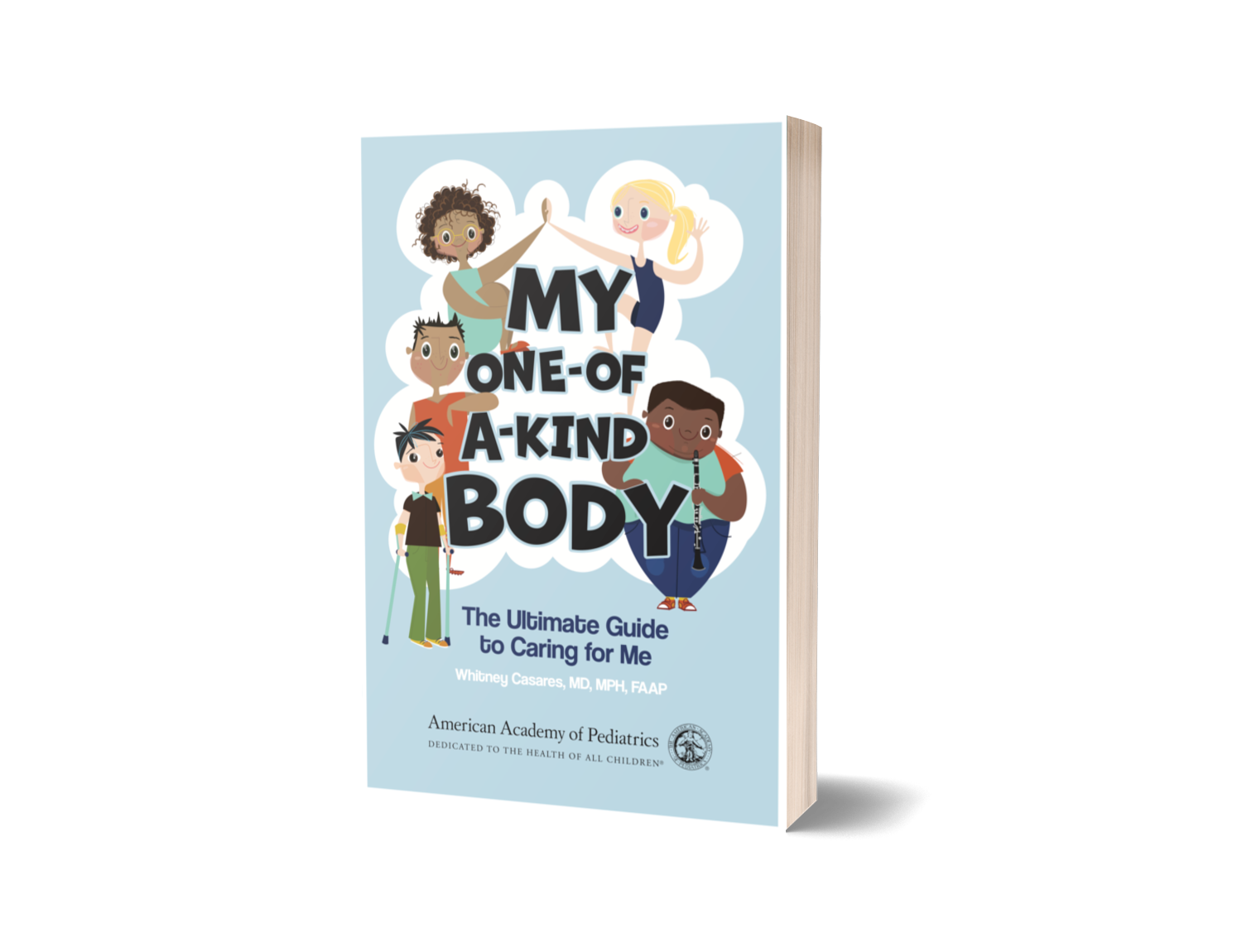
My Kids' Book on Body Confidence is Finally Here!


Wish your partner would do more to lessen your mental load?


Want to make self-care a priority but not sure how to?


SIGN UP FOR SUSTAINABLE SELF-CARE. IT'S FREE. CLICK HERE


FRESH

ON THE PODCAST


By Dr. Whitney December 17, 2025
About the Episode: In this episode, Dr. Whitney sits down with Dr. Jay Gargus and Dave Justus from NeuroQure to discuss the power of early clarity when it comes to autism detection and why earlier intervention can fundamentally change outcomes for childre n and families. Dr. Gargus explains the science behind early behavioral therapies and why their impact goes far beyond short-term skill-building. Research shows that early, evidence-based interventions can lead to measurable, lifelong improvements in IQ, so cial skills, independence, and educational placement, often determining whether a child can thrive in mainstream education or requires ongoing specialized support. The conversation also tackles a critical and often overlooked issue: access. Dave Justus shares the personal motivation behind NeuroQure’s work and explains why the test is being launched at cost, with installment plans and employer subsidies, while the team works toward insurance coverage. The goal is to prevent families from losing precious years waiting for answers. Together, they emphasize a hopeful message for parents: families don’t need to wait for a future “silver bullet.” We already have therapies that work and getting kids connected to them earlier can change the course of a lifetime. In this episode, we discuss: Why early autism detection leads to lifelong changes—not just short-term gains What a 17-point IQ difference actually means for education, independence, and quality of life How early intervention can shift developmental trajectories as early as 6 months The science and validation behind current autism therapies Why NeuroQure is pricing testing at cost while pursuing insurance coverage How early clarity can reduce long-term strain on families, schools, and healthcare systems This episode is a powerful reminder that timing matters and that early access to answers can make an extraordinary difference for children and the families who love them. About Our Guest: Dr. Jay Gargus, MD, PhD is a physician-scientist and nationally recognized expert in neurodevelopmental disorders, with decades of experience researching the biological underpinnings of autism. His work has focused on translating well-established science into meaningful, real-world interventions that can improve lifelong outcomes for children. Dr. Gargus emphasizes that early, evidence-based therapies are already available—and that connecting families to them sooner can fundamentally change developmental trajectories. Dave Justus is a parent and the founder of NeuroQure, whose work is driven by personal experience navigating delayed autism diagnosis and intervention. Motivated by the belief that early clarity can spare families years of uncertainty, Dave is focused on expanding access to early testing through cost-based pricing and ongoing efforts to secure insurance coverage. His mission is simple but powerful: ensure families don’t have to wait for answers that could change everything. Want to Start Raising Body-Confident Kids Today? 📘 Order the Book Order your copy of My One-of-a-Kind Body 👉 www.raisingbodyconfidentkids.com/books 🎁 Claim Your Free Bonus When you order on our site, you’ll also get access to a FREE video mini-course with five bite-sized lessons for parents. In just 25 minutes, you’ll walk away with: Simple, script-style ways to respond when your kid says, “I hate my thighs” How to talk about health without weight talk What to do when your own inner critic shows up How to interrupt diet culture at home The first step to raising a body-confident kid, even if you didn’t grow up as one 📩 Subscribe to The Modern Mommy Doc Podcast for more episodes on parenting with confidence and clarity. Leave a review using the hashtag #ModernMommyDoc.
By Dr. Whitney November 13, 2025
Stop being so busy, and start being more present.