MMD BLOG


CATEGORY:

WORKING MOMS + PARENTING

THE LIES WORKING MOMS BELIEVE: I’M A BAD MOM BECAUSE I BROUGHT STORE-BOUGHT COOKIES TO THE BAKE SALE

 Modern Mommy Doc


PUBLICATION DATE:

September 6, 2021

THE LIES WORKING MOMS BELIEVE: I’M A BAD MOM BECAUSE I BROUGHT STORE-BOUGHT COOKIES TO THE BAKE SALE

 Modern Mommy Doc

CATEGORY: WORKING MOMS + PARENTING

Each year when school would roll around, I used to have such grand plans of how THIS was going to be the year that I was finally going to be that mom for my daughter’s class. You know the one. She’s always at the school, bringing personalized treats to the teachers (that she obviously knows very well), is the chairperson of all the committees, and you can be absolutely sure that she brought homemade organic vegan brownies to the bakesale that everyone loves.


That was the dream.


Until about 2 days into the school year when that all fell to crap.


As working moms, that kind of investment into the school is basically impossible for us to do. And often we can feel (whether it’s self-imposed or the real or imagined judgment from other non-working parents) that the level of commitment we
can do is just not enough. Of all the places it seems working moms are like a square peg trying to fit into a round hole, forever not able to measure up or be fully present enough, it’s at school.


Like we’re holding our kids back or harming them because we’re working parents.


Even if I feel all purposeful about the choices I’ve made about saying yes to work, that lingering question of how it’s affecting my kids still hangs out in the back of my mind. The clanging, “you’re hurting your kids and your family” lie seems loudest whenever it has to do with my kids’ school experiences. 


As the queen Billie Eilish says,

“Stop. What the hell are you talking about?”


Before I even start talking about ways to manage the chaos that the school year can bring, we’ve got to bring some truth to this lie that we hear (mostly from our own self-talk) all the time. We tell ourselves the story that our kids are going to be scarred because we weren’t at every field trip or because a few days a week someone else picked them up from school. This isn’t me saying to work ALL the time and let your kids just deal with it.


Far from it.


But what I AM saying is that all moms are different. As a working mom, we give our kids distinctive learning opportunities, arm them with unique strengths, and show them what's important and what's not. That means we can be fully present for the things that really matter, like being attuned to their emotional and academic progress in school and helping them navigate friendships, but we can
absolutely let go of being the bake sale queen. Just buy the damn cookies. 


Repeat after me:
I’m the best mom for my kids not in spite of the fact that I work and have dreams, but because I do.


My kids are watching me all the time. They see me hustling hard to reach my goals and being 100% committed to my vision for myself and for them. No, I’m never going to crochet them intricate Halloween costumes (that’d be weird anyway) or greet them with homemade cookies in the afternoon, but I am going to give them a shining example of how to contribute to their communities and how to make a difference in the lives of other people. 


I’m going to show them that the best version of any girl, or of any mom, or of any person, for that matter, is the version that is unapologetically true to herself. Above all, I’m going to be completely invested in my children in the ways that really matter, teaching them the life skills they need to thrive; showing them that women can be nurturers, contributors, and all-out bosses at home and professionally; giving them support, attention, and unconditional love. 


You may work as a customer service agent at a call center and can show your kids how to extend grace and kindness even when others treat you unfairly or get frustrated. You might be an expert business executive who can teach your kids how to negotiate well for themselves, avoiding risky behaviors based on peer pressure down the line. Every working mom has some unique skill or superpower she’s imparting to her kids because she works, not in spite of it.


As your kids go back to school this year, I know we were hoping for a rewind back to a year and a half ago. That they could step back on campus like nothing had ever happened. For most kids, that’s not the case. There’s still masks and social-distancing, if your kid gets to attend in person school at all. Add on top of that the unique way the school year can stress out a mom, and it can be a recipe for meltdowns. How on earth do you keep track of it all when you can’t BE there all of the time?



Quick Tips for Staying Involved With Your Child’s School Life:


1) Sign up for email newsletter updates from the school so you can stay up to date on major happenings.


2) Designate a way to communicate with your child’s teacher effectively and efficiently; apps, email, and text all work well, depending on the situation.


3) Stay in the know by developing a community of other parents you know and trust.


4) Sign up to volunteer only if it works for your schedule and if you have enough bandwidth to handle it.


5) Ask ahead of time about special field trips and classroom events on the calendar so you can pre plan and see which ones your schedule will allow you to attend.



Sign Up

Raising Body-Confident Kids Starts at the Doctor's Office!

START NOW
By Dr. Whitney December 17, 2025
About the Episode: In this episode, Dr. Whitney sits down with Dr. Jay Gargus and Dave Justus from NeuroQure to discuss the power of early clarity when it comes to autism detection and why earlier intervention can fundamentally change outcomes for childre n and families. Dr. Gargus explains the science behind early behavioral therapies and why their impact goes far beyond short-term skill-building. Research shows that early, evidence-based interventions can lead to measurable, lifelong improvements in IQ, so cial skills, independence, and educational placement, often determining whether a child can thrive in mainstream education or requires ongoing specialized support. The conversation also tackles a critical and often overlooked issue: access. Dave Justus shares the personal motivation behind NeuroQure’s work and explains why the test is being launched at cost, with installment plans and employer subsidies, while the team works toward insurance coverage. The goal is to prevent families from losing precious years waiting for answers. Together, they emphasize a hopeful message for parents: families don’t need to wait for a future “silver bullet.” We already have therapies that work and getting kids connected to them earlier can change the course of a lifetime. In this episode, we discuss: Why early autism detection leads to lifelong changes—not just short-term gains What a 17-point IQ difference actually means for education, independence, and quality of life How early intervention can shift developmental trajectories as early as 6 months The science and validation behind current autism therapies Why NeuroQure is pricing testing at cost while pursuing insurance coverage How early clarity can reduce long-term strain on families, schools, and healthcare systems This episode is a powerful reminder that timing matters and that early access to answers can make an extraordinary difference for children and the families who love them. About Our Guest: Dr. Jay Gargus, MD, PhD is a physician-scientist and nationally recognized expert in neurodevelopmental disorders, with decades of experience researching the biological underpinnings of autism. His work has focused on translating well-established science into meaningful, real-world interventions that can improve lifelong outcomes for children. Dr. Gargus emphasizes that early, evidence-based therapies are already available—and that connecting families to them sooner can fundamentally change developmental trajectories. Dave Justus is a parent and the founder of NeuroQure, whose work is driven by personal experience navigating delayed autism diagnosis and intervention. Motivated by the belief that early clarity can spare families years of uncertainty, Dave is focused on expanding access to early testing through cost-based pricing and ongoing efforts to secure insurance coverage. His mission is simple but powerful: ensure families don’t have to wait for answers that could change everything. Want to Start Raising Body-Confident Kids Today? 📘 Order the Book Order your copy of My One-of-a-Kind Body 👉 www.raisingbodyconfidentkids.com/books 🎁 Claim Your Free Bonus When you order on our site, you’ll also get access to a FREE video mini-course with five bite-sized lessons for parents. In just 25 minutes, you’ll walk away with: Simple, script-style ways to respond when your kid says, “I hate my thighs” How to talk about health without weight talk What to do when your own inner critic shows up How to interrupt diet culture at home The first step to raising a body-confident kid, even if you didn’t grow up as one 📩 Subscribe to The Modern Mommy Doc Podcast for more episodes on parenting with confidence and clarity. Leave a review using the hashtag #ModernMommyDoc.
By Dr. Whitney November 13, 2025
Stop being so busy, and start being more present.
By Dr. Whitney November 5, 2025
Starting out right with solids doesn't have to be so scary.
By Dr. Whitney October 29, 2025
What if YOU are the one who needs to calm down first?

Welcome! Get the information you need to win at parenting without losing yourself.

LEARN MORE

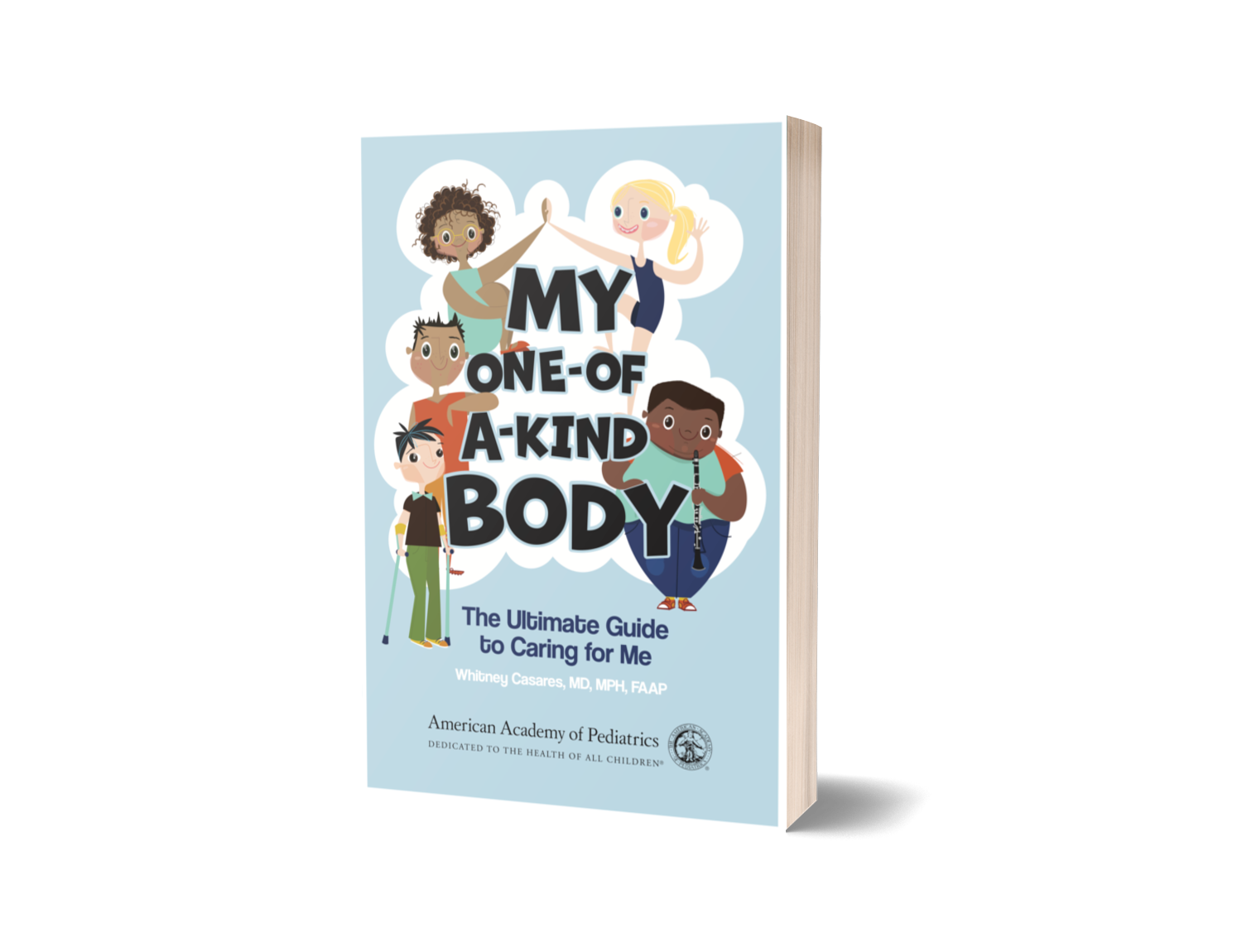
My Kids' Book on Body Confidence is Finally Here!


Wish your partner would do more to lessen your mental load?


Want to make self-care a priority but not sure how to?


SIGN UP FOR SUSTAINABLE SELF-CARE. IT'S FREE. CLICK HERE


FRESH

ON THE PODCAST


By Dr. Whitney December 17, 2025
About the Episode: In this episode, Dr. Whitney sits down with Dr. Jay Gargus and Dave Justus from NeuroQure to discuss the power of early clarity when it comes to autism detection and why earlier intervention can fundamentally change outcomes for childre n and families. Dr. Gargus explains the science behind early behavioral therapies and why their impact goes far beyond short-term skill-building. Research shows that early, evidence-based interventions can lead to measurable, lifelong improvements in IQ, so cial skills, independence, and educational placement, often determining whether a child can thrive in mainstream education or requires ongoing specialized support. The conversation also tackles a critical and often overlooked issue: access. Dave Justus shares the personal motivation behind NeuroQure’s work and explains why the test is being launched at cost, with installment plans and employer subsidies, while the team works toward insurance coverage. The goal is to prevent families from losing precious years waiting for answers. Together, they emphasize a hopeful message for parents: families don’t need to wait for a future “silver bullet.” We already have therapies that work and getting kids connected to them earlier can change the course of a lifetime. In this episode, we discuss: Why early autism detection leads to lifelong changes—not just short-term gains What a 17-point IQ difference actually means for education, independence, and quality of life How early intervention can shift developmental trajectories as early as 6 months The science and validation behind current autism therapies Why NeuroQure is pricing testing at cost while pursuing insurance coverage How early clarity can reduce long-term strain on families, schools, and healthcare systems This episode is a powerful reminder that timing matters and that early access to answers can make an extraordinary difference for children and the families who love them. About Our Guest: Dr. Jay Gargus, MD, PhD is a physician-scientist and nationally recognized expert in neurodevelopmental disorders, with decades of experience researching the biological underpinnings of autism. His work has focused on translating well-established science into meaningful, real-world interventions that can improve lifelong outcomes for children. Dr. Gargus emphasizes that early, evidence-based therapies are already available—and that connecting families to them sooner can fundamentally change developmental trajectories. Dave Justus is a parent and the founder of NeuroQure, whose work is driven by personal experience navigating delayed autism diagnosis and intervention. Motivated by the belief that early clarity can spare families years of uncertainty, Dave is focused on expanding access to early testing through cost-based pricing and ongoing efforts to secure insurance coverage. His mission is simple but powerful: ensure families don’t have to wait for answers that could change everything. Want to Start Raising Body-Confident Kids Today? 📘 Order the Book Order your copy of My One-of-a-Kind Body 👉 www.raisingbodyconfidentkids.com/books 🎁 Claim Your Free Bonus When you order on our site, you’ll also get access to a FREE video mini-course with five bite-sized lessons for parents. In just 25 minutes, you’ll walk away with: Simple, script-style ways to respond when your kid says, “I hate my thighs” How to talk about health without weight talk What to do when your own inner critic shows up How to interrupt diet culture at home The first step to raising a body-confident kid, even if you didn’t grow up as one 📩 Subscribe to The Modern Mommy Doc Podcast for more episodes on parenting with confidence and clarity. Leave a review using the hashtag #ModernMommyDoc.
By Dr. Whitney November 13, 2025
Stop being so busy, and start being more present.