MMD BLOG


CATEGORY:

WORKING MOMS + FAMILY

SELF-CARE FOR MOMS | HOW TO MAKE YOUR PARENTING MORE BALANCED AND LESS FRUSTRATING

 Modern Mommy Doc


PUBLICATION DATE:

October 29, 2018

SELF-CARE FOR MOMS | HOW TO MAKE YOUR PARENTING MORE BALANCED AND LESS FRUSTRATING

 Modern Mommy Doc

CATEGORY: WORKING MOMS + FAMILY

My youngest daughter is mad and she’s not going to take it anymore. She knows she’s in hand-me-down clothes, she can tell that her sister’s school day takes priority over any type of schedule she may have. She has been dragged around in way too many cars on way too many errands for way too long. She's starting to question our parenting.


Enter a major temptation: Even-Steven Parenting—an attempt to be, not just more fair, but exactly fair. You know the concept: let’s make everything exactly the same for everyone. It’s a way for moms and dads to level the playing field for all of their kids. I heard my daughters start to use it last week whenever they felt jealous or frustrated. It became code for “Things are not exactly equal and that is not okay with me.”


Even-Steven Parenting and Our Kids


I’m not sure where my kids learned about even-steven fairness. Maybe my nanny (she’s amazing BTW- check out my guide for finding an awesome caretaker here)? Maybe a grandparent? 


Before I could say, “antiquated parenting!” the girls were throwing the even-steven term in my face on the regular. One had a toy? The other needed the same one. One got to go paint pottery? The other needed an art playdate as well. One sat on my lap at dinner? The other stomped over and shouted “EVEN-STEVEN!!!!” at the top of her lungs.


On the surface, Even-Steven Parenting seemed like an easy fix to a lot of squabbles and, don’t get me wrong, I’m all for having equity within my house. It doesn’t make sense to make one child feel like they’re getting the short end of the stick all the time. We definitely don’t want kids overcompensating by acting out, breaking down or withdrawing because they feel like they don’t have the love and support of the people who are supposed to care about them most. 


There’s a problem with an even-steven approach, though. It, inevitably, leads to a ton of scorekeeping. It insinuates that things should and can always be fair. The problem? We all know that life is not fair. Sometimes we don’t all get a trophy just for showing up (or at least we shouldn’t). 


Even-Steven Parenting and Our Partners


For all you mamas with a co-parent, the same goes for our parenting partner relationships. If I asked you to keep a tally of who does more —you or your partner —to make your family run, I know you would be like PLEASE BRING IT ON. I'M GOING TO WIN EVERY TIME. I mean, that’s incredibly true in my own home—one where my husband and I both work full-time, where I’m the breadwinner, where I consider myself a very liberated, modern mom. I realize there are all types of family structures and I know some advanced, enlightened families where this is not the case but, for 99.999999% of women out there, this is the reality. Think about the laundry detergent ordering, the sleep training, the lunch making, the playdate arranging that you do. If you kept score, it would be a total shutout.


But here’s the nasty secret we all forget sometimes. The scorekeeping doesn’t help us, it hurts us because scorekeeping doesn’t change the score, it just adds another task to our long lists of to-dos and builds heaps and heaps of resentment along the way. 


Another Approach:


Instead of keeping score, what if we set up expectations along strength lines for division of labor with our partners? What if we decided on the tasks we would each be responsible for and then we each just let go of the things that weren’t on our individual to-do lists? How about if, when one person got overwhelmed, we stepped in like any teammate on any team would do?


Here's where I wanted to shine it on when I wrote this blog—to act like I do this perfectly in my own home all the time. But, as I sat there writing and re-writing some fake version of how I have it all figured out and you should, too, I finally just erased my whole first draft. I'm assuming you came here for some honesty, so that's what I'm going to give you:


My partner and I, we're a work in progress in this area. Sometimes I feel like my husband thinks he's "babysitting" or "helping me out," instead of co-parenting. Sometimes he says he feels like I can't let go of being the family boss. If he had more freedom and less criticism when it came to his parenting decisions, he would feel more ownership and would be more motivated to step up in his co-team leader role.


Despite centruries—no milleniums—of societal norms, we continue to strive toward the idea that gender should make no difference when it comes to caring for our kids (kinda like how it didn’t make a difference when I promoted him to soother-in-chief during the newborn period).



The Principles We (Try Our Best to) Parent By:


  • Letting each other parent as much as possible without co-parent oversight (as long as the other person is not doing something obviously detrimental or potentially abusive — there is a time and a place for stepping in),


  • Setting expectations that we'll each get some time to ourselves throughout the week while the other person takes on a caretaker-in-chief role,


  • Paying attention to how we're both doing in terms of rest and stress, and


  • Stepping in when we can tell the other person is overwhelmed or overworked.


  • An Even-Steven Approach to Self-Care


So much of successful parenting (and especially successful mothering) is about filtering out all the junk the world tells us we need to accomplish in the course of a day, a week, a year. If you caught our blog last week, we talked all about how to filter). Even when it comes to self-care, sometimes we self-sabotage by thinking we need to be balanced in every area of our life at all times. Instead, consider doing less but being more—with our kids and with ourselves. Consider only focusing on a few top priorities when it comes to self-care (I let exercise, my passion projects, and travel top my list, while a perfectly-kept home, a hopping social calendar, and a completely perfect appearance aren’t always on my mind). 


Reality Check:


We are the first generation of moms who are trying to and are expected to “do it all.” We’re forging a new path as we parent and as we partner. It’s a path where gender roles don’t necessarily define tasks and responsibilities, STRENGTHS do—one where things aren’t always even or completely balanced—for our kids or for ourselves. Are you playing even-steven games all stinkin’ day long as you work alongside your partner to take care of your kids and your life? Maybe “Tag You’re It” or “Let’s Sit Down and Talk About Ways We Can Run a House Together Since We’re Both Modern Parents” would work better in the long term. Those games sure sound like more fun to me.



Raising Body-Confident Kids Starts at the Doctor's Office!

START NOW
By Dr. Whitney December 17, 2025
About the Episode: In this episode, Dr. Whitney sits down with Dr. Jay Gargus and Dave Justus from NeuroQure to discuss the power of early clarity when it comes to autism detection and why earlier intervention can fundamentally change outcomes for childre n and families. Dr. Gargus explains the science behind early behavioral therapies and why their impact goes far beyond short-term skill-building. Research shows that early, evidence-based interventions can lead to measurable, lifelong improvements in IQ, so cial skills, independence, and educational placement, often determining whether a child can thrive in mainstream education or requires ongoing specialized support. The conversation also tackles a critical and often overlooked issue: access. Dave Justus shares the personal motivation behind NeuroQure’s work and explains why the test is being launched at cost, with installment plans and employer subsidies, while the team works toward insurance coverage. The goal is to prevent families from losing precious years waiting for answers. Together, they emphasize a hopeful message for parents: families don’t need to wait for a future “silver bullet.” We already have therapies that work and getting kids connected to them earlier can change the course of a lifetime. In this episode, we discuss: Why early autism detection leads to lifelong changes—not just short-term gains What a 17-point IQ difference actually means for education, independence, and quality of life How early intervention can shift developmental trajectories as early as 6 months The science and validation behind current autism therapies Why NeuroQure is pricing testing at cost while pursuing insurance coverage How early clarity can reduce long-term strain on families, schools, and healthcare systems This episode is a powerful reminder that timing matters and that early access to answers can make an extraordinary difference for children and the families who love them. About Our Guest: Dr. Jay Gargus, MD, PhD is a physician-scientist and nationally recognized expert in neurodevelopmental disorders, with decades of experience researching the biological underpinnings of autism. His work has focused on translating well-established science into meaningful, real-world interventions that can improve lifelong outcomes for children. Dr. Gargus emphasizes that early, evidence-based therapies are already available—and that connecting families to them sooner can fundamentally change developmental trajectories. Dave Justus is a parent and the founder of NeuroQure, whose work is driven by personal experience navigating delayed autism diagnosis and intervention. Motivated by the belief that early clarity can spare families years of uncertainty, Dave is focused on expanding access to early testing through cost-based pricing and ongoing efforts to secure insurance coverage. His mission is simple but powerful: ensure families don’t have to wait for answers that could change everything. Want to Start Raising Body-Confident Kids Today? 📘 Order the Book Order your copy of My One-of-a-Kind Body 👉 www.raisingbodyconfidentkids.com/books 🎁 Claim Your Free Bonus When you order on our site, you’ll also get access to a FREE video mini-course with five bite-sized lessons for parents. In just 25 minutes, you’ll walk away with: Simple, script-style ways to respond when your kid says, “I hate my thighs” How to talk about health without weight talk What to do when your own inner critic shows up How to interrupt diet culture at home The first step to raising a body-confident kid, even if you didn’t grow up as one 📩 Subscribe to The Modern Mommy Doc Podcast for more episodes on parenting with confidence and clarity. Leave a review using the hashtag #ModernMommyDoc.
By Dr. Whitney November 13, 2025
Stop being so busy, and start being more present.
By Dr. Whitney November 5, 2025
Starting out right with solids doesn't have to be so scary.
By Dr. Whitney October 29, 2025
What if YOU are the one who needs to calm down first?

Welcome! Get the information you need to win at parenting without losing yourself.

LEARN MORE

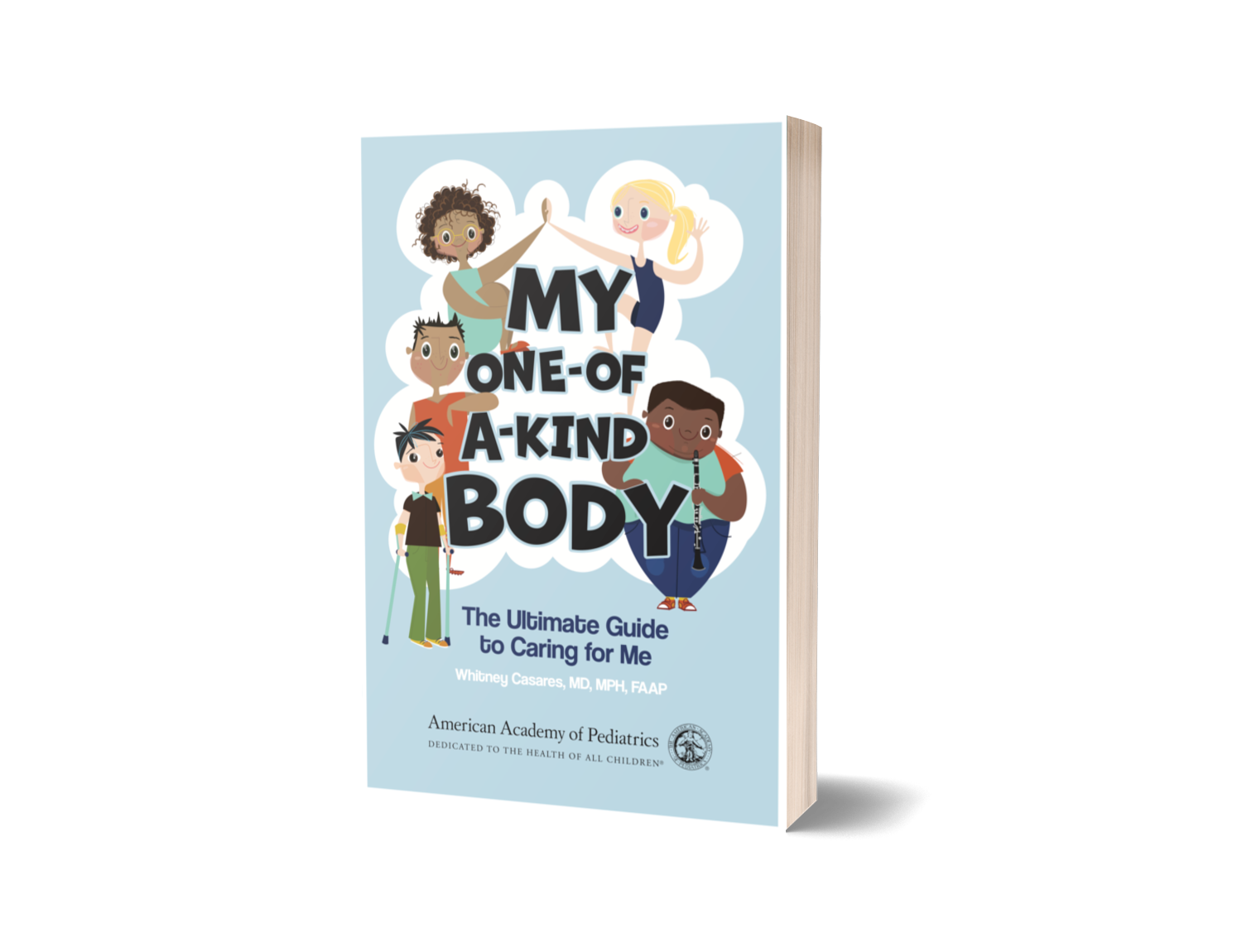
My Kids' Book on Body Confidence is Finally Here!


Wish your partner would do more to lessen your mental load?


Want to make self-care a priority but not sure how to?


SIGN UP FOR SUSTAINABLE SELF-CARE. IT'S FREE. CLICK HERE


FRESH

ON THE PODCAST


By Dr. Whitney December 17, 2025
About the Episode: In this episode, Dr. Whitney sits down with Dr. Jay Gargus and Dave Justus from NeuroQure to discuss the power of early clarity when it comes to autism detection and why earlier intervention can fundamentally change outcomes for childre n and families. Dr. Gargus explains the science behind early behavioral therapies and why their impact goes far beyond short-term skill-building. Research shows that early, evidence-based interventions can lead to measurable, lifelong improvements in IQ, so cial skills, independence, and educational placement, often determining whether a child can thrive in mainstream education or requires ongoing specialized support. The conversation also tackles a critical and often overlooked issue: access. Dave Justus shares the personal motivation behind NeuroQure’s work and explains why the test is being launched at cost, with installment plans and employer subsidies, while the team works toward insurance coverage. The goal is to prevent families from losing precious years waiting for answers. Together, they emphasize a hopeful message for parents: families don’t need to wait for a future “silver bullet.” We already have therapies that work and getting kids connected to them earlier can change the course of a lifetime. In this episode, we discuss: Why early autism detection leads to lifelong changes—not just short-term gains What a 17-point IQ difference actually means for education, independence, and quality of life How early intervention can shift developmental trajectories as early as 6 months The science and validation behind current autism therapies Why NeuroQure is pricing testing at cost while pursuing insurance coverage How early clarity can reduce long-term strain on families, schools, and healthcare systems This episode is a powerful reminder that timing matters and that early access to answers can make an extraordinary difference for children and the families who love them. About Our Guest: Dr. Jay Gargus, MD, PhD is a physician-scientist and nationally recognized expert in neurodevelopmental disorders, with decades of experience researching the biological underpinnings of autism. His work has focused on translating well-established science into meaningful, real-world interventions that can improve lifelong outcomes for children. Dr. Gargus emphasizes that early, evidence-based therapies are already available—and that connecting families to them sooner can fundamentally change developmental trajectories. Dave Justus is a parent and the founder of NeuroQure, whose work is driven by personal experience navigating delayed autism diagnosis and intervention. Motivated by the belief that early clarity can spare families years of uncertainty, Dave is focused on expanding access to early testing through cost-based pricing and ongoing efforts to secure insurance coverage. His mission is simple but powerful: ensure families don’t have to wait for answers that could change everything. Want to Start Raising Body-Confident Kids Today? 📘 Order the Book Order your copy of My One-of-a-Kind Body 👉 www.raisingbodyconfidentkids.com/books 🎁 Claim Your Free Bonus When you order on our site, you’ll also get access to a FREE video mini-course with five bite-sized lessons for parents. In just 25 minutes, you’ll walk away with: Simple, script-style ways to respond when your kid says, “I hate my thighs” How to talk about health without weight talk What to do when your own inner critic shows up How to interrupt diet culture at home The first step to raising a body-confident kid, even if you didn’t grow up as one 📩 Subscribe to The Modern Mommy Doc Podcast for more episodes on parenting with confidence and clarity. Leave a review using the hashtag #ModernMommyDoc.
By Dr. Whitney November 13, 2025
Stop being so busy, and start being more present.