MMD BLOG


CATEGORY:

PARENTING + CO-PARENTING

PARENTING TIPS | 4 WAYS TO MAKE YOUR PARENTING MORE PEACEFUL

 Modern Mommy Doc


PUBLICATION DATE:

May 7, 2018

PARENTING TIPS | 4 WAYS TO MAKE YOUR PARENTING MORE PEACEFUL

 Modern Mommy Doc

CATEGORY: PARENTING + CO-PARENTING

My house is anything but peaceful these days. The toys seem to multiply on the floor, despite my valiant attempts to keep them organized. The trash and recycling bins fill up with diapers and food scraps the moment I empty them. My kids are at high volume and high intensity most of the time. In fact, I would call it chaotic. With a preschooler and a toddler running around, we have our hands full (if you have young kids and could use some guidance, you can find our toddler tantrum guide here, by the way). Sound familiar?


Here are some parenting tips on how to make your life more peaceful.


Last night, my husband looked at me with weary eyes as we attempted to wrangle our girls at dinner. Our littlest was trying with all her might to stand on the table, the eldest whining bitterly about her vegetable options. “Why is it always like this with them?” he asked.


There are moments when I’m brought to tears by a question like that. At times I feel just as discouraged and tired of the constant mayhem our young girls bring to our lives as everyone else. I am by no means perfect at being peaceful. Take last week, when, after explaining to my big girl for about 20 minutes that she needed to pay attention to her sister's signals and emotions, I almost lost it. ("Honey, when you hug her tightly and she screams in terror, she is trying to tell you she needs space.")


But, I’ve learned a few parenting tips and tricks to stay peaceful and present when things get hectic (read: most days). Tricks that I wish someone had told me before I ever became a mommy in the first place.





Peaceful Parenting Doesn’t Happen By Accident
—It Takes Intention


Sure, there are zen master mamas out there who can’t imagine being bothered by the sounds of multiple screaming children. Or worst, multiple screaming children screaming in unison. Those ladies are few and far between. That's definitely not me—if their tendency is toward calm, mine is toward mental overload. So, for all of us who weren’t born relaxed, getting more responsive to our babies or children (versus reactive) takes a whole lotta effort and practice. Why? It’s EASIER to get all riled up. It’s what our bodies do naturally, as part of a fight or flight response to perceived danger.


The only problem is, when our infants wail or our toddlers flop themselves on the ground in protest, even though it’s not usually an emergency or dangerous, our bodies can’t tell we have a false alarm on our hands. Instead, our bodies do what they normally do when we sense danger—our heart rates go up, our blood pressures rise, we get hyper-focused and intense.


Teaching ourselves to relax, to calm down and to make conscious decisions about how we’ll parent takes, sometimes, overriding our natural systems’ tendencies.


It can take awhile to learn how to do that. So, if you’re a new parent (or even a parent-to-be already worked up about the whole kid thing), don’t throw in the towel right away if it takes you weeks, even months or years to get the hang of it. Read about how to get mindful. Practice, practice, practice. And forgive yourself when you mess up (‘cause you’re, inevitably, going to).


1 - Peaceful Parenting Takes Self-Care


There is absolutely no way for a parent—new or experienced—to parent peacefully without taking care of themselves on a regular basis. Our kids notice when we’re stressed—they feel it, their little neurons pick up on it. They also notice when we’re content, balanced, and relaxed.


Yep, there is no faking it when it comes to setting a good example for our children: self-care takes time, commitment, and a realization that, in the end, we’ll have a lot more family joy if we find joy first ourselves.


2 - Peaceful Parenting Takes Partnership


Motherhood was never meant to be attempted in a box, by ourselves, without the help of, literally, a village. But, we try too often to muscle through it alone, ignoring the input or the assistance of others. Or, we rely on superficial social media connections. The truth is if you’re going to be a peaceful parent, it’s going to take community—friends, family, or a partner (or all three!)—sharing the hardships and the celebrations of raising small children in real, face-to-face interactions.


3 - Peaceful Parenting Takes Perspective

+Education


So many moms and dads I see in clinic seem shocked as each developmental stage comes along. They are surprised by cluster feeding and colic, worried by stranger danger, and perplexed by toddler tantrums. My best advice? Read ahead! Get a baseline understanding of what’s to come for your child developmentally from reputable sources. If you're still pregnant, invest in information.


Your baby or toddler may not have all the same challenges as her peers, but she’s bound to have at least some of them! The more you know, the more you will feel empowered and ready to face those “Why are they like this all the time?” moments with confidence.


The chaos in my house is not changing any time soon. When someone asks me how my girls are, I tend to say, “Well, it was touch and go there last week but today we’re all hanging in there.” Because it’s true. And real. And, it’s also true that, in the middle of the hot mess I awake to so often, there’s peace—not around me, but inside. Or at least I'm moving in that direction.


Check out our Self-Care, Newborn and Parenting Courses here.


Raising Body-Confident Kids Starts at the Doctor's Office!

START NOW
By Dr. Whitney December 17, 2025
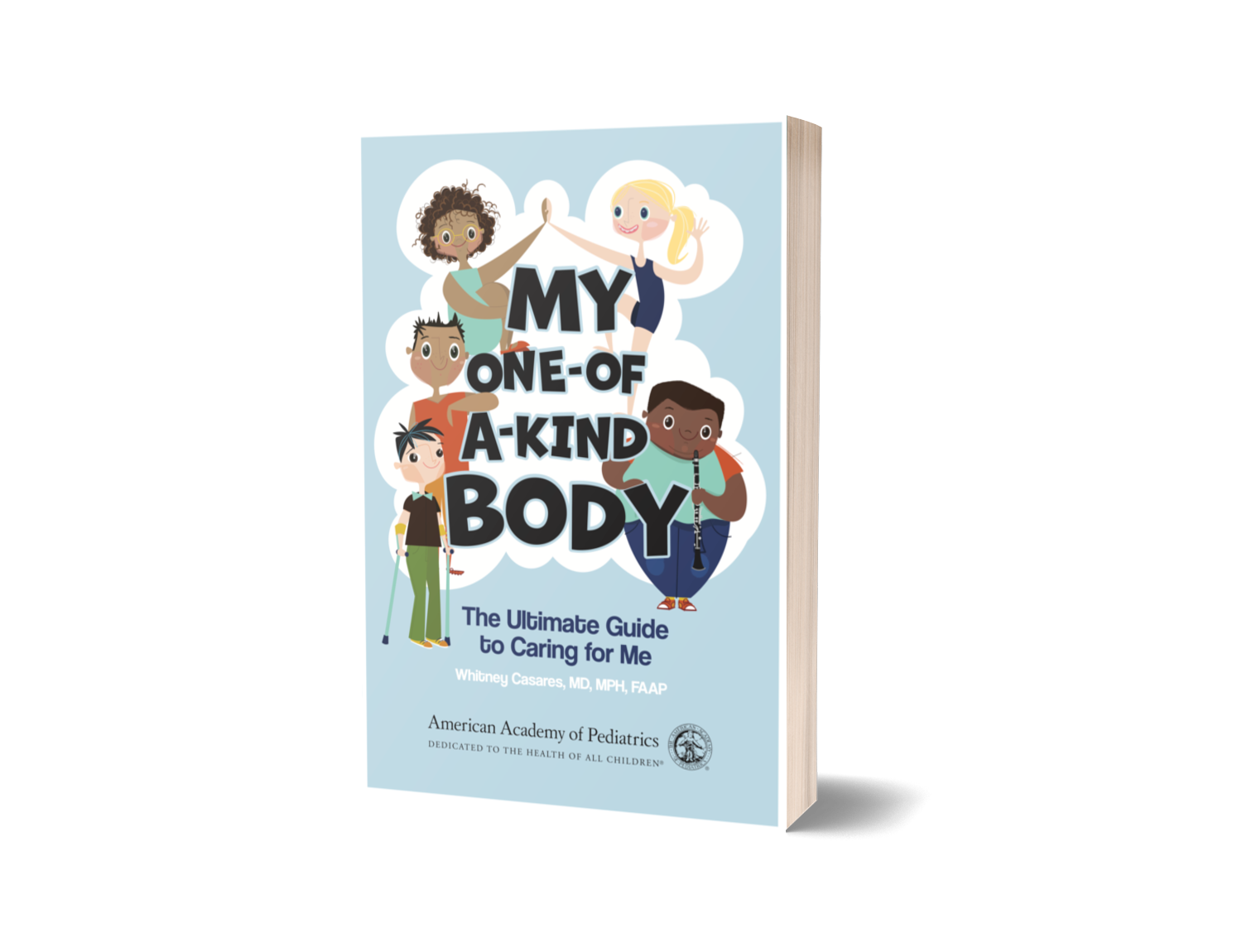
About the Episode: In this episode, Dr. Whitney sits down with Dr. Jay Gargus and Dave Justus from NeuroQure to discuss the power of early clarity when it comes to autism detection and why earlier intervention can fundamentally change outcomes for childre n and families. Dr. Gargus explains the science behind early behavioral therapies and why their impact goes far beyond short-term skill-building. Research shows that early, evidence-based interventions can lead to measurable, lifelong improvements in IQ, so cial skills, independence, and educational placement, often determining whether a child can thrive in mainstream education or requires ongoing specialized support. The conversation also tackles a critical and often overlooked issue: access. Dave Justus shares the personal motivation behind NeuroQure’s work and explains why the test is being launched at cost, with installment plans and employer subsidies, while the team works toward insurance coverage. The goal is to prevent families from losing precious years waiting for answers. Together, they emphasize a hopeful message for parents: families don’t need to wait for a future “silver bullet.” We already have therapies that work and getting kids connected to them earlier can change the course of a lifetime. In this episode, we discuss: Why early autism detection leads to lifelong changes—not just short-term gains What a 17-point IQ difference actually means for education, independence, and quality of life How early intervention can shift developmental trajectories as early as 6 months The science and validation behind current autism therapies Why NeuroQure is pricing testing at cost while pursuing insurance coverage How early clarity can reduce long-term strain on families, schools, and healthcare systems This episode is a powerful reminder that timing matters and that early access to answers can make an extraordinary difference for children and the families who love them. About Our Guest: Dr. Jay Gargus, MD, PhD is a physician-scientist and nationally recognized expert in neurodevelopmental disorders, with decades of experience researching the biological underpinnings of autism. His work has focused on translating well-established science into meaningful, real-world interventions that can improve lifelong outcomes for children. Dr. Gargus emphasizes that early, evidence-based therapies are already available—and that connecting families to them sooner can fundamentally change developmental trajectories. Dave Justus is a parent and the founder of NeuroQure, whose work is driven by personal experience navigating delayed autism diagnosis and intervention. Motivated by the belief that early clarity can spare families years of uncertainty, Dave is focused on expanding access to early testing through cost-based pricing and ongoing efforts to secure insurance coverage. His mission is simple but powerful: ensure families don’t have to wait for answers that could change everything. Want to Start Raising Body-Confident Kids Today? 📘 Order the Book Order your copy of My One-of-a-Kind Body 👉 www.raisingbodyconfidentkids.com/books 🎁 Claim Your Free Bonus When you order on our site, you’ll also get access to a FREE video mini-course with five bite-sized lessons for parents. In just 25 minutes, you’ll walk away with: Simple, script-style ways to respond when your kid says, “I hate my thighs” How to talk about health without weight talk What to do when your own inner critic shows up How to interrupt diet culture at home The first step to raising a body-confident kid, even if you didn’t grow up as one 📩 Subscribe to The Modern Mommy Doc Podcast for more episodes on parenting with confidence and clarity. Leave a review using the hashtag #ModernMommyDoc.
By Dr. Whitney November 13, 2025
Stop being so busy, and start being more present.
By Dr. Whitney November 5, 2025
Starting out right with solids doesn't have to be so scary.
By Dr. Whitney October 29, 2025
What if YOU are the one who needs to calm down first?

Welcome! Get the information you need to win at parenting without losing yourself.

LEARN MORE

My Kids' Book on Body Confidence is Finally Here!


Wish your partner would do more to lessen your mental load?


Want to make self-care a priority but not sure how to?


SIGN UP FOR SUSTAINABLE SELF-CARE. IT'S FREE. CLICK HERE


FRESH

ON THE PODCAST


By Dr. Whitney December 17, 2025
About the Episode: In this episode, Dr. Whitney sits down with Dr. Jay Gargus and Dave Justus from NeuroQure to discuss the power of early clarity when it comes to autism detection and why earlier intervention can fundamentally change outcomes for childre n and families. Dr. Gargus explains the science behind early behavioral therapies and why their impact goes far beyond short-term skill-building. Research shows that early, evidence-based interventions can lead to measurable, lifelong improvements in IQ, so cial skills, independence, and educational placement, often determining whether a child can thrive in mainstream education or requires ongoing specialized support. The conversation also tackles a critical and often overlooked issue: access. Dave Justus shares the personal motivation behind NeuroQure’s work and explains why the test is being launched at cost, with installment plans and employer subsidies, while the team works toward insurance coverage. The goal is to prevent families from losing precious years waiting for answers. Together, they emphasize a hopeful message for parents: families don’t need to wait for a future “silver bullet.” We already have therapies that work and getting kids connected to them earlier can change the course of a lifetime. In this episode, we discuss: Why early autism detection leads to lifelong changes—not just short-term gains What a 17-point IQ difference actually means for education, independence, and quality of life How early intervention can shift developmental trajectories as early as 6 months The science and validation behind current autism therapies Why NeuroQure is pricing testing at cost while pursuing insurance coverage How early clarity can reduce long-term strain on families, schools, and healthcare systems This episode is a powerful reminder that timing matters and that early access to answers can make an extraordinary difference for children and the families who love them. About Our Guest: Dr. Jay Gargus, MD, PhD is a physician-scientist and nationally recognized expert in neurodevelopmental disorders, with decades of experience researching the biological underpinnings of autism. His work has focused on translating well-established science into meaningful, real-world interventions that can improve lifelong outcomes for children. Dr. Gargus emphasizes that early, evidence-based therapies are already available—and that connecting families to them sooner can fundamentally change developmental trajectories. Dave Justus is a parent and the founder of NeuroQure, whose work is driven by personal experience navigating delayed autism diagnosis and intervention. Motivated by the belief that early clarity can spare families years of uncertainty, Dave is focused on expanding access to early testing through cost-based pricing and ongoing efforts to secure insurance coverage. His mission is simple but powerful: ensure families don’t have to wait for answers that could change everything. Want to Start Raising Body-Confident Kids Today? 📘 Order the Book Order your copy of My One-of-a-Kind Body 👉 www.raisingbodyconfidentkids.com/books 🎁 Claim Your Free Bonus When you order on our site, you’ll also get access to a FREE video mini-course with five bite-sized lessons for parents. In just 25 minutes, you’ll walk away with: Simple, script-style ways to respond when your kid says, “I hate my thighs” How to talk about health without weight talk What to do when your own inner critic shows up How to interrupt diet culture at home The first step to raising a body-confident kid, even if you didn’t grow up as one 📩 Subscribe to The Modern Mommy Doc Podcast for more episodes on parenting with confidence and clarity. Leave a review using the hashtag #ModernMommyDoc.
By Dr. Whitney November 13, 2025
Stop being so busy, and start being more present.