MMD BLOG


CATEGORY:

LIFESTYLE + MOTHERHOOD TOOLS

MODERN MOTHERHOOD TOOLS| HOW TO CREATE A PERSONAL STYLE THAT WORKS FOR YOUR LIFE

 Modern Mommy Doc


PUBLICATION DATE:

September 5, 2019

MODERN MOTHERHOOD TOOLS| HOW TO CREATE A PERSONAL STYLE THAT WORKS FOR YOUR LIFE

 Modern Mommy Doc

CATEGORY: LIFESTYLE + MOTHERHOOD TOOLS

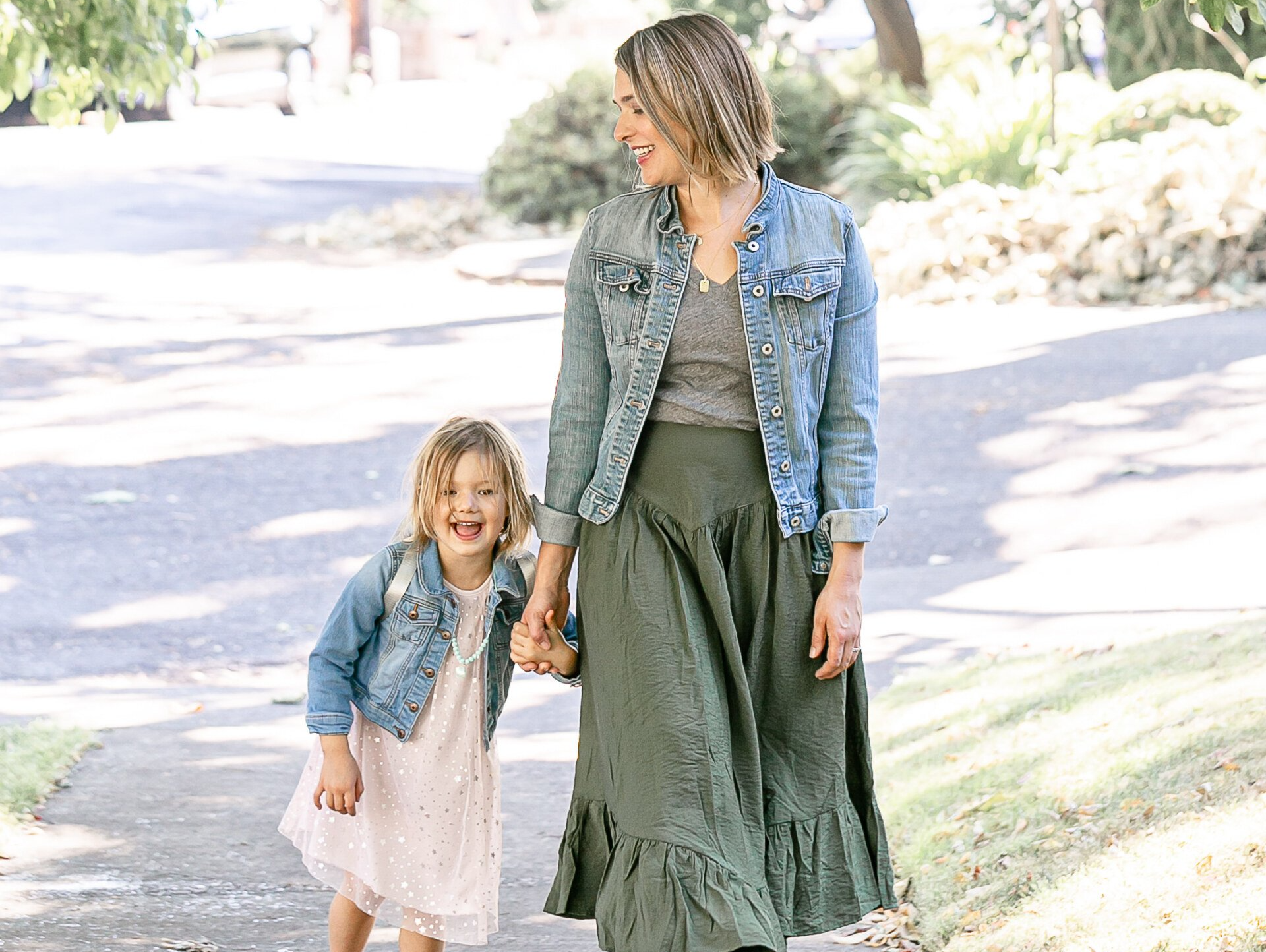
There is a sweet mom who comes to see me every few months at my pediatrics' office with her two young kids. Every time I walk into the room, she asks me about what I'm wearing. "You always look so stylish and put together," she tells me. I'm literally laughing my socks off on the inside as she compliments my personal style because there have been so many times I have NOT looked put together, especially in my early parenting days. I was the absolute queen of yoga pants, a shirt with dried breastmilk or pureed pumpkin, and a messy bun when my babies were little. Patients' families would see me at the grocery store on a Saturday during my maternity leaves and hardly recognize me. 


"Dr. Casares?" they would ask, quizzical. 


"Yep, it's me," I'd respond grinning, still messy from a full night of nursing and diaper changes.


And that's how it should be. If you're in the very first months of mothering, just putting your pants on can be a challenging feat, much less trying to color coordinate a blazer and low-heeled booties. When you're a new mom, you and your baby muddling through is the most important task you have on your list. So what if the house is not perfectly clean and you're rockin' sweat pants every day? Appearances should matter least when you're learning how to keep a small human alive and yourself mentally well in the postpartum period.


When it came time to head back to work, though, I knew finding a low-stress way to present myself positively to the world would matter -- not because I needed to dress to the nines or to have perfectly-coiffed hair to be accepted or loved --but because, the truth is, when we "dress the way we want to be addressed" like brand image strategist Toi Sweeney says, we can more confidently face the world (or even just the day). 


What Really Matters 


I work hard at the things that matter in life and I know you do, too. Compared with building resilience in our kids and finding joy as we parent, looking good while we're doing it barely matters. No matter how unimportant appearances are, though, it turns out they are a necessary evil. I have to wear clothes every day. I have to look professional at my job. Plus, I like to express myself with personal style, both in my home and as I show up socially and professionally. The problem is, particularly when we work, taking care of the way we look can feel like another stressful item on our to-do list. It doesn't have to be, though.


Here's how to simplify your shopping
& your outfit selections throughout the week:


Pick a Color Palette


For years, I organized my closet in a haphazard way. Over time, I spent gobs of money on items that didn't fit with the rest of my wardrobe. Now I have my clothing arranged by color. Here's my secret: I don't include every color of the rainbow. As you might imagine, my personal style reflects the Modern Mommy Doc website style and I dress accordingly, not because I have to but because those colors fit my personality and preferences. Narrowing my color palate also makes it easier for me to get dressed in the morning and makes my shopping more relaxed. I never feel like I have nothing to wear. I can easily mix and match and see where the holes are in my wardrobe.


Here's how I did it:


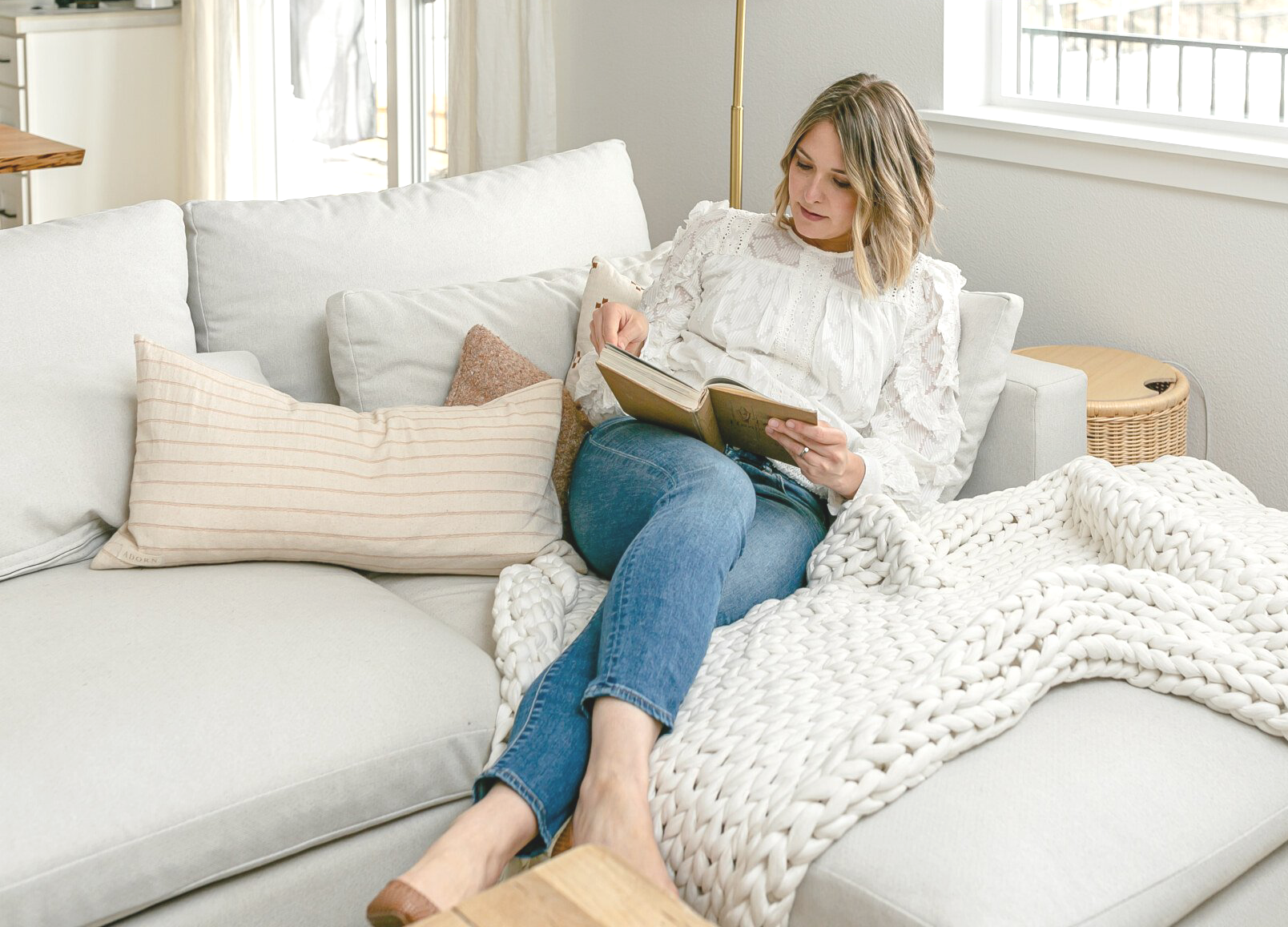
First, I picked four base colors white, black, gray, and navy (yours may be different). I made sure I had the basics -- skirts, pants, camis, leggings, and at least a few tops -- in all of these colors. Turns out I have been hoarding black items for years without even realizing my strong affinity for them so I am overflowing in dresses, rompers, shorts, YOU NAME IT, in that color. In fact, when I first organized all my items according to color palate, I quickly realized I probably never needed to buy another black item again (or at least for the foreseeable future). I have three additional signature colors: pink, light blue (including jean) and olive green. These I use to layer and add pops of color throughout the week. I look best in slightly deeper shades but that doesn't stop me from incorporating lighter pink or green for layering underneath shades that work better with my skin tone and hair color.Within each color category, I have some clothes with prints or different textures, including sweaters for fall and airy, fine-print floral dresses.


This keeps my outfits looking like they came from a capsule closet versus a uniform store. When I shop, I usually seek out pieces within my base or signature color categories that add interest or fit the current trend of the season. There is a separate area in my closet where I keep clothes in colors that complement my base and signature colors, like light yellow and brown, plus any other pieces I love but that just don't quite fit with everything else. Once organized my clothes by color palette, though, it dawned on me that some of those straggler clothes were what kept distracting me each time I looked in my closet and were what kept me from appreciating the rest of what I already had in my wardrobe. After arranging my clothes by color and seeing that I already had natural preferences the majority of my clothes fit into, it was so much easier to dress in a way that made me look put-together and polished.


Pick One Main Style and Three Main Retailers 


I'm all for staying off social media as much as possible but I do find making visual boards of personal style extremely useful once in a while. This is not a free invitation to shop online hour after hour or day after day in wistful fashion lust, neglecting your kids and the rest of your responsibilities in the process. This IS an invitation to let yourself browse through Pinterest, seeing what others have curated from the web, saving whatever clothing items catch your eye, even if they are designer pieces that you'd never wear or could never afford. Concentrate on what you like, not on what fits with your current look or your current life, even. Then, look collectively at what you've curated for yourself. That's your style, my dear. Mine is modern romantic, with clean lines paired with more feminine touches.


Once you have your personal style identified, take notice of the stores out there that fit your style, or parts of it. I have three main retailers where I shop online and in-person (though mostly online at this point): Nordstrom, Anthropologie, and a local retailer called Adorn. Nordstrom carries all the basics I need, including shoes, and has a killer Anniversary Sale. Anthropologie carries all the layering pieces or funky items I like to mix in to individualize my style. Adorn has a few more unique pieces and also has an amazing summer and winter sale program.


By honing in on just a few stores that carried several brands that fit me well, with lines that worked with my body type, and whose sizes I knew like the back of my hand, it was easier to shop online at all of these retailers, making my shopping even more streamlined.


 By narrowing my shopping to three main retailers, I could also more easily shop their sales, earn rewards, and maintain a more cohesive look. Like my mama, I look for deep discounts so I can buy quality items that will last without breaking the bank. I still browse on vacation in boutique shops for specialty items, and I definitely buy basics like socks or trendy items that may not last even a full season at cheaper shops. The majority of the time, though, sticking with three retailers allows me to spend less in a shorter amount of time on quality items that will last me for years. What modern mama doesn't want that? 


Save Your Money 


One huge benefit I found when I started color-coding my closet and simplifying my palette was that I started spending significantly less on repeat items I already owned. All that saving freed up significantly more dough for fun accessories and shoes when my budget allowed. Even more importantly, it freed up money for saving toward my long-term life goals and for spending quality time with my kids and my partner.


Cross Personal Style Off Your To-Do List


As we work to win at parenting without losing ourselves, getting more efficient about our shopping and dressing is one of those tasks that can either be full of fun or full of stress, but creating a put-together look doesn't have to be so complicated. Are there more exciting ways to style yourself? Yes, I'm sure. Do most modern moms I know have time for more as they juggle the rest of their priorities? No way. Follow a few simple guidelines: simplify your color palette, stick with brands and retailers that fit well and save you money, and organize your closet for maximum efficiency so you can get on with the rest of your (way more important) life. 
Raising Body-Confident Kids Starts at the Doctor's Office!

START NOW
By Dr. Whitney December 17, 2025
About the Episode: In this episode, Dr. Whitney sits down with Dr. Jay Gargus and Dave Justus from NeuroQure to discuss the power of early clarity when it comes to autism detection and why earlier intervention can fundamentally change outcomes for childre n and families. Dr. Gargus explains the science behind early behavioral therapies and why their impact goes far beyond short-term skill-building. Research shows that early, evidence-based interventions can lead to measurable, lifelong improvements in IQ, so cial skills, independence, and educational placement, often determining whether a child can thrive in mainstream education or requires ongoing specialized support. The conversation also tackles a critical and often overlooked issue: access. Dave Justus shares the personal motivation behind NeuroQure’s work and explains why the test is being launched at cost, with installment plans and employer subsidies, while the team works toward insurance coverage. The goal is to prevent families from losing precious years waiting for answers. Together, they emphasize a hopeful message for parents: families don’t need to wait for a future “silver bullet.” We already have therapies that work and getting kids connected to them earlier can change the course of a lifetime. In this episode, we discuss: Why early autism detection leads to lifelong changes—not just short-term gains What a 17-point IQ difference actually means for education, independence, and quality of life How early intervention can shift developmental trajectories as early as 6 months The science and validation behind current autism therapies Why NeuroQure is pricing testing at cost while pursuing insurance coverage How early clarity can reduce long-term strain on families, schools, and healthcare systems This episode is a powerful reminder that timing matters and that early access to answers can make an extraordinary difference for children and the families who love them. About Our Guest: Dr. Jay Gargus, MD, PhD is a physician-scientist and nationally recognized expert in neurodevelopmental disorders, with decades of experience researching the biological underpinnings of autism. His work has focused on translating well-established science into meaningful, real-world interventions that can improve lifelong outcomes for children. Dr. Gargus emphasizes that early, evidence-based therapies are already available—and that connecting families to them sooner can fundamentally change developmental trajectories. Dave Justus is a parent and the founder of NeuroQure, whose work is driven by personal experience navigating delayed autism diagnosis and intervention. Motivated by the belief that early clarity can spare families years of uncertainty, Dave is focused on expanding access to early testing through cost-based pricing and ongoing efforts to secure insurance coverage. His mission is simple but powerful: ensure families don’t have to wait for answers that could change everything. Want to Start Raising Body-Confident Kids Today? 📘 Order the Book Order your copy of My One-of-a-Kind Body 👉 www.raisingbodyconfidentkids.com/books 🎁 Claim Your Free Bonus When you order on our site, you’ll also get access to a FREE video mini-course with five bite-sized lessons for parents. In just 25 minutes, you’ll walk away with: Simple, script-style ways to respond when your kid says, “I hate my thighs” How to talk about health without weight talk What to do when your own inner critic shows up How to interrupt diet culture at home The first step to raising a body-confident kid, even if you didn’t grow up as one 📩 Subscribe to The Modern Mommy Doc Podcast for more episodes on parenting with confidence and clarity. Leave a review using the hashtag #ModernMommyDoc.
By Dr. Whitney November 13, 2025
Stop being so busy, and start being more present.
By Dr. Whitney November 5, 2025
Starting out right with solids doesn't have to be so scary.
By Dr. Whitney October 29, 2025
What if YOU are the one who needs to calm down first?

Welcome! Get the information you need to win at parenting without losing yourself.

LEARN MORE

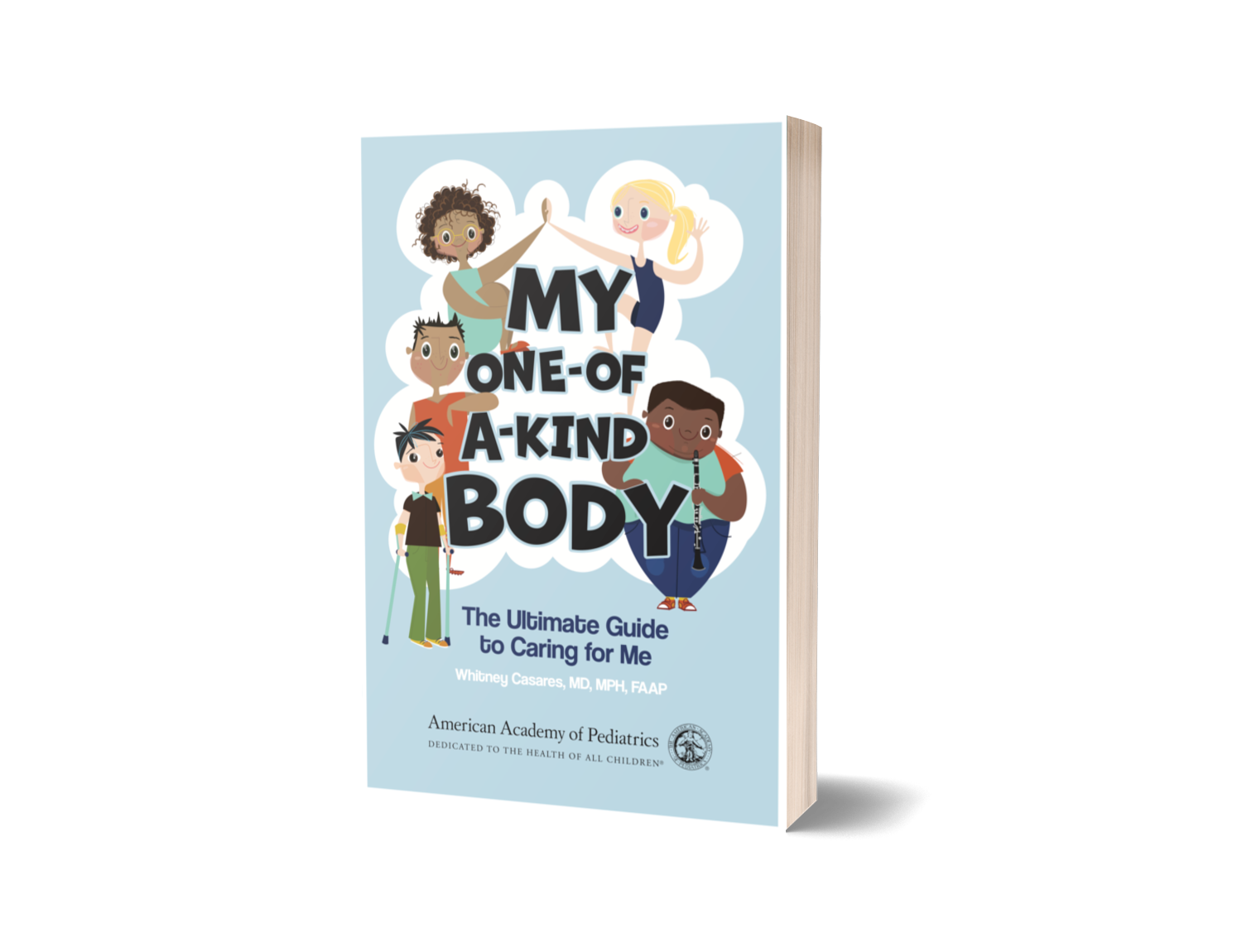
My Kids' Book on Body Confidence is Finally Here!


Wish your partner would do more to lessen your mental load?


Want to make self-care a priority but not sure how to?


SIGN UP FOR SUSTAINABLE SELF-CARE. IT'S FREE. CLICK HERE


FRESH

ON THE PODCAST


By Dr. Whitney December 17, 2025
About the Episode: In this episode, Dr. Whitney sits down with Dr. Jay Gargus and Dave Justus from NeuroQure to discuss the power of early clarity when it comes to autism detection and why earlier intervention can fundamentally change outcomes for childre n and families. Dr. Gargus explains the science behind early behavioral therapies and why their impact goes far beyond short-term skill-building. Research shows that early, evidence-based interventions can lead to measurable, lifelong improvements in IQ, so cial skills, independence, and educational placement, often determining whether a child can thrive in mainstream education or requires ongoing specialized support. The conversation also tackles a critical and often overlooked issue: access. Dave Justus shares the personal motivation behind NeuroQure’s work and explains why the test is being launched at cost, with installment plans and employer subsidies, while the team works toward insurance coverage. The goal is to prevent families from losing precious years waiting for answers. Together, they emphasize a hopeful message for parents: families don’t need to wait for a future “silver bullet.” We already have therapies that work and getting kids connected to them earlier can change the course of a lifetime. In this episode, we discuss: Why early autism detection leads to lifelong changes—not just short-term gains What a 17-point IQ difference actually means for education, independence, and quality of life How early intervention can shift developmental trajectories as early as 6 months The science and validation behind current autism therapies Why NeuroQure is pricing testing at cost while pursuing insurance coverage How early clarity can reduce long-term strain on families, schools, and healthcare systems This episode is a powerful reminder that timing matters and that early access to answers can make an extraordinary difference for children and the families who love them. About Our Guest: Dr. Jay Gargus, MD, PhD is a physician-scientist and nationally recognized expert in neurodevelopmental disorders, with decades of experience researching the biological underpinnings of autism. His work has focused on translating well-established science into meaningful, real-world interventions that can improve lifelong outcomes for children. Dr. Gargus emphasizes that early, evidence-based therapies are already available—and that connecting families to them sooner can fundamentally change developmental trajectories. Dave Justus is a parent and the founder of NeuroQure, whose work is driven by personal experience navigating delayed autism diagnosis and intervention. Motivated by the belief that early clarity can spare families years of uncertainty, Dave is focused on expanding access to early testing through cost-based pricing and ongoing efforts to secure insurance coverage. His mission is simple but powerful: ensure families don’t have to wait for answers that could change everything. Want to Start Raising Body-Confident Kids Today? 📘 Order the Book Order your copy of My One-of-a-Kind Body 👉 www.raisingbodyconfidentkids.com/books 🎁 Claim Your Free Bonus When you order on our site, you’ll also get access to a FREE video mini-course with five bite-sized lessons for parents. In just 25 minutes, you’ll walk away with: Simple, script-style ways to respond when your kid says, “I hate my thighs” How to talk about health without weight talk What to do when your own inner critic shows up How to interrupt diet culture at home The first step to raising a body-confident kid, even if you didn’t grow up as one 📩 Subscribe to The Modern Mommy Doc Podcast for more episodes on parenting with confidence and clarity. Leave a review using the hashtag #ModernMommyDoc.
By Dr. Whitney November 13, 2025
Stop being so busy, and start being more present.