MMD BLOG


CATEGORY:

MOTHERHOOD + JOY

JUST SAY NO (TO ALL THE THINGS CLUTTERING UP YOUR LIFE)

 Modern Mommy Doc


PUBLICATION DATE:

March 15, 2021

JUST SAY NO (TO ALL THE THINGS CLUTTERING UP YOUR LIFE)

 Modern Mommy Doc

CATEGORY: MOTHERHOOD + JOY

Remember your childhood summers? When I think back on those lazy, sun-drenched days of summer camp, I recall kickball in the park for hours, swimming in the lake, overnight camping in the woods — it was all so easy. Now that I’m a mom with my own elementary-school kid, though, scheduling summer camps seems ANYTHING but easy.


Last year, I filled a full notebook page with options, dates, and costs for swim lessons, week-long adventure camps, and after-care experiences. Charting all this took me two hours. By the end of it, my heart was beating a little faster, and my blood pressure was rising. I showed the final product to my daughter who simply laughed out loud. “Mommy,” she said, “I don’t even want to do all of that. I want to enjoy my summer.”


That’s when it clicked. (And far more naturally than the Tetris-like configuration I’d crafted as I fit work, vacation, and extracurricular schedules into eight-hour blocks of time.) There was no joy or anticipation in this exercise. There was no balance in that plan. This was an exercise in “making it work” that, in the end, didn’t work for anyone, least of all my daughters. We crossed off 30 percent of the scheduled activities right then and there, opting for less work for me and more enjoyment for everyone.


CUE THE CONTAMINATORS


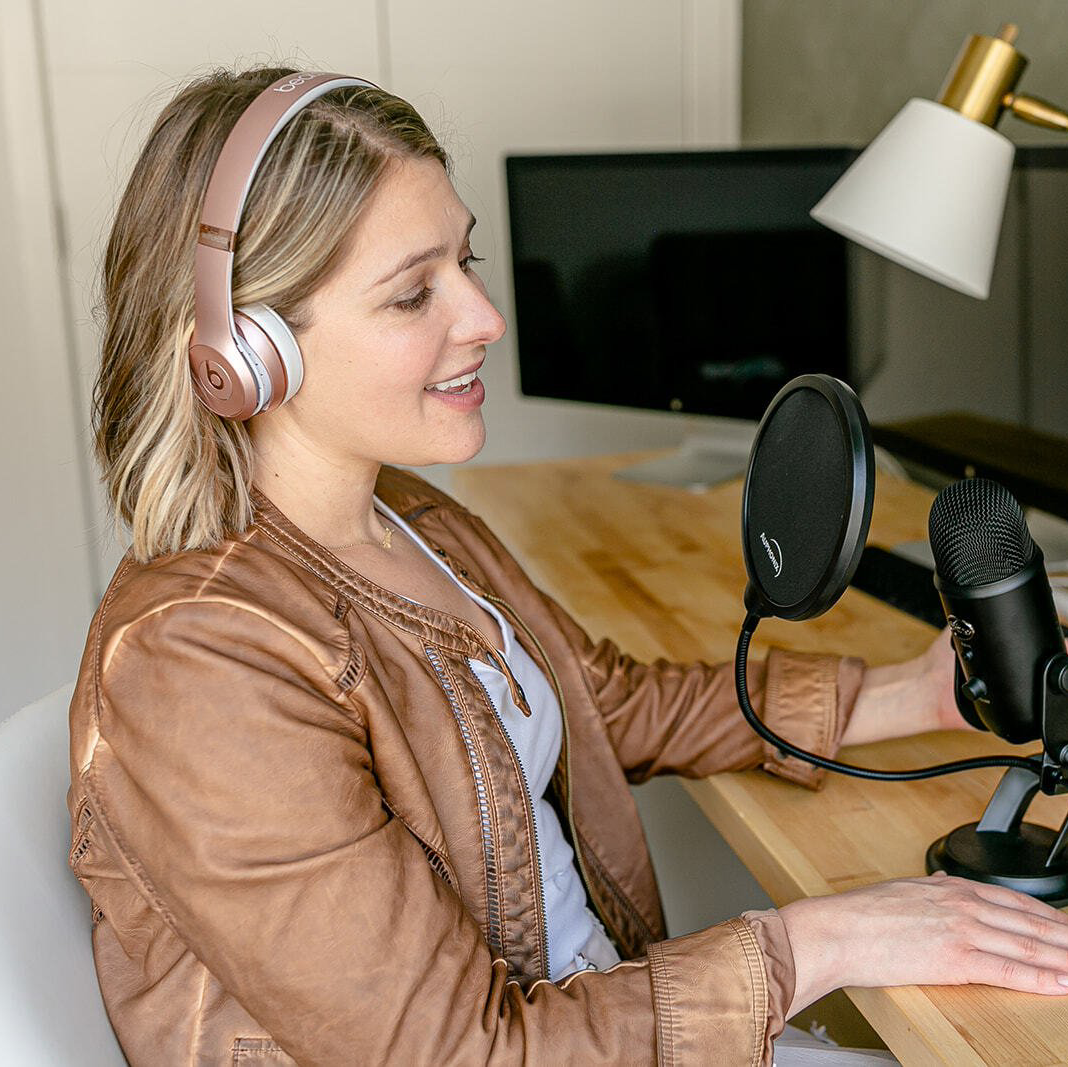
This experience clarifies what I mean when I talk about contaminators in our lives. (I dive deeper on this in my podcast, “Outside the Circle”!) Basically, any tasks that clutter up your schedule but don’t really have to be your responsibility fall into this category. It might be joining a parent-teacher organization. It might be heading up a committee at work. It’s the kind of thing that eats up your time and your family’s time and brings you very little joy.


When it comes to finding balance and fulfillment in motherhood, in other words, contaminators are about as helpful as a case of the stomach flu. And while it may be hard, the best way to kick these joy-suckers out of your life is by saying one small-but-mighty word. 


“NO” IS NECESSARY


That’s right, Mama. That word is  no. There’s a ton of research and personal experience out there detailing how hard it is for people (especially women, and even more especially women of color) to say this simple, two-letter word. But most of it boils down to guilt and fear.


Maybe you feel like you’re rejecting someone. Maybe you’re worried that it will make you look bad at work. But when you say yes to contaminators, the relief is short-lived. You feel good in the moment (yay! You made someone happy!) but then you pay for it in misery and regret down the road.


My pediatrics practice, for example, holds an annual holiday party and wanted a physician to join the social committee to make sure someone from the executive team could offer input for the event. I said yes because I thought it was important to ensure that the culture of our practice came through at special gatherings for staff. But I soon found myself spending lunch hours discussing jelly-bean-counting contests and possible tokens of appreciation. As my free time dwindled and my to-do list grew, I found myself feeling resentful.


I had a choice. And Mama, we all do at the end of the day. I could soldier on and tell myself that sitting in on monthly meetings was actually helping someone. Or I could pull back, evaluate, and change. I opted for the latter, dropping my monthly involvement and instead committing to attending two sessions in the fall that were devoted to holiday-party planning.


And that’s the takeaway, Mama. When you say no to contaminators, you say YES to more things that bring you joy and fulfillment.
NO WAY, NO CAN DO…KNOW HOW TO SAY NO?


Learning how to say no is the subject of countless online articles, seminars, and retreats. But it starts with tuning in to your body. Your gut will often tell you when a commitment is worthwhile or not. You know that tightening in the back of your throat? That panic-driven nausea? That’s you talking to you. Listen in!


It can help to create a physical environment and schedule that allows space for reflection, evaluation, and mindfulness. I mean, in an ideal world, we’d all have a private room where we’d spend a few minutes every morning and evening contemplating life.


But even if that’s outside your scope of possibility, taking a few quiet moments to mull over opportunities and requests IS possible. Other ways to navigate the minefield of potential contaminators includes:


Schedule a monthly audit of your life:

This isn’t as scary as it sounds. Just pencil in a half-hour every month when you review your regular commitments and see if any of them can go.


Don’t decide at once:

If someone asks you to do something you’re not sure about, just say you’ll think about it. Getting some space can help you figure out if a commitment is right to take on.


When you have to say no, say it directly:

Over-explanation and apologies create more opportunities for the other person to finagle a yes out of you. Just keep it simple with a variation of, “I’m sorry, but I can’t commit to that right now.”


Compromise:

If you can’t outright decline (read: work), then offer a compromise along the lines of, “Sure, I can do that, but I’ll need more time or I’ll need to take this other thing off my plate.”


It takes practice, but it ultimately helps you be more mindfully selective about where you spend your time. And, at the end of the day, is there anything more valuable than these hours that add up to your life?


Raising Body-Confident Kids Starts at the Doctor's Office!

START NOW
By Modern Mommy Doc • October 9, 2026
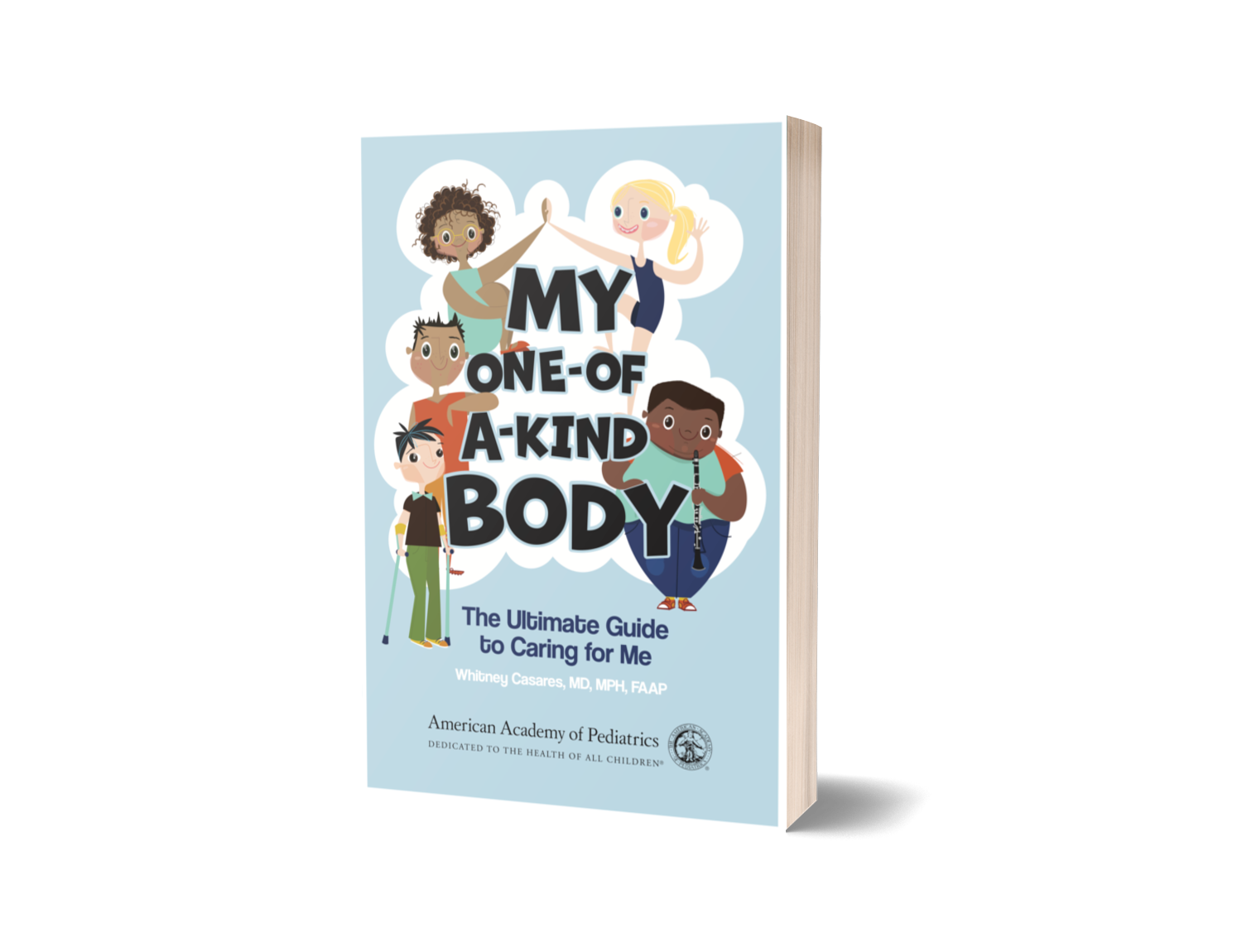
About the Episode: There’s so much parenting advice out there, and most of it doesn’t matter nearly as much as the internet wants you to think. (Seed oils? We have bigger fish to fry.) In this solo episode, Dr. Whitney gets back to basics and shares the six evidence-based parenting principles she focuses on as a pediatrician, the ones she dug into with a leading child development researcher. She also shares how these play out in real life as a mom of two neurodivergent kids, because guidance only helps if it actually fits your family. Key takeaways: Be sensitive and responsive. Simple practices like mirroring your child’s emotions and “serve and return” interactions build a loving, trusting foundation. Dr. Whitney shares how a Halloween decorating session turned into a deep conversation about religion once she slowed down and got curious. Meet kids where they are, especially at their worst. Drawing on Tina Payne Bryson, co-author of The Whole-Brain Child , Dr. Whitney explains that soothing a meltdown isn’t giving in. It’s letting your child know they’re not alone in a big feeling. Model self-regulation, and repair when you lose it. Self-regulation predicts academic success better than IQ. The goal isn’t staying calm all the time, it’s understanding why you got dysregulated, coming back to baseline, and offering yourself some self-compassion. Set limits for your kids and yourself. Every child’s needs are different (screen time affects Dr. Whitney’s two daughters very differently), but all kids need limits, and so do parents. Taking time for yourself models something healthy. Aim for authoritative, not permissive. High expectations paired with warmth and grace is the sweet spot. “Gentle parenting” can blur into permissiveness, which research shows is as harmful as authoritarian parenting. Protect unstructured time. Kids need boredom and free play to become self-directed. For ADHD and autistic kids, Dr. Whitney recommends offering a few options and letting kids choose. Support internal motivation. Using a “mirrors facing outward” image from her own therapist, Dr. Whitney explains why we want kids to trust their own instincts rather than constantly look outward for approval. Want to Start Raising Body-Confident Kids Today? 📘 Order the Books Raising Body-Confident Kids If you've ever caught yourself saying something to your kid about their body that sounded exactly like what your mother said to you, this book is for you. Raising Body-Confident Kids is a research-backed, judgment-free guide for parents who want to break the cycle of diet culture and body shame without swinging into toxic positivity or giving up all structure around food and movement. It answers the real questions parents are actually asking about Ozempic, about picky eaters, about what to say when your kid is being bullied for their body, and about social media influences. This is a practical, values-based game plan you can actually use, even if your own relationship with your body is still a work in progress. My One-of-a-Kind Body My One-of-a-Kind Body gives kids the language and understanding they need to care for their bodies with respect without fear, shame, or appearance-based messaging. Through inclusive illustrations and evidence-based health education, the book teaches body literacy, boundaries, and self-trust in a way kids can actually grasp. 👉 www.raisingbodyconfidentkids.com/books
By Modern Mommy Doc • October 5, 2026
What really matters when it comes to college admissions (for you and for them).
By Modern Mommy Doc • September 17, 2026
Kids going off to college are mean for a reason.
By Modern Mommy Doc • September 10, 2026
Maybe winning back to school isn't what we really want, after all.
By Modern Mommy Doc • August 27, 2026
First-class service has a lot to do with first-class parenting.

Welcome! Get the information you need to win at parenting without losing yourself.

LEARN MORE

My Kids' Book on Body Confidence


Trying to break the cycle of body shame and diet culture?


Overwhelmed by all the parenting advice out there?


SIGN UP FOR THE FREE STARTER KIT: UNBOTHERED. IT'S FREE. CLICK HERE


FRESH

ON THE PODCAST


By Modern Mommy Doc • October 9, 2026
About the Episode: There’s so much parenting advice out there, and most of it doesn’t matter nearly as much as the internet wants you to think. (Seed oils? We have bigger fish to fry.) In this solo episode, Dr. Whitney gets back to basics and shares the six evidence-based parenting principles she focuses on as a pediatrician, the ones she dug into with a leading child development researcher. She also shares how these play out in real life as a mom of two neurodivergent kids, because guidance only helps if it actually fits your family. Key takeaways: Be sensitive and responsive. Simple practices like mirroring your child’s emotions and “serve and return” interactions build a loving, trusting foundation. Dr. Whitney shares how a Halloween decorating session turned into a deep conversation about religion once she slowed down and got curious. Meet kids where they are, especially at their worst. Drawing on Tina Payne Bryson, co-author of The Whole-Brain Child , Dr. Whitney explains that soothing a meltdown isn’t giving in. It’s letting your child know they’re not alone in a big feeling. Model self-regulation, and repair when you lose it. Self-regulation predicts academic success better than IQ. The goal isn’t staying calm all the time, it’s understanding why you got dysregulated, coming back to baseline, and offering yourself some self-compassion. Set limits for your kids and yourself. Every child’s needs are different (screen time affects Dr. Whitney’s two daughters very differently), but all kids need limits, and so do parents. Taking time for yourself models something healthy. Aim for authoritative, not permissive. High expectations paired with warmth and grace is the sweet spot. “Gentle parenting” can blur into permissiveness, which research shows is as harmful as authoritarian parenting. Protect unstructured time. Kids need boredom and free play to become self-directed. For ADHD and autistic kids, Dr. Whitney recommends offering a few options and letting kids choose. Support internal motivation. Using a “mirrors facing outward” image from her own therapist, Dr. Whitney explains why we want kids to trust their own instincts rather than constantly look outward for approval. Want to Start Raising Body-Confident Kids Today? 📘 Order the Books Raising Body-Confident Kids If you've ever caught yourself saying something to your kid about their body that sounded exactly like what your mother said to you, this book is for you. Raising Body-Confident Kids is a research-backed, judgment-free guide for parents who want to break the cycle of diet culture and body shame without swinging into toxic positivity or giving up all structure around food and movement. It answers the real questions parents are actually asking about Ozempic, about picky eaters, about what to say when your kid is being bullied for their body, and about social media influences. This is a practical, values-based game plan you can actually use, even if your own relationship with your body is still a work in progress. My One-of-a-Kind Body My One-of-a-Kind Body gives kids the language and understanding they need to care for their bodies with respect without fear, shame, or appearance-based messaging. Through inclusive illustrations and evidence-based health education, the book teaches body literacy, boundaries, and self-trust in a way kids can actually grasp. 👉 www.raisingbodyconfidentkids.com/books
By Modern Mommy Doc • October 5, 2026
What really matters when it comes to college admissions (for you and for them).
By Modern Mommy Doc • September 17, 2026
Kids going off to college are mean for a reason.