MMD BLOG


CATEGORY:

KIDS + PARENTING

HOW TO RAISE A SMART AND HAPPY CHILD WITH DR. JOHN MEDINA

 Modern Mommy Doc


PUBLICATION DATE:

March 9, 2020

HOW TO RAISE A SMART AND HAPPY CHILD WITH DR. JOHN MEDINA

 Modern Mommy Doc

CATEGORY: KIDS + PARENTING

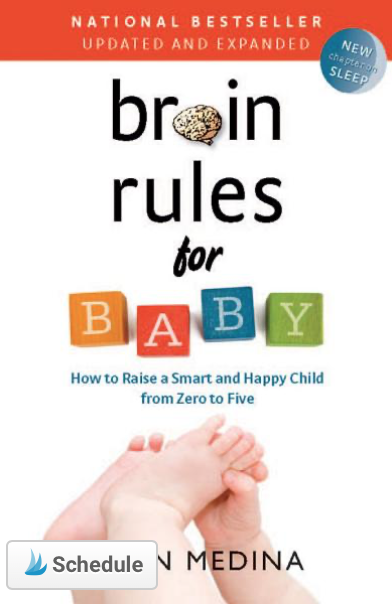
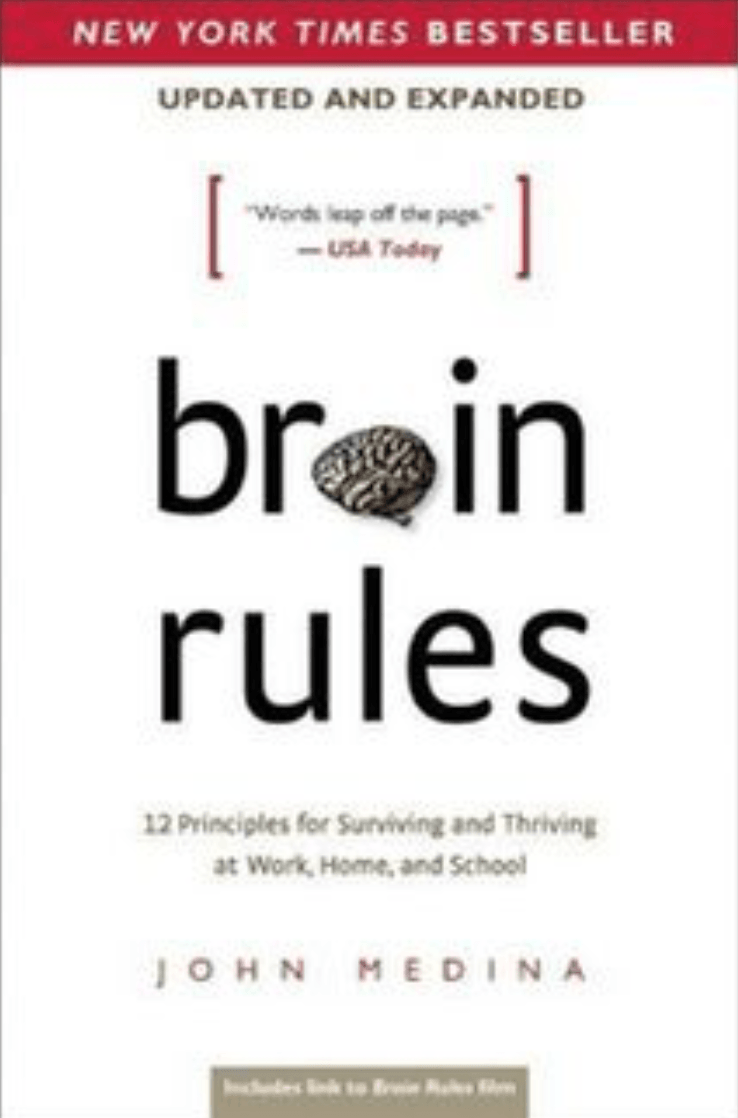
Dr. John Medina, author of Brain Rules for Baby , joins us this week on the podcast to talk about what truly makes a baby smart and how to capitalize on a baby’s natural intelligence. His advice, based on neurologic and developmental research, may surprise you.


IN THE EPISODE:


Hey Mama! It's Dr. Whitney. As I look back on my parenthood journey and think about the times I’ve felt the most overwhelmed or lost, they all share one common theme: in all of them, I felt directionless or like I was moving in the wrong direction. So, I started getting really intentional about figuring out what I needed to focus on daily to help me move toward what I actually wanted for me and for my kids months and years down the line. 


After some time, I realized I had something I could come back to when I felt rudderless but ALSO that I felt lost less often. So, I started writing down for the Modern Mommy Doc community more about 6 core areas of focus: dreaming big, spending time on what matters, making space for ourselves, investing in our physical and mental health, parenting in partnership, and the way we parent our kids. That’s how the Parenting with Intention Journal came to be…because, as I shared what I learned about intentional parenting with other moms in my clinic or online, it resonated with them. In it, we walk through how to how to make parenting with intention a daily practice.


We designed the Parenting with Intention Journal to be beautiful. It’s a vegan leather hardback with foil-pressed matte gold on the cover. It includes 16 pages of instructional material with 192 pages of ivory lined paper so you can document every day how you’re going to set your intentions for motherhood and for your life. You can find it here.
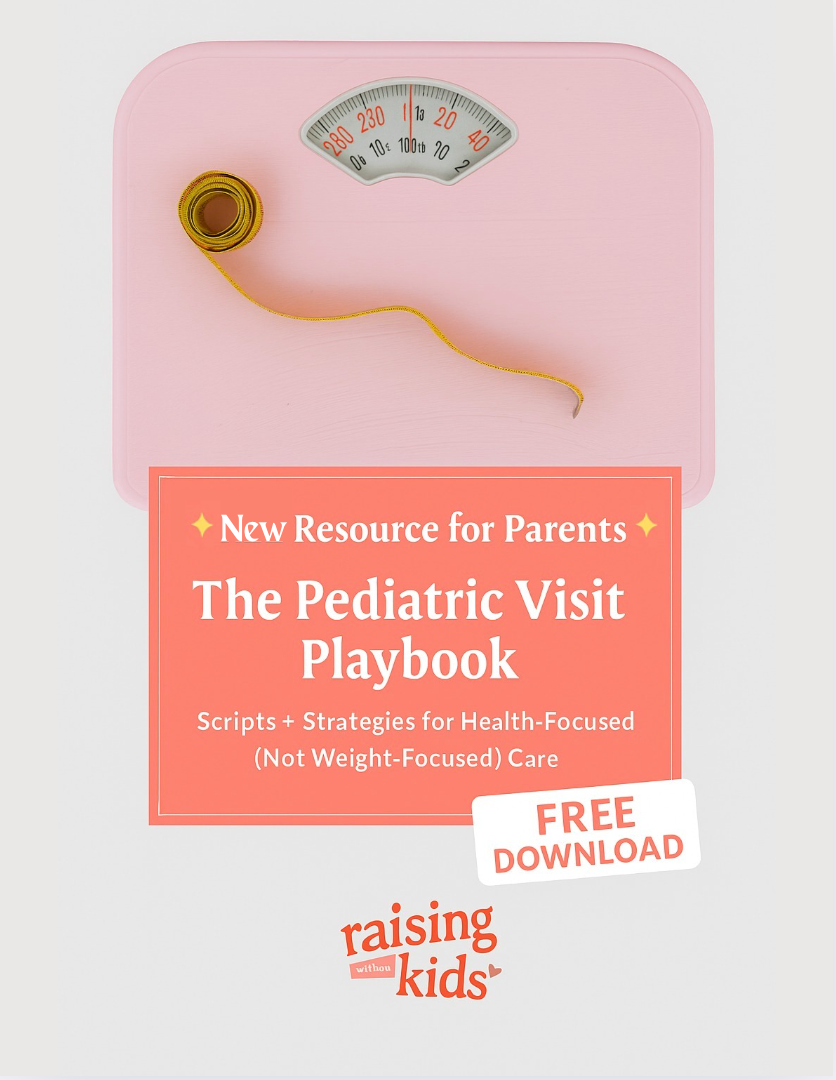


Raising Body-Confident Kids Starts at the Doctor's Office!

START NOW
By Dr. Whitney April 2, 2026
Getting on the same page makes a world of difference.
By Dr. Whitney March 12, 2026
Home organization doesn’t have to be perfect to work, especially for busy families and ADHD households. In this episode of The Modern Mommy Doc Podcast, pediatrician Dr. Whitney Casares talks with professional organizer MaryJo Monroe about realistic organizing systems, ADHD-friendly routines, decluttering kids’ spaces
By Dr. Whitney February 26, 2026
Parenting kids with ADHD, dyslexia, or other learning differences can feel confusing — especially when traditional school systems don’t fit your child’s needs. In this episode of The Modern Mommy Doc Podcast, pediatrician Dr. Whitney Casares explores neurodiversity, late diagnoses, identity, and how to support kids who
By Dr. Whitney February 12, 2026
Why is being a "good daughter" so tough?
By Dr. Whitney January 29, 2026
Raising kids well starts with understanding regulation.

Welcome! Get the information you need to win at parenting without losing yourself.

LEARN MORE

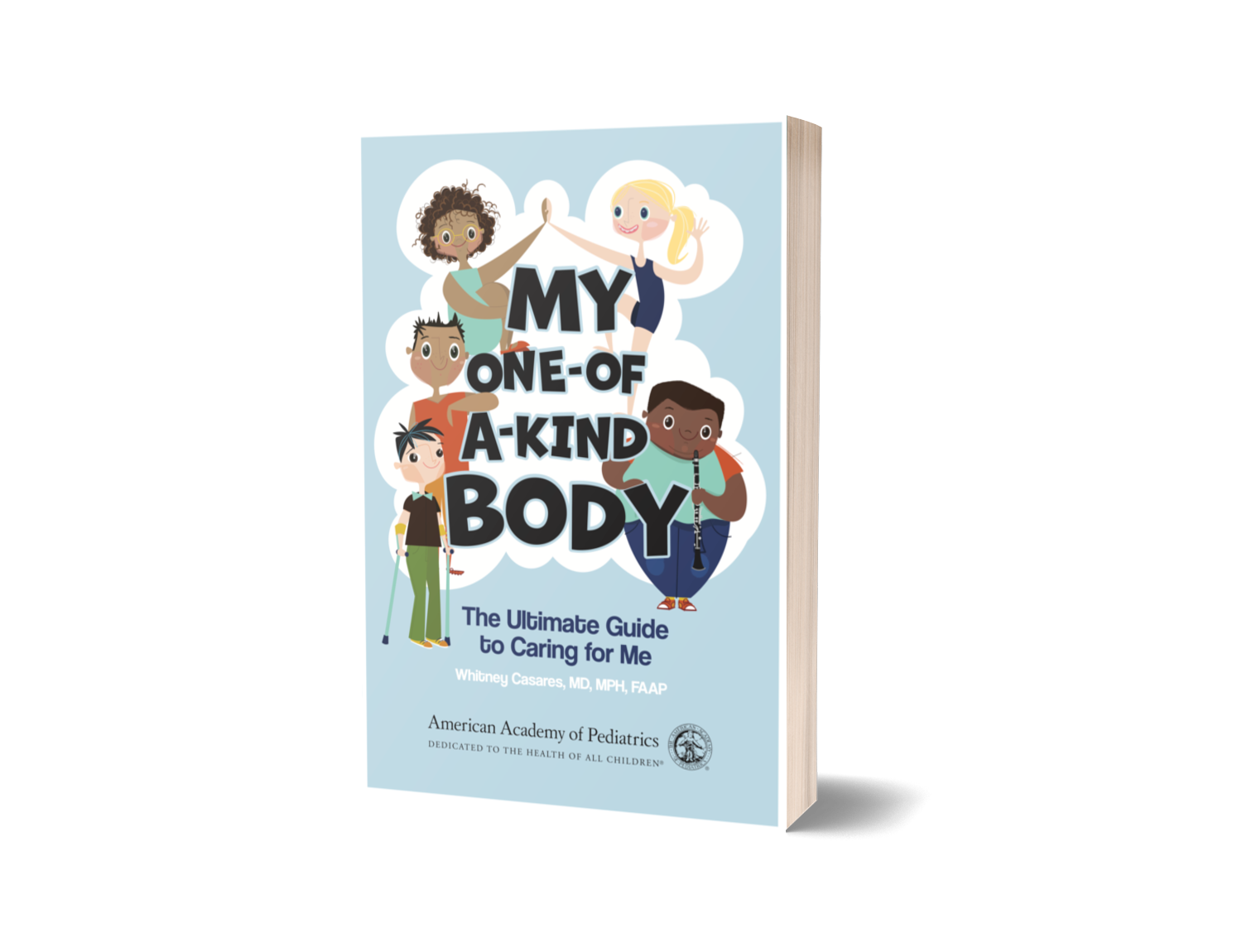
My Kids' Book on Body Confidence is Finally Here!


Wish your partner would do more to lessen your mental load?


Want to make self-care a priority but not sure how to?


SIGN UP FOR SUSTAINABLE SELF-CARE. IT'S FREE. CLICK HERE


FRESH

ON THE PODCAST


By Dr. Whitney April 2, 2026
Getting on the same page makes a world of difference.
By Dr. Whitney March 12, 2026
Home organization doesn’t have to be perfect to work, especially for busy families and ADHD households. In this episode of The Modern Mommy Doc Podcast, pediatrician Dr. Whitney Casares talks with professional organizer MaryJo Monroe about realistic organizing systems, ADHD-friendly routines, decluttering kids’ spaces
By Dr. Whitney February 26, 2026
Parenting kids with ADHD, dyslexia, or other learning differences can feel confusing — especially when traditional school systems don’t fit your child’s needs. In this episode of The Modern Mommy Doc Podcast, pediatrician Dr. Whitney Casares explores neurodiversity, late diagnoses, identity, and how to support kids who